When Gratitude Turns Toxic: The Dark Side of Thankfulness
December 1, 2025 - 11:08
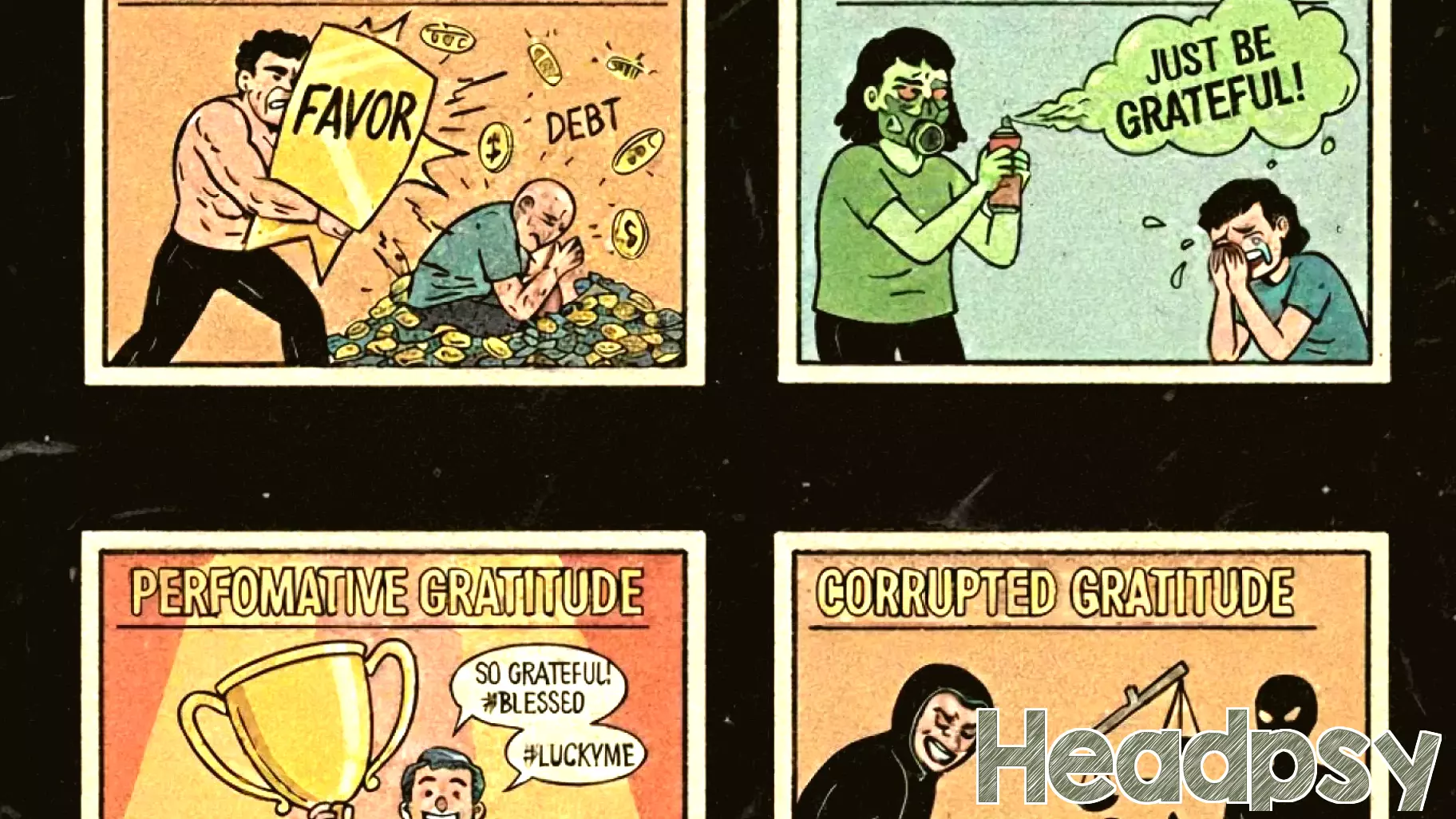
Gratitude is often celebrated as a virtuous trait, essential for fostering positive relationships and enhancing personal well-being. However, the concept of thankfulness can take a troubling turn when it becomes performative or coercive. In such cases, gratitude may evolve into a vice rather than a virtue.
When individuals express gratitude solely for social approval or to avoid conflict, the authenticity of their feelings is compromised. This performative aspect can lead to a culture where people feel pressured to display thankfulness, even when they may not genuinely feel it. Such dynamics can create a toxic environment, where individuals are manipulated into expressing gratitude as a means of control.
Moreover, the expectation of gratitude can corrupt relationships, making them transactional rather than genuine. When gratitude is wielded as a tool for manipulation, it undermines the very essence of the emotion, transforming it into a source of obligation rather than a heartfelt expression. Recognizing the potential pitfalls of gratitude is essential for maintaining its integrity and ensuring it remains a positive force in our lives.
MORE NEWS

October 14, 2026 - 00:33
Sudden Wealth Reshapes Marriage Prospects Differently for Men and WomenSudden wealth can change romantic relationships in surprisingly different ways, according to new research. The findings suggest that a large financial windfall affects men and women in opposite...
October 13, 2026 - 16:21
The Key Quality That Sets Highly Successful People ApartSuccess often gets framed as a matter of talent, luck, or relentless drive. A psychologist suggests the real differentiator is something quieter and more deliberate: the ability to take smart risks...

October 12, 2026 - 22:08
Why We Sabotage Ourselves Right Before SuccessPsychologist Dr. JJ Kelly, known as `The Punk Rock Doc,` has a clear explanation for a pattern many people recognize but few understand. You are close to a promotion, a relationship milestone, or a...
October 12, 2026 - 03:16
Behavioral Methods Show Real Results for Neurodivergent ChildrenA common belief suggests that behavioral approaches are ineffective for neurodivergent children. Many parents hear this claim repeated so often that it starts to feel like an established fact. The...