AI and the Slope of Cognition
May 27, 2026 - 00:34

A growing number of researchers suggest that artificial intelligence is not just a tool for faster calculations or better search results. It may be quietly altering the very shape of human cognition. The idea, sometimes called the "slope of thought," refers to how our minds move from one idea to the next. In the past, that slope was shaped by memory, conversation, and personal experience. Now, AI systems increasingly guide the path from question to answer, from confusion to clarity.
When a person asks a chatbot for advice, the response arrives instantly and smoothly. There is no struggle, no detour through half-remembered facts or uncertain logic. The cognitive slope becomes steeper and more direct. Some worry this convenience comes at a cost. If we stop practicing the slow, messy climb of reasoning, we may lose the ability to make those connections on our own.
Educators have noticed students turning to AI for essay outlines and problem-solving steps before attempting the work themselves. The result is a polished product, but the mental journey is missing. The brain, like a muscle, weakens when it does not have to push against resistance. Yet others argue that AI can flatten the slope in a good way, removing unnecessary friction and letting people focus on higher-level thinking.
The question is not whether AI changes how we think. It clearly does. The real issue is whether we notice the change before it becomes permanent.
MORE NEWS

October 9, 2026 - 06:23
What Sunderland Can Learn From Elite Swimming PsychologySunderland`s season has shown how quickly momentum can shift in the Championship. One week the team looks unstoppable, the next it struggles to hold a lead. While tactics and fitness get most of...

October 8, 2026 - 19:48
Why Vacation Strangers Can Feel Like Instant FriendsMeeting someone on vacation and feeling an immediate bond is a common experience, and psychology offers clear reasons for it. Experts describe a phenomenon often called `strangers on a train,`...
October 8, 2026 - 12:28
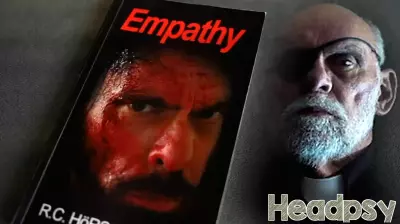
Forensic Psychologist Reviews R.C. Horsch Book for Clues in Missing Women InvestigationA forensic psychologist has examined a book written by R.C. Horsch, suggesting it may contain clues relevant to an ongoing investigation into missing women. Horsch has stated the work is a piece of...

October 7, 2026 - 21:29
Lack of Meaning Linked to Support for Political ViolencePeople who view the world as devoid of meaning are more likely to support political violence. A new study suggests that simple exercises to find everyday meaning could help reduce these violent...