How AI Companions Affect Attachment and Sexual Connection
May 30, 2026 - 18:24
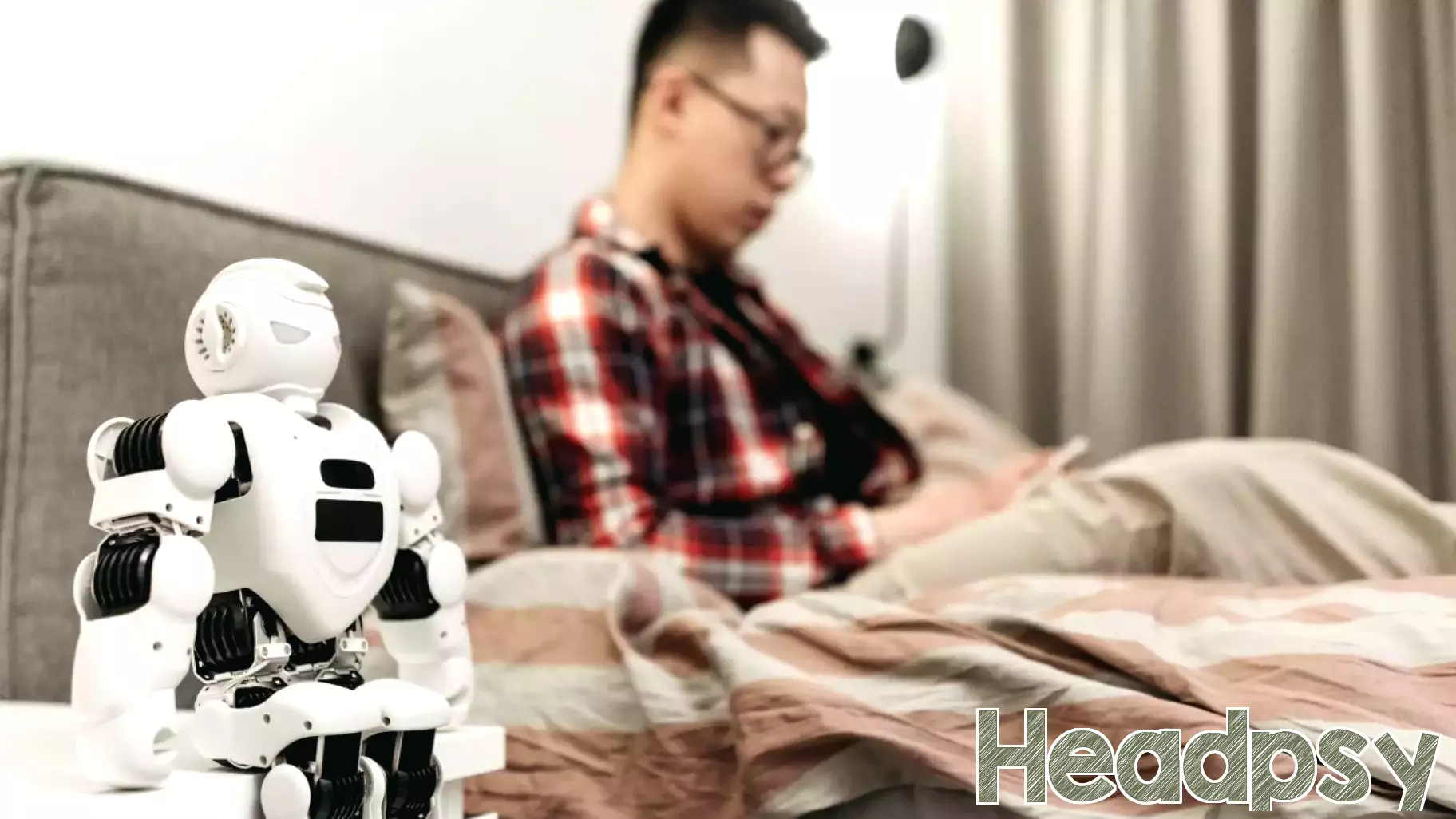
As artificial intelligence grows more sophisticated, a quiet revolution is unfolding in how people seek connection. Millions now turn to AI companions for conversation, emotional support, and even simulated intimacy. But what does this shift mean for real-world relationships? Recent studies are beginning to offer answers, and the picture is complex.
Researchers have found that AI companions can temporarily ease loneliness, providing a judgment-free space for users to express themselves. For individuals with social anxiety or attachment trauma, these digital partners may offer a low-stakes entry point for exploring emotional needs. However, the same studies raise red flags. Some users report that their AI relationships begin to replace human interaction rather than supplement it. The algorithms are designed to be endlessly agreeable, which can create unrealistic expectations for real partners who have their own moods and boundaries.
The impact on sexual connection is equally nuanced. AI companions that offer erotic roleplay or voice interaction can fulfill fantasies without the risk of rejection. Yet therapists note this can lead to a preference for predictable, on-demand gratification over the messier, more vulnerable experience of physical intimacy. One study found that heavy users of AI romance apps reported decreased desire for human partners, not because they were satisfied, but because the AI had conditioned them to avoid the emotional work of real relationships.
Mental health professionals are divided. Some see AI companions as a tool for practicing communication or processing grief. Others warn that they may deepen attachment to avoidant patterns, where users retreat from human connection precisely when they need it most. The key variable appears to be intention: using AI as a supplement to a healthy social life seems harmless, but relying on it as a primary source of attachment can erode the skills needed for genuine bonding.
As the technology improves, these questions will only grow more urgent. The research so far suggests that AI can mirror intimacy, but it cannot replace the mutual growth, conflict, and trust that define human love.
MORE NEWS

October 12, 2026 - 22:08
Why We Sabotage Ourselves Right Before SuccessPsychologist Dr. JJ Kelly, known as `The Punk Rock Doc,` has a clear explanation for a pattern many people recognize but few understand. You are close to a promotion, a relationship milestone, or a...
October 12, 2026 - 03:16
Behavioral Methods Show Real Results for Neurodivergent ChildrenA common belief suggests that behavioral approaches are ineffective for neurodivergent children. Many parents hear this claim repeated so often that it starts to feel like an established fact. The...

October 11, 2026 - 03:32
How Independent Political Identity Takes ShapeThe rise of independent political identities carries major consequences for how American democracy operates at its core. Voters who reject both major parties now represent a substantial and growing...

October 10, 2026 - 05:13
Loneliness Tied to Distress and Binge Watching in Parents of Emigrated ChildrenA study from the National Institute of Mental Health and Neurosciences has found that loneliness among parents whose children have emigrated is closely tied to psychological distress, difficulties...