Uniting Minds: The Role of Mirror Neurons and Oxytocin in Community Building
February 15, 2025 - 13:28
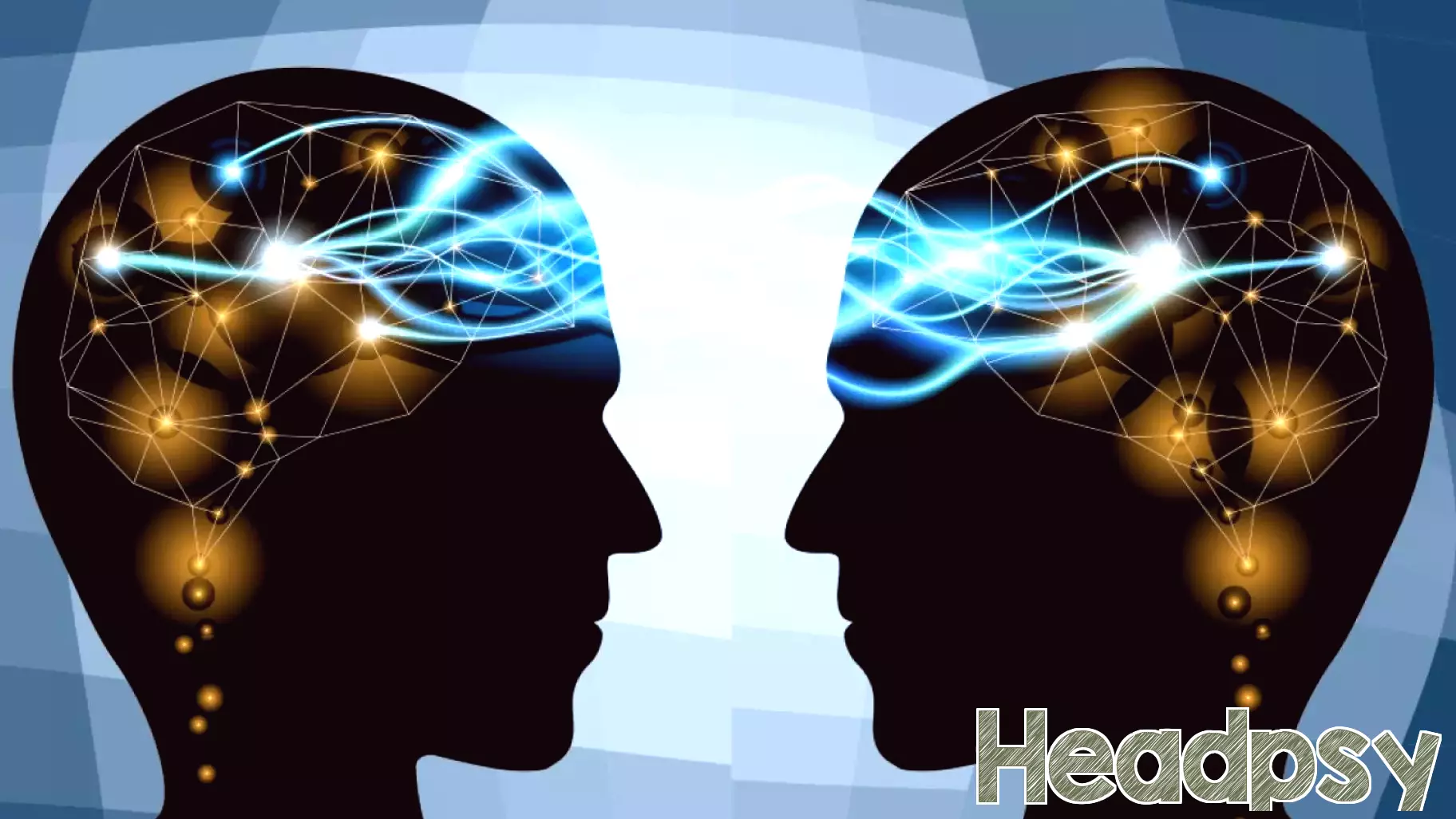
In the fascinating realm of neuroscience, the interplay between mirror neurons and oxytocin is shedding light on how individuals with similar interests can come together to form strong communities. Mirror neurons, which are responsible for our ability to empathize and understand the emotions of others, play a crucial role in fostering connections between people. When individuals share experiences, these neurons activate, promoting a sense of belonging and mutual understanding.
Oxytocin, often referred to as the "love hormone," enhances social bonding and trust. It is released during moments of connection, such as shared laughter or collaborative efforts, reinforcing the ties that bind like-minded individuals. This biochemical response not only strengthens relationships but also encourages collaboration and growth within communities focused on neuroscience and coaching.
As our neuro-nerd community continues to expand, it becomes essential to debunk common neuromyths that may hinder understanding. By promoting accurate knowledge and shared experiences, we can cultivate a supportive environment that empowers individuals to thrive together in their pursuit of knowledge and connection.
MORE NEWS

October 5, 2026 - 00:51
Psychedelic Drugs Advance Toward FDA Approval as Federal Support GrowsPsychedelic substances such as psilocybin and LSD are moving closer to federal approval, marking a significant shift in how regulators and researchers view these once-stigmatized compounds....

October 4, 2026 - 15:10
Psychology says children who talk to themselves while playing may be doing more than just thinking out loudChildren often talk to themselves while solving a puzzle, playing make-believe or working through a difficult task. This self-directed language, known as private speech, may be more than simple...
October 3, 2026 - 22:25
Personality Trait Beats Test Scores in Predicting West Point Leadership SuccessA new meta-analysis of West Point cadets suggests that personality matters more than raw intelligence when it comes to leading troops. While standardized test scores remain a solid predictor of...
October 3, 2026 - 18:04
Study Finds the Human Brain May Function as Two Separate OrgansA recent study suggests that the human brain emerges from two separate organs, a discovery that may impact future treatments for neurodegenerative diseases and brain disorders. Researchers...