Why Babies Are Cute
February 21, 2026 - 01:50
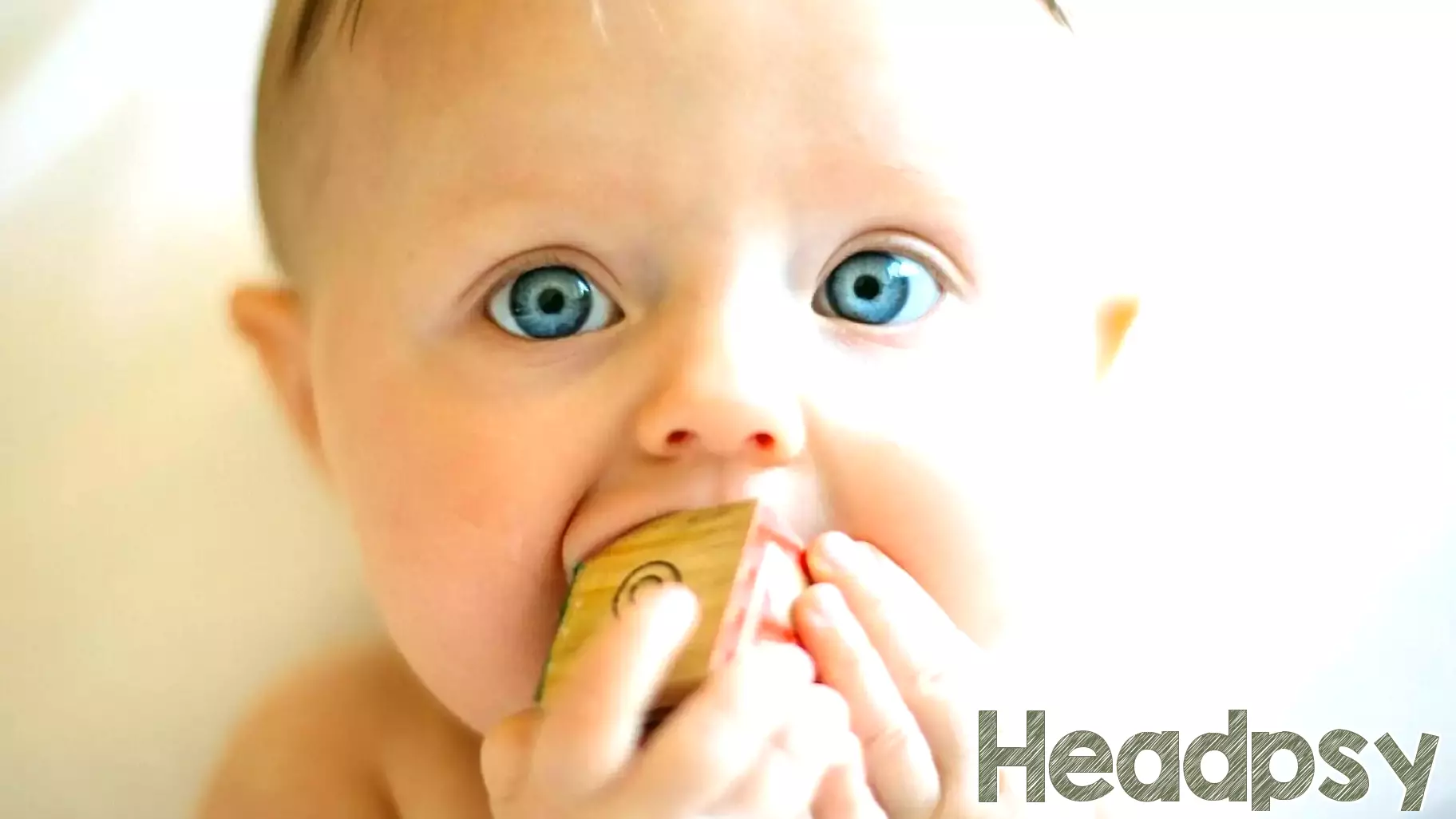
Have you ever wondered why a baby's face seems to command your attention and care? The answer lies in a powerful evolutionary design. Specific features like large eyes, round cheeks, and a small nose and chin create a universal template of cuteness that triggers an instinctive response in our brains.
This reaction is far from superficial. Scientifically, viewing these traits releases a surge of dopamine, activating the brain's caregiving and reward centers. This neurological hijacking is nature's ingenious strategy to ensure that vulnerable, helpless infants receive the constant attention and protection they need to survive.
The phenomenon, known as "baby schema," extends far beyond human infants. Its powerful effect explains why we find puppies, kittens, and even cartoon characters with exaggerated juvenile features so utterly appealing. Marketers and designers frequently employ these principles, knowing that our brains are hardwired to respond positively to these cues. Ultimately, cuteness is much more than a simple aesthetic—it is a profound biological mechanism for bonding and preservation, making it one of evolution's most effective and endearing strategies.
MORE NEWS

October 5, 2026 - 00:51
Psychedelic Drugs Advance Toward FDA Approval as Federal Support GrowsPsychedelic substances such as psilocybin and LSD are moving closer to federal approval, marking a significant shift in how regulators and researchers view these once-stigmatized compounds....

October 4, 2026 - 15:10
Psychology says children who talk to themselves while playing may be doing more than just thinking out loudChildren often talk to themselves while solving a puzzle, playing make-believe or working through a difficult task. This self-directed language, known as private speech, may be more than simple...

October 3, 2026 - 22:25
Personality Trait Beats Test Scores in Predicting West Point Leadership SuccessA new meta-analysis of West Point cadets suggests that personality matters more than raw intelligence when it comes to leading troops. While standardized test scores remain a solid predictor of...
October 3, 2026 - 18:04
Study Finds the Human Brain May Function as Two Separate OrgansA recent study suggests that the human brain emerges from two separate organs, a discovery that may impact future treatments for neurodegenerative diseases and brain disorders. Researchers...