Understanding Cultural Perspectives on Time
April 15, 2025 - 15:40
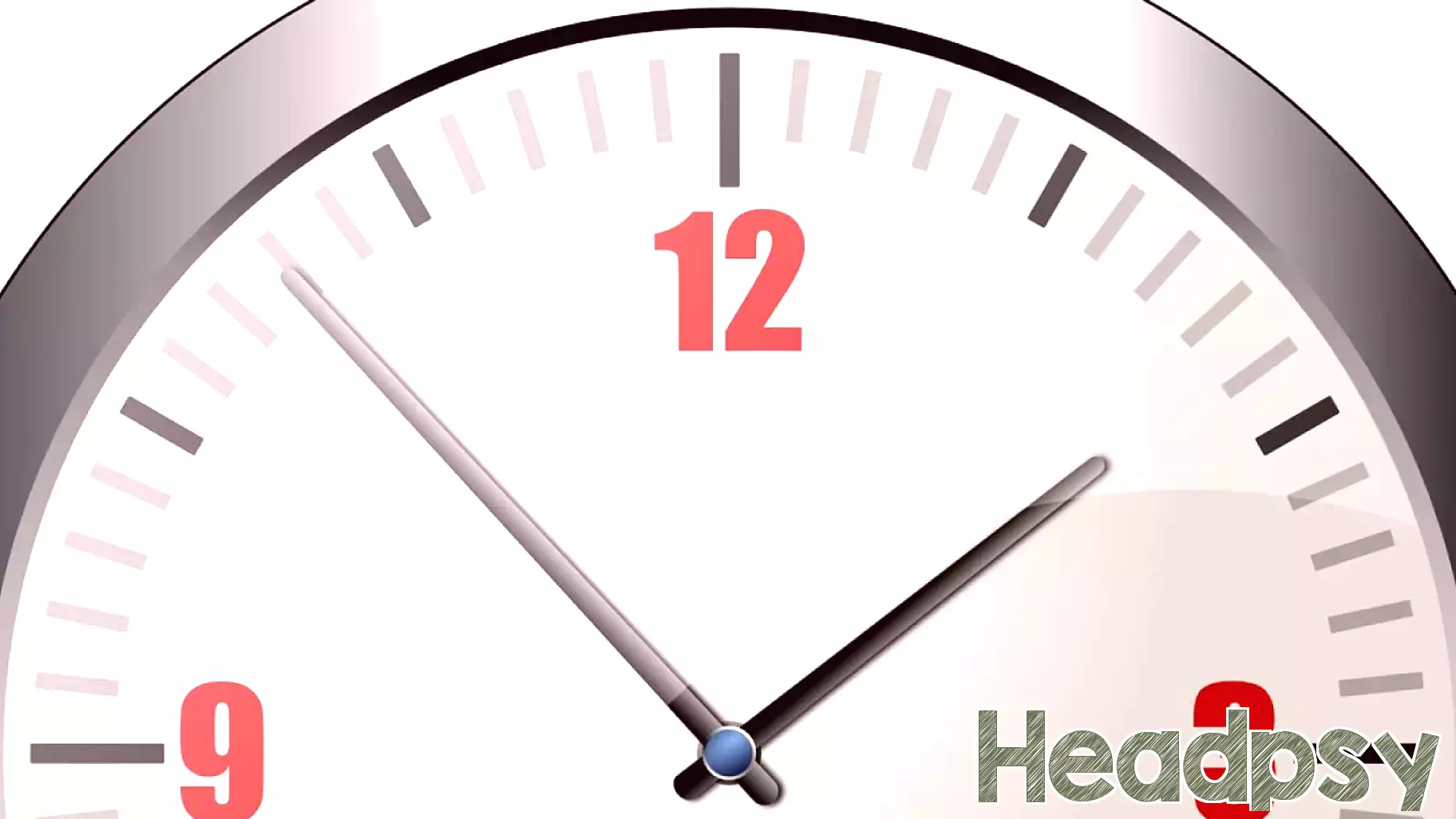
Psychological time varies significantly across cultures, challenging the conventional notion of time as a uniform measurement. While clock time is universally recognized, the way individuals perceive and value time can differ greatly. In some cultures, punctuality is seen as a sign of respect and professionalism, leading to a strict adherence to schedules and deadlines. Conversely, in other cultures, a more relaxed approach to time may prevail, where relationships and social interactions take precedence over strict adherence to a clock.
These differences can lead to misunderstandings in international contexts, particularly in business settings. For instance, in cultures that prioritize punctuality, arriving late can be interpreted as a lack of respect or seriousness. On the other hand, in cultures with a more fluid perception of time, flexibility may be valued, and strict schedules might be viewed as rigid or unnecessary.
Recognizing these cultural variations in the perception of time can foster better communication and collaboration in our increasingly interconnected world. Understanding that time is not merely a ticking clock, but a complex psychological construct shaped by cultural norms, can enhance interpersonal relationships and reduce potential conflicts.
MORE NEWS

October 5, 2026 - 00:51
Psychedelic Drugs Advance Toward FDA Approval as Federal Support GrowsPsychedelic substances such as psilocybin and LSD are moving closer to federal approval, marking a significant shift in how regulators and researchers view these once-stigmatized compounds....

October 4, 2026 - 15:10
Psychology says children who talk to themselves while playing may be doing more than just thinking out loudChildren often talk to themselves while solving a puzzle, playing make-believe or working through a difficult task. This self-directed language, known as private speech, may be more than simple...

October 3, 2026 - 22:25
Personality Trait Beats Test Scores in Predicting West Point Leadership SuccessA new meta-analysis of West Point cadets suggests that personality matters more than raw intelligence when it comes to leading troops. While standardized test scores remain a solid predictor of...
October 3, 2026 - 18:04
Study Finds the Human Brain May Function as Two Separate OrgansA recent study suggests that the human brain emerges from two separate organs, a discovery that may impact future treatments for neurodegenerative diseases and brain disorders. Researchers...