The Silent Message of Exclusion in Visual Representation
November 19, 2025 - 05:57
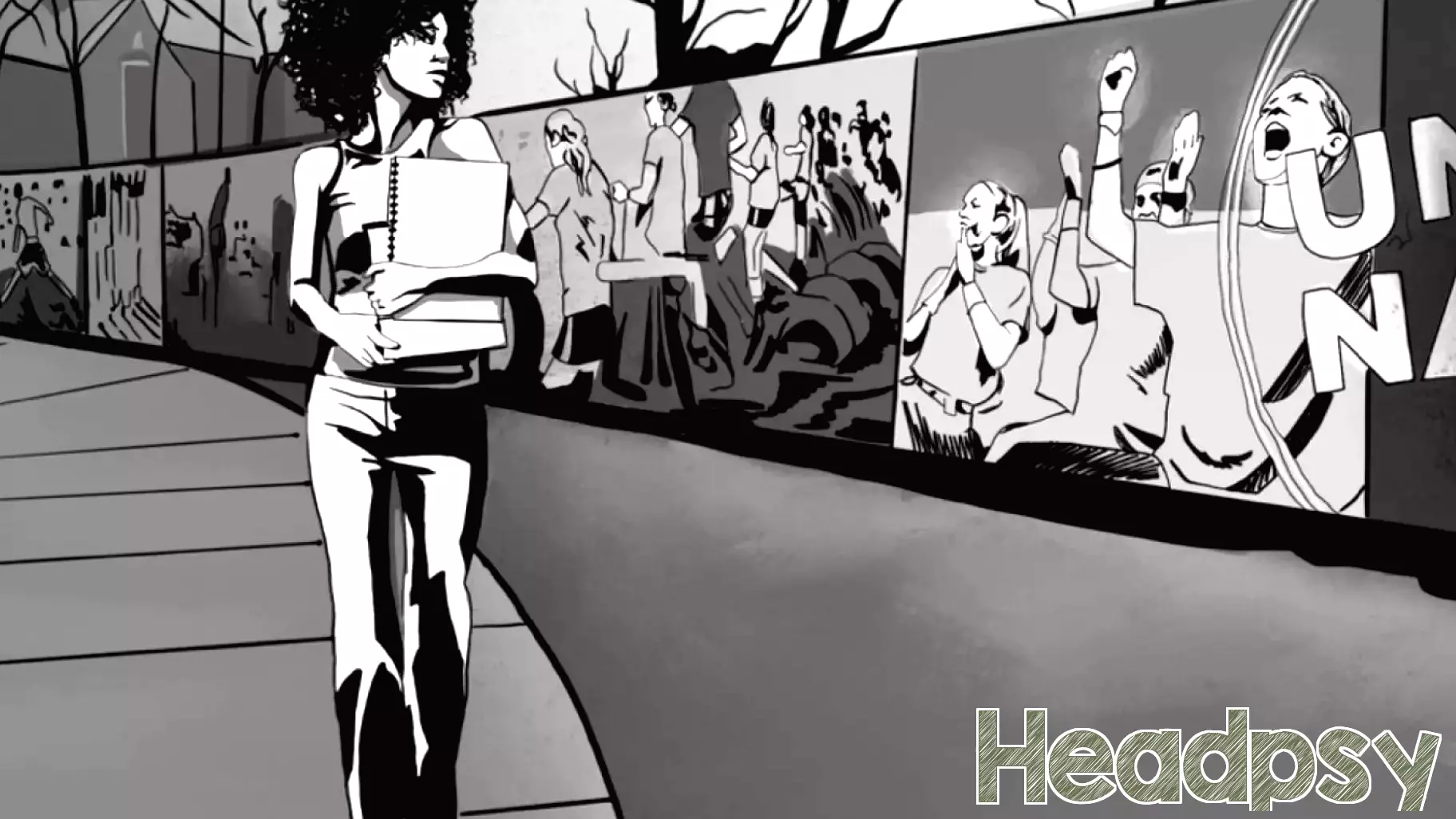
When individuals do not see themselves represented in images of leadership, campus life, or esteemed global programs, it sends a powerful, albeit subtle, message: this space is not meant for them. The absence of diverse representation can create an environment where marginalized groups feel alienated and unsupported. This phenomenon often goes unnoticed, yet it plays a crucial role in shaping perceptions of belonging and opportunity within educational institutions.
Visual representation matters significantly; it influences self-esteem and aspirations among students. When young people encounter images that reflect their identities and backgrounds, they are more likely to envision themselves in roles of leadership and success. Conversely, a lack of diversity can perpetuate feelings of inadequacy and exclusion, reinforcing systemic barriers that hinder access to opportunities.
In order to foster a more inclusive environment, institutions must actively seek to diversify their visual narratives. This involves not only showcasing a variety of faces but also celebrating the rich tapestry of experiences that contribute to a vibrant academic community.
MORE NEWS

October 5, 2026 - 00:51
Psychedelic Drugs Advance Toward FDA Approval as Federal Support GrowsPsychedelic substances such as psilocybin and LSD are moving closer to federal approval, marking a significant shift in how regulators and researchers view these once-stigmatized compounds....

October 4, 2026 - 15:10
Psychology says children who talk to themselves while playing may be doing more than just thinking out loudChildren often talk to themselves while solving a puzzle, playing make-believe or working through a difficult task. This self-directed language, known as private speech, may be more than simple...
October 3, 2026 - 22:25
Personality Trait Beats Test Scores in Predicting West Point Leadership SuccessA new meta-analysis of West Point cadets suggests that personality matters more than raw intelligence when it comes to leading troops. While standardized test scores remain a solid predictor of...
October 3, 2026 - 18:04
Study Finds the Human Brain May Function as Two Separate OrgansA recent study suggests that the human brain emerges from two separate organs, a discovery that may impact future treatments for neurodegenerative diseases and brain disorders. Researchers...