The Quiet Strength: Ten Overlooked Traits of Low-Key Individuals
March 22, 2026 - 21:41
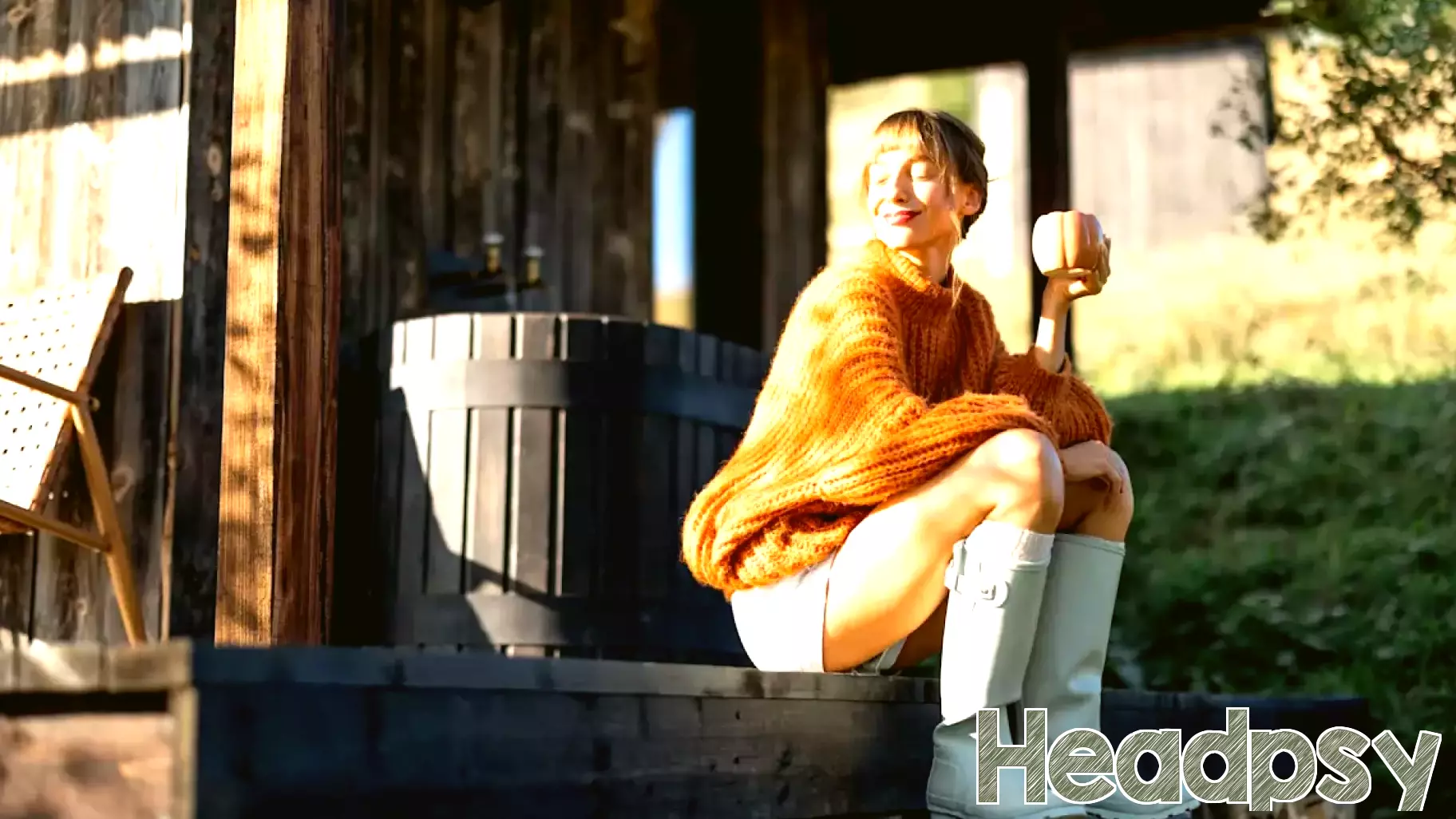
In a world that often equates volume with vitality, those who prefer serene settings are frequently misunderstood. Contrary to the assumption that they are disengaged or low-energy, psychology reveals a different truth. These individuals possess a distinct and valuable set of characteristics that flourish in calm.
Research suggests that people drawn to quiet environments often share a cluster of special, yet commonly overlooked, traits. They typically possess deep capacities for concentration and sustained focus, allowing them to engage deeply with complex tasks or creative pursuits. Their preference for calm often stems from a rich inner world and a heightened sensitivity to sensory input, making bustling environments overwhelming rather than energizing.
These individuals are frequently exceptional listeners and thoughtful observers, processing information thoroughly before contributing. This leads to insightful, well-considered perspectives. Their energy is not absent but is conserved and directed intentionally, often resulting in profound creativity, strategic thinking, and strong, meaningful relationships built on genuine connection rather than superficial interaction. They value quality over quantity in both their social circles and their experiences.
Far from being passive, their choice of a low-key environment is a conscious strategy for optimal functioning. It fosters introspection, self-awareness, and emotional regulation. This preference underscores a form of resilience that comes from internal stability, not external validation. Recognizing these traits allows for a greater appreciation of the diverse ways in which people draw energy, contribute meaningfully, and navigate the world. The quiet ones are not missing out; they are often operating from a place of deliberate and potent strength.
MORE NEWS
September 19, 2026 - 06:38
Someone took your usual office chair? Psychology explains why it can feel strangely unsettlingYou walk into the office, glance across the room and stop. Someone is sitting in your chair. It is a small thing, objectively. It is just a piece of furniture. Yet the feeling that washes over you...
September 18, 2026 - 22:03
Why Spirituality Survives When Organized Religion FadesPeople who describe themselves as spiritual but not religious are not simply confused or indecisive. Research into the psychology of belief suggests they are expressing something deeply rooted in...

September 18, 2026 - 00:09
Why People Decorate Their Charging CablesAn everyday object does not have to be purely practical. It can serve a useful purpose while also reflecting personal taste and carrying a little emotional value. A cable protector, for instance,...

September 17, 2026 - 02:26
Psychologists agree that people with messy rooms struggle to keep a routine and dodge responsibilitiesA cluttered bedroom may say more about a person than simple untidiness. Canadian psychologist Jordan Peterson argues that a messy room goes hand in hand with failing routines and a habit of dodging...