The Oracle Paradox
May 12, 2026 - 03:51
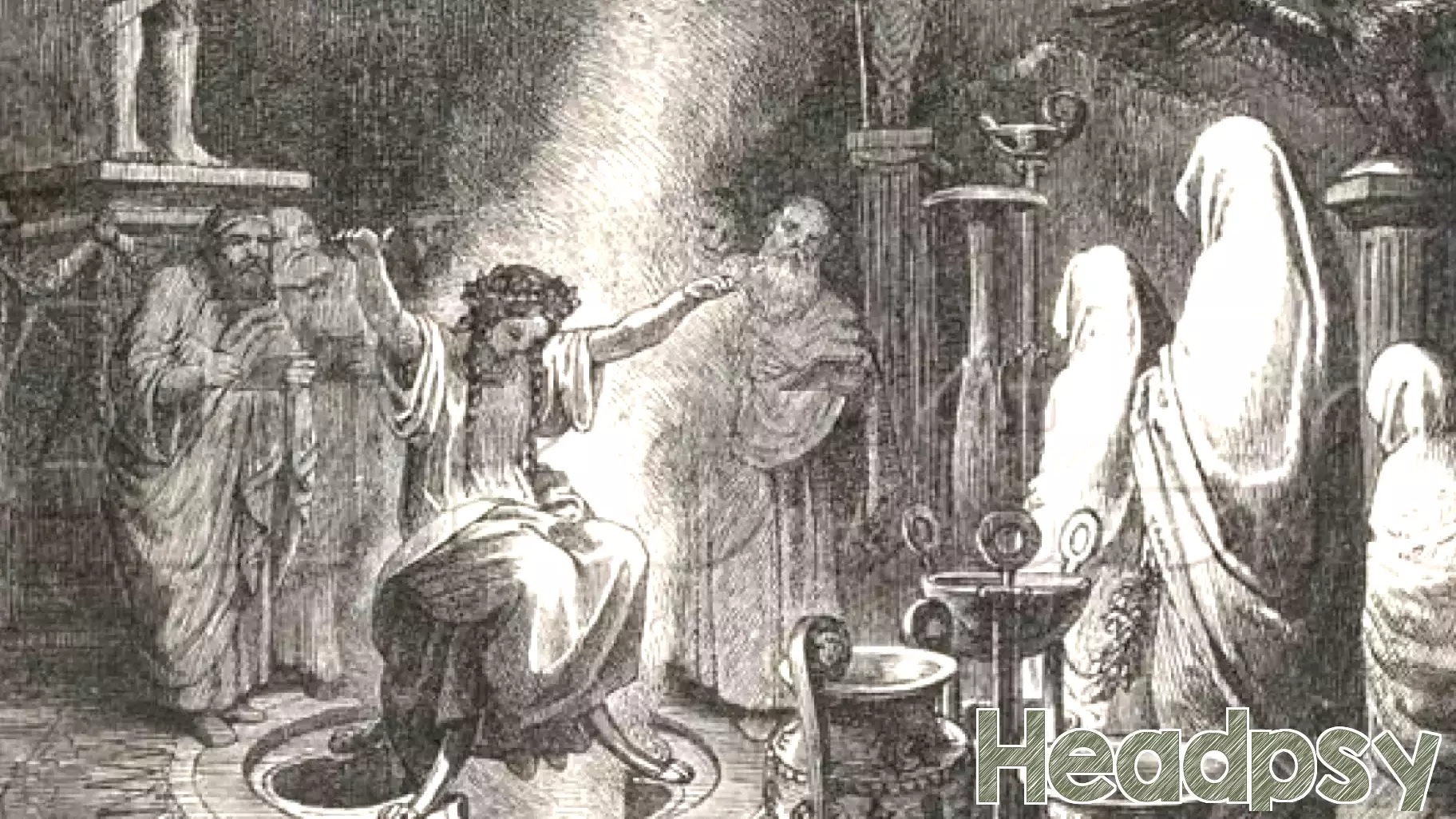
As artificial intelligence and algorithmic systems grow more powerful, they also become less understandable. This paradox is quietly reviving patterns of thought that many believed were left behind in pre-modern times: mystical thinking, mediated authority, and the search for hidden forces behind everyday life.
The term "Oracle Paradox" captures this tension. We build machines that can predict, recommend, and decide with astonishing accuracy. Yet their inner workings often remain opaque, even to their creators. When a system flags a loan application as high risk, or recommends a medical treatment, or denies a job interview, the reasoning can be buried inside a black box of neural networks and training data.
In response, people increasingly treat these systems like oracles. They ask questions, receive answers, and accept outcomes without understanding the process. This mirrors ancient practices where priests or shamans interpreted signs from the gods. The machine becomes a mediator, a source of authority that is both powerful and inscrutable.
This shift has real consequences. When people trust algorithmic decisions without question, they may surrender personal judgment. When they search for hidden patterns in data, they risk seeing meaning where none exists. The search for hidden forces behind modern life, from stock market fluctuations to social media trends, can lead to conspiracy thinking or a passive acceptance of fate.
The paradox is not that AI is magical. It is that our relationship with it often looks like magic. We need better transparency, but also a cultural shift. We must learn to question the oracle, not just worship its answers.
MORE NEWS

September 23, 2026 - 23:48
Men with less modest self-views are more likely to feel victimized and support men's rights activismNew research points to a specific personality trait that helps explain why some men feel their gender is under attack. The study found that low trait modesty, meaning a tendency to view oneself as...

September 23, 2026 - 02:26
Why Interruptions Feel Like a Personal AttackUnexpected interruptions, even if brief, can severely disrupt an individual`s thought process and workflow. Studies demonstrate that even momentary distractions can lead to increased mistakes and...

September 22, 2026 - 04:03
Psychology says people who struggle to confront others may be running a powerful risk calculationAvoiding a confrontation can be the safest and most sensible choice when a situation feels threatening. The pattern becomes more psychologically meaningful when someone consistently struggles to...

September 21, 2026 - 13:23
How Navy SEAL Training Shows Resilience Can Be Built, Not Just BornUS Navy SEAL training reveals that resilience is not an innate quality people either have or lack. Instead, it can develop over time. Psychological traits like hardiness and grit adapt during...