The Hidden Psychology Behind Your Pile of Broken Gadgets
January 25, 2026 - 02:47
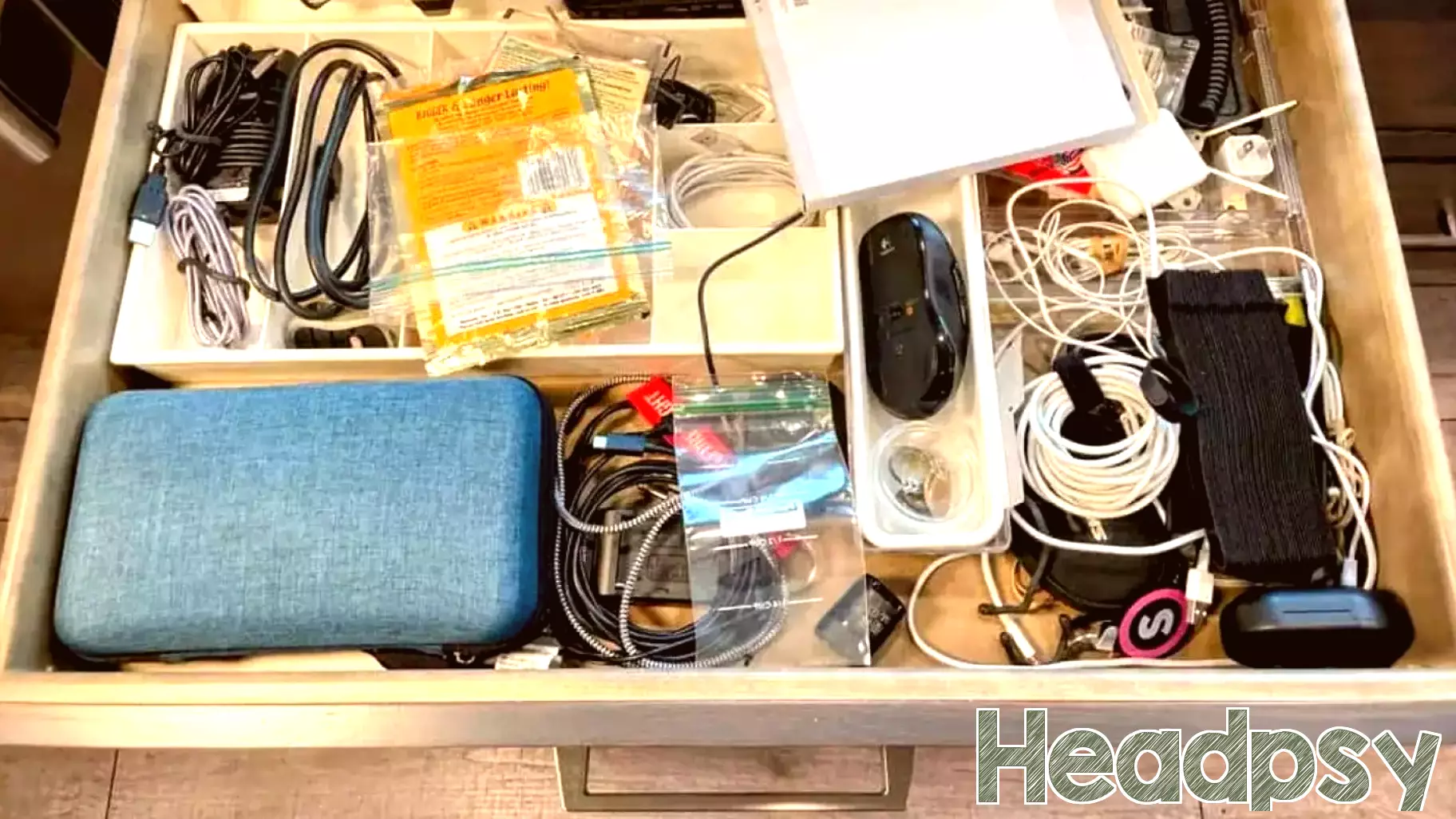
That drawer full of broken phones and obsolete gadgets you can't seem to throw away isn't about being practical—it's about the hidden ways you've learned to measure your own worth. Psychology suggests this common form of clutter is often a manifestation of deeper hoarding patterns directly tied to our self-esteem and identity.
Experts point to several key patterns. Sentimental attachment can transform a cracked device into a vessel for precious memories, making it feel like discarding a part of one's past. Similarly, a "just-in-case" mentality often masks a fear of future scarcity or a belief that one must be prepared for everything. Broken electronics can also represent unfulfilled potential or abandoned projects, leading to guilt over the wasted money or time, which feels like a reflection of personal failure.
For many, these items symbolize past achievements or a former, more technologically adept self, making disposal feel like an erasure of that competence. The perceived high cost of the item originally can create an irrational link between the object and one's financial worth, while the overwhelm of organizing the clutter paralyzes decision-making. Ultimately, these patterns reveal how we often outsource our sense of value to objects, using them as anchors for our history, our capabilities, and our security. Letting go, therefore, isn't just a physical act but an emotional recalibration.
MORE NEWS

October 23, 2026 - 02:27
Woodcut reframes true crime through psychology and motiveWoodcut Media, the production company behind World`s Most Evil Killers, is changing how it approaches true-crime storytelling by placing greater emphasis on psychology and motive rather than shock...

October 22, 2026 - 00:43
Older adults tell the story of their lives differently, and it may not be a sign of decline, new psychology study suggestsA new psychology study suggests that older adults tell the story of their lives differently from younger adults, and that this difference may not signal mental decline. Researchers found that older...

October 21, 2026 - 01:40
Why Festival Prices Keep Climbing and Why We Keep PayingIf you went to a music festival this summer, whether it was Osheaga, Coachella, or Lollapalooza, you probably noticed that everything cost more. The ticket itself was likely higher than last year....

October 20, 2026 - 01:45
Utah Tech to Launch Clinical Psychology and Counseling Master's ProgramUtah Tech University has received approval to offer a new master`s program in counseling and clinical psychology, with the first cohort set to begin in fall 2027. The announcement, made Tuesday,...