The Self-Taught Mind: How Curiosity Forges a Different Kind of Problem-Solver
March 9, 2026 - 14:15
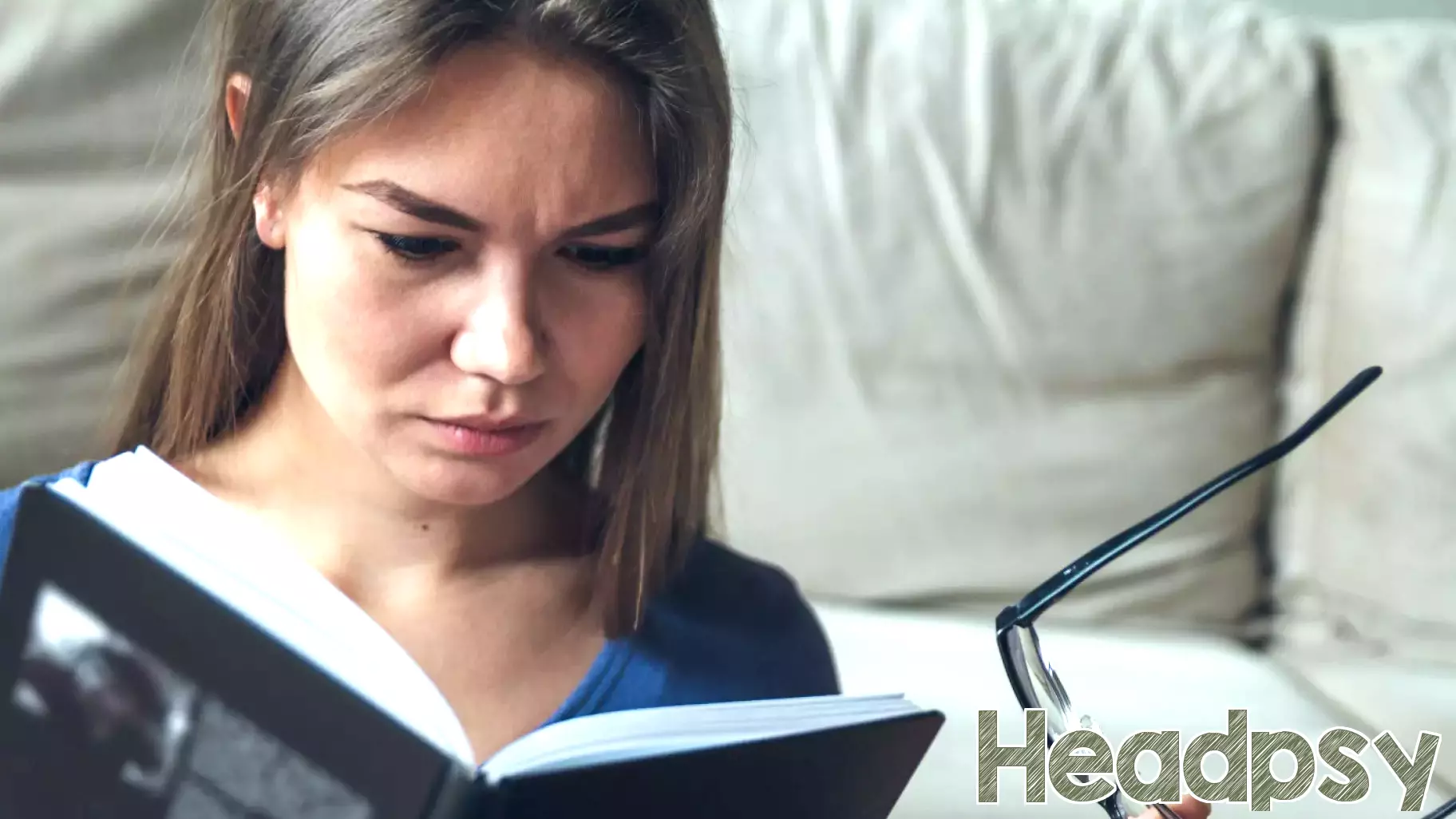
Formal education provides a structured path to knowledge, but a growing understanding in psychology suggests that those who educate themselves through relentless reading and curiosity develop a fundamentally distinct cognitive toolkit. Their approach to problem-solving isn't simply an alternative; it's often built on mental patterns that traditional classrooms struggle to replicate.
Research indicates these individuals typically exhibit eight key cognitive patterns. They are often driven by intrinsic motivation, learning purely for the sake of understanding, which leads to deeper and more interconnected knowledge. Their thinking is highly flexible, allowing them to draw unconventional connections across disparate fields—seeing how a philosophy concept might solve a logistical puzzle, for instance.
Without the rigid syllabus of a degree program, autodidacts become adept at self-directed learning, relentlessly questioning and identifying their own knowledge gaps. This fosters robust metacognition, or the ability to think about their own thinking. They are comfortable with ambiguity, patiently navigating uncertainty where others might seek a quick, textbook answer. This often results in divergent thinking, generating a wider array of potential solutions rather than converging on a single "correct" one.
Ultimately, their skill set is built around systems thinking, viewing problems as parts of a whole rather than isolated incidents, and solution fluency, focusing relentlessly on practical application over theoretical perfection. This unique blend, forged not in lecture halls but in the pursuit of personal curiosity, enables them to dismantle complex challenges in innovative ways that formal education alone may not engineer.
MORE NEWS

October 21, 2026 - 01:40
Why Festival Prices Keep Climbing and Why We Keep PayingIf you went to a music festival this summer, whether it was Osheaga, Coachella, or Lollapalooza, you probably noticed that everything cost more. The ticket itself was likely higher than last year....
October 20, 2026 - 01:45
Utah Tech to Launch Clinical Psychology and Counseling Master's ProgramUtah Tech University has received approval to offer a new master`s program in counseling and clinical psychology, with the first cohort set to begin in fall 2027. The announcement, made Tuesday,...

October 19, 2026 - 01:41
Psychologists Say THIS Is Why You’re So Drawn to Antique Decor and Old PlacesThere is a reason some people cannot walk past a flea market without stopping, or why a weathered farmhouse or a cobblestone street can feel strangely comforting. Psychologists say the pull toward...

October 18, 2026 - 03:39
The Power of Productive Conflict in Creative WorkLeonard Bernstein`s famous clash with Glenn Gould offers a striking lesson in how workplace conflict can become a source of brilliance rather than breakdown. The two men disagreed fundamentally...