The Intimate Frontier: AI Enters Our Homes in Physical Form
March 8, 2026 - 18:31

The next wave of artificial intelligence isn't confined to screens or speakers; it's gaining a physical presence. As AI moves into our domestic spheres through local, embodied robots, the central debate is shifting. The conversation is no longer solely about technical capabilities, but about navigating the profound ethical terrain of trust and privacy within our most personal spaces.
These robots, operating independently without constant cloud dependence, promise greater reliability and responsiveness. They could assist with household chores, provide companionship, or offer care. However, their very presence—seeing, processing, and moving through our living rooms and kitchens—introduces unprecedented challenges. A device that can navigate a cluttered home must also understand and respect the invisible boundaries of personal life.
The core question becomes whether this technology can be designed with a fundamental respect for human dignity. Can an AI entity share our private spaces without becoming a source of surveillance or unease? Experts argue that the solution lies in transparent design, clear user control over data, and robust local processing that keeps sensitive information within the home. The success of embodied AI will hinge not on its intelligence alone, but on its ability to be a respectful and trustworthy presence in the intimate setting of the home.
MORE NEWS

October 23, 2026 - 02:27
Woodcut reframes true crime through psychology and motiveWoodcut Media, the production company behind World`s Most Evil Killers, is changing how it approaches true-crime storytelling by placing greater emphasis on psychology and motive rather than shock...

October 22, 2026 - 00:43
Older adults tell the story of their lives differently, and it may not be a sign of decline, new psychology study suggestsA new psychology study suggests that older adults tell the story of their lives differently from younger adults, and that this difference may not signal mental decline. Researchers found that older...

October 21, 2026 - 01:40
Why Festival Prices Keep Climbing and Why We Keep PayingIf you went to a music festival this summer, whether it was Osheaga, Coachella, or Lollapalooza, you probably noticed that everything cost more. The ticket itself was likely higher than last year....
October 20, 2026 - 01:45
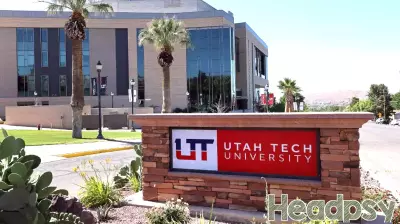
Utah Tech to Launch Clinical Psychology and Counseling Master's ProgramUtah Tech University has received approval to offer a new master`s program in counseling and clinical psychology, with the first cohort set to begin in fall 2027. The announcement, made Tuesday,...