Recognizing Emotional Numbness: Signs You Might Be Unaware
January 21, 2026 - 12:16
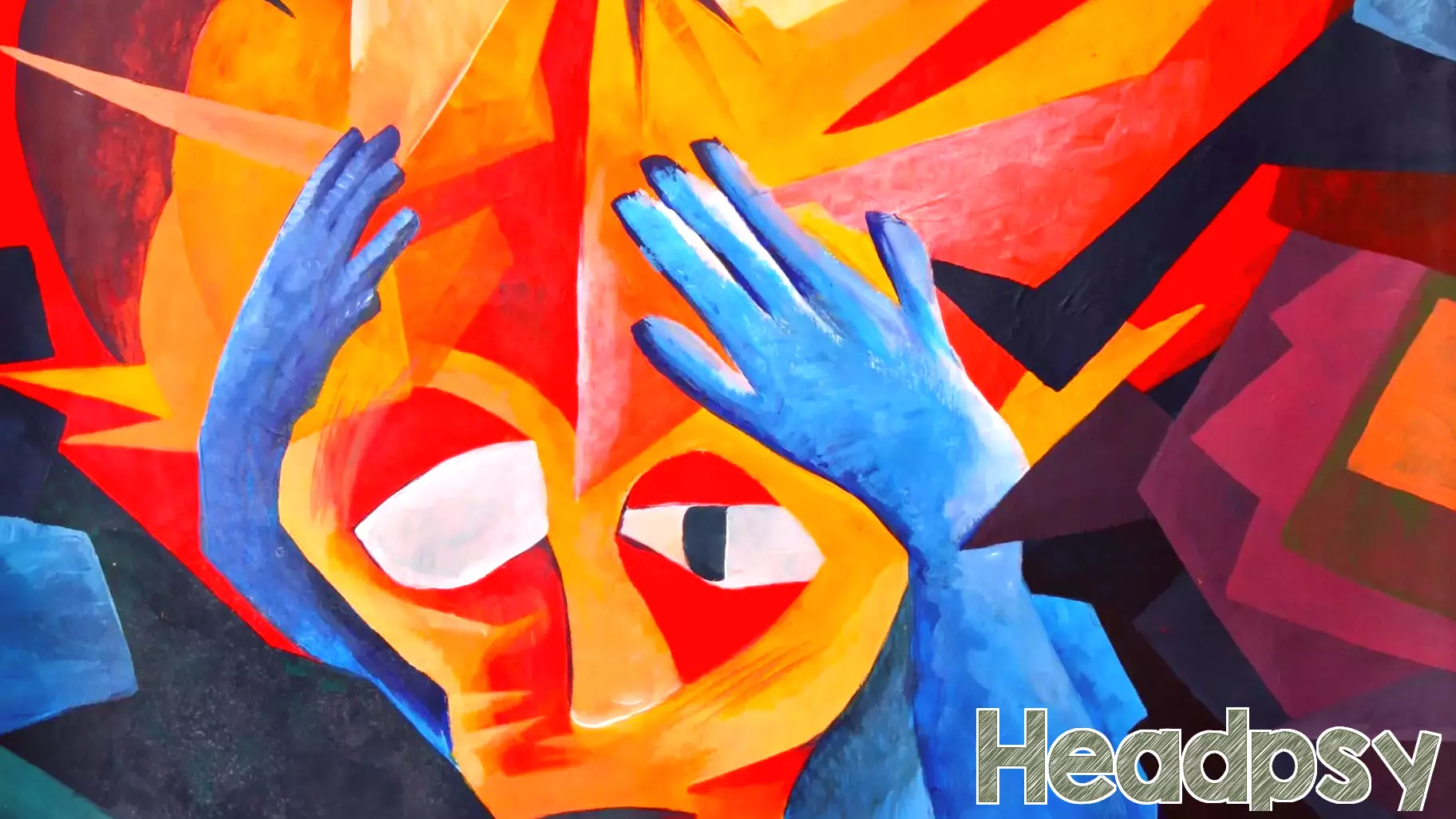
If you believe that feeling nothing is a sign of strength, you may be confusing emotional numbness with genuine emotional safety. Understanding the distinction is crucial for your mental well-being. Here are three signs that you might be emotionally numb without even realizing it.
Firstly, you may find it challenging to connect with others on an emotional level. If conversations feel superficial and you struggle to engage in meaningful relationships, this could indicate a disconnect from your feelings.
Secondly, you might notice a lack of joy or excitement in activities that once brought you happiness. If hobbies, social gatherings, or even personal achievements no longer elicit any emotional response, it could be a sign of numbness.
Lastly, if you often feel detached or disconnected from your own thoughts and experiences, it may suggest a deeper emotional barrier. Recognizing these signs is the first step toward addressing emotional numbness and fostering a healthier emotional landscape.
MORE NEWS

October 20, 2026 - 01:45
Utah Tech to Launch Clinical Psychology and Counseling Master's ProgramUtah Tech University has received approval to offer a new master`s program in counseling and clinical psychology, with the first cohort set to begin in fall 2027. The announcement, made Tuesday,...

October 19, 2026 - 01:41
Psychologists Say THIS Is Why You’re So Drawn to Antique Decor and Old PlacesThere is a reason some people cannot walk past a flea market without stopping, or why a weathered farmhouse or a cobblestone street can feel strangely comforting. Psychologists say the pull toward...

October 18, 2026 - 03:39
The Power of Productive Conflict in Creative WorkLeonard Bernstein`s famous clash with Glenn Gould offers a striking lesson in how workplace conflict can become a source of brilliance rather than breakdown. The two men disagreed fundamentally...
October 17, 2026 - 06:05
The acorn, the demon, the therapy to serve human love. The scabs of psychoanalysisJames Hillman spent decades arguing that modern psychology had lost its soul. His death left behind a body of work that asks uncomfortable questions about what therapy has become and what it was...