The Doppelgänger: Social Media and the Mr. Hyde Effect
June 5, 2026 - 20:37
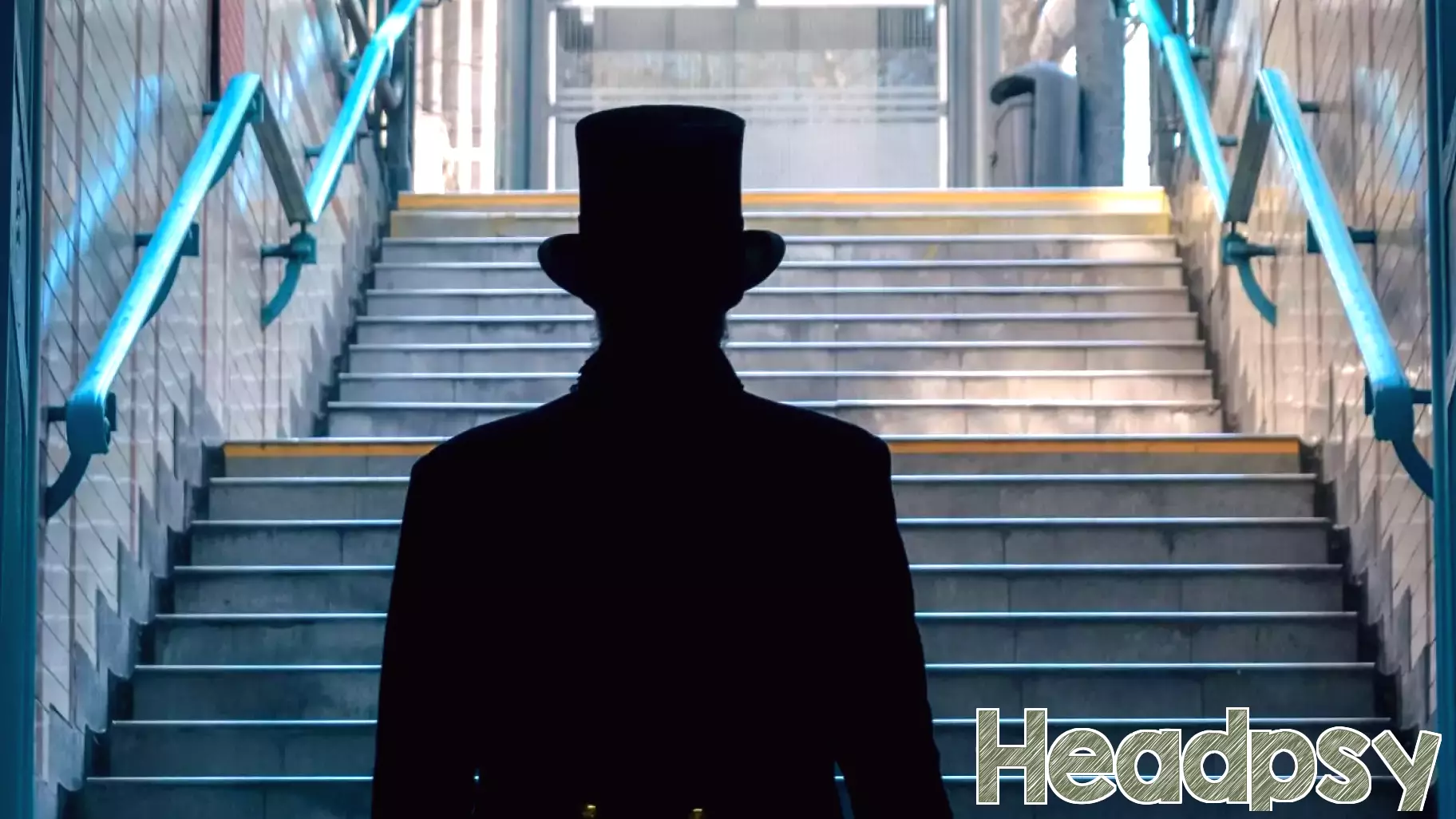
Social media offers a troubling opportunity for many users to craft toxic, monstrous versions of themselves online. This phenomenon, often described as the "Mr. Hyde effect," suggests that the digital world allows our darker impulses to surface without the usual social restraints of face-to-face interaction. Unlike the fictional Dr. Jekyll, who physically transformed into his evil counterpart, modern users can slip into a hostile persona with just a few keystrokes, then return to their normal lives without immediate consequence.
The anonymity and distance provided by screens encourage behavior that many would never display in person. A quiet coworker might become a vicious commenter. A patient parent could turn into a relentless troll. This digital doppelganger feeds on the lack of accountability and the dopamine hit of viral outrage. Platforms reward extreme statements with likes and shares, reinforcing the Hyde-like behavior.
Psychologists warn that this split identity can become addictive. The more a person indulges in their online Hyde, the harder it becomes to reconcile that persona with their real-world self. Over time, the digital monster can erode empathy and damage real relationships. The solution may lie in conscious self-awareness: recognizing when the screen is enabling a version of you that you would not want to meet in the flesh. Until then, the Mr. Hyde effect remains a dark mirror held up to the social media age.
MORE NEWS

October 19, 2026 - 01:41
Psychologists Say THIS Is Why You’re So Drawn to Antique Decor and Old PlacesThere is a reason some people cannot walk past a flea market without stopping, or why a weathered farmhouse or a cobblestone street can feel strangely comforting. Psychologists say the pull toward...

October 18, 2026 - 03:39
The Power of Productive Conflict in Creative WorkLeonard Bernstein`s famous clash with Glenn Gould offers a striking lesson in how workplace conflict can become a source of brilliance rather than breakdown. The two men disagreed fundamentally...
October 17, 2026 - 06:05
The acorn, the demon, the therapy to serve human love. The scabs of psychoanalysisJames Hillman spent decades arguing that modern psychology had lost its soul. His death left behind a body of work that asks uncomfortable questions about what therapy has become and what it was...
October 16, 2026 - 18:07
A Single Class Can Shift How Students See Mental IllnessIt took just one class period to change how a group of college students view mental illness. Researchers found that a brief educational session focused on the science of mental health produced...