Psychology says people with true class don't perform kindness for an audience - they're kind in parking lots, grocery stores, and phone calls with customer service because their character doesn't change based on who's watching
March 23, 2026 - 16:00
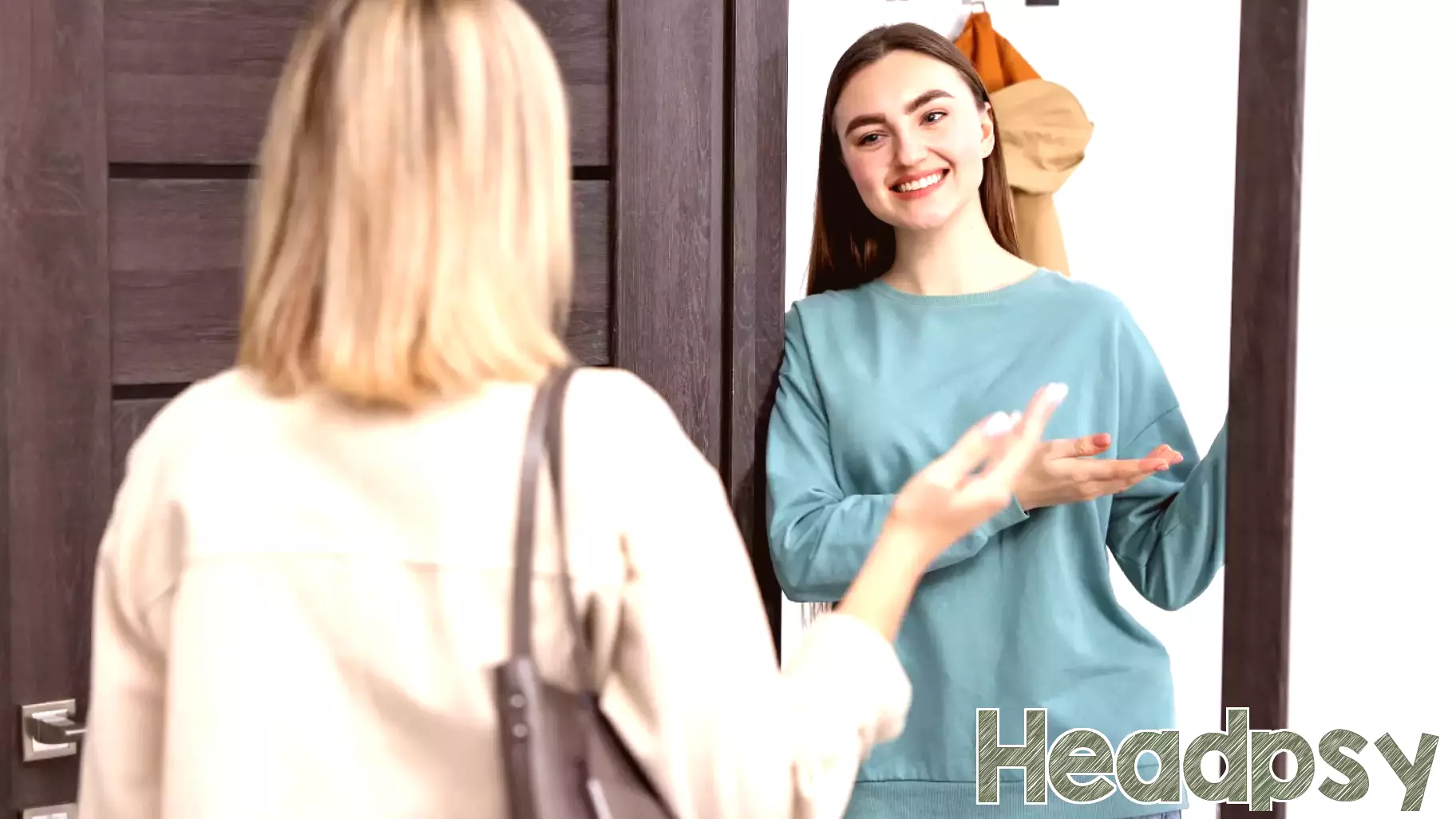
A recent exploration into the psychology of character reveals a compelling distinction between performative virtue and genuine class. True class, it suggests, is not displayed for an audience but is woven into the fabric of everyday, unseen interactions. It’s the consistent kindness that doesn’t change based on who is watching.
This perspective argues that individuals with authentic integrity don’t adjust their behavior for social media accolades or public recognition. Instead, their character remains steadfast in the anonymous, mundane moments of daily life. Their compassion is evident in the patience shown during a frustrating phone call with customer service, in the careful return of a shopping cart in a rainy parking lot, or in offering a genuine word of encouragement to a stressed cashier at the grocery store.
Psychologists indicate this consistency stems from an internal moral compass, rather than a desire for external validation. For these individuals, kindness and respect are not situational tools but fundamental aspects of their identity. Their actions are guided by a private standard of conduct that holds firm whether they are in a boardroom or alone in an elevator. This quiet, unwavering decency, practiced without an audience, is ultimately the hallmark of real character and the truest measure of class. It reminds us that the most powerful statements about who we are are often made in silence, witnessed by no one but ourselves.
MORE NEWS
September 20, 2026 - 16:38
Psychology says people who fold the towel back the way they found it share 6 traits that predict a long marriageMost people wouldn`t think about the towel. This person can`t not think about it. The way a towel is folded and placed back on the rack might seem like a minor detail in the grand scheme of a...

September 19, 2026 - 17:49
Rethinking the Baby Bag: A New Look at Maternal AmbivalenceA candid conversation has brought fresh attention to the complicated emotional world of motherhood, using a simple metaphor to capture what many parents feel but rarely say out loud. The idea,...
September 19, 2026 - 06:38
Someone took your usual office chair? Psychology explains why it can feel strangely unsettlingYou walk into the office, glance across the room and stop. Someone is sitting in your chair. It is a small thing, objectively. It is just a piece of furniture. Yet the feeling that washes over you...

September 18, 2026 - 22:03
Why Spirituality Survives When Organized Religion FadesPeople who describe themselves as spiritual but not religious are not simply confused or indecisive. Research into the psychology of belief suggests they are expressing something deeply rooted in...