Let's Ask Brains What ADHD Looks Like
April 12, 2026 - 03:22
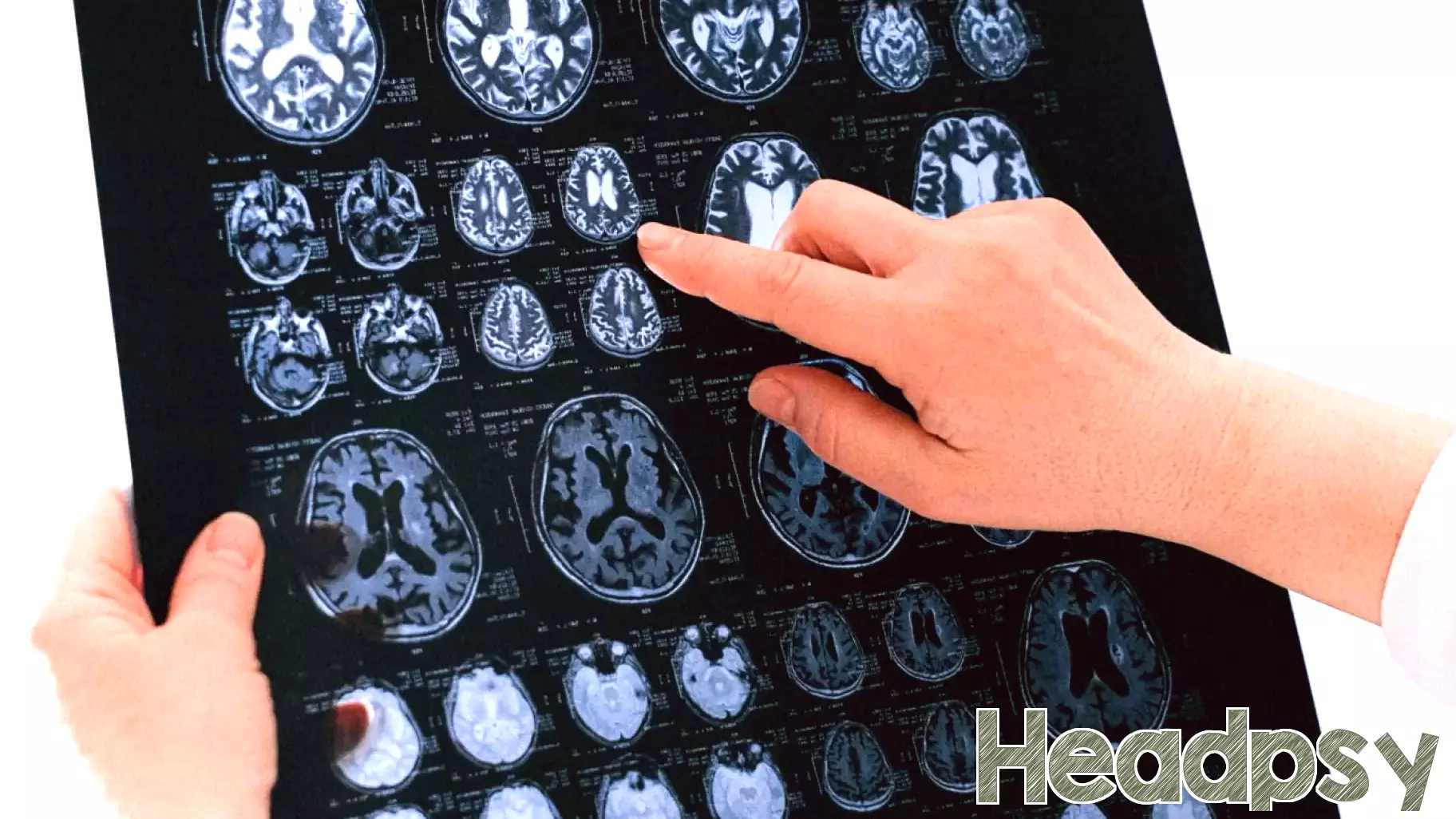
What if we could directly ask the brain about ADHD? A recent study used innovative techniques to do just that, moving beyond behavioral checklists to examine the neurological foundations of the condition. Researchers employed advanced neuroimaging to analyze brain activity and structure in individuals with and without an ADHD diagnosis.
The findings reveal distinct patterns in how certain brain networks communicate, particularly those governing attention, impulse control, and executive function. This research suggests that ADHD is associated with measurable differences in the brain's wiring and signaling pathways. These tangible biological markers help validate the experiences of those with ADHD, framing it as a difference in neurodevelopment rather than merely a behavioral issue.
Scientists emphasize that this work is a significant step toward more objective diagnostic tools. By identifying specific neural signatures, the potential for earlier and more accurate diagnosis improves. Furthermore, understanding these unique brain patterns paves the way for developing more targeted and effective future interventions, offering hope for personalized treatment strategies that address the root causes of ADHD symptoms.
MORE NEWS

October 9, 2026 - 06:23
What Sunderland Can Learn From Elite Swimming PsychologySunderland`s season has shown how quickly momentum can shift in the Championship. One week the team looks unstoppable, the next it struggles to hold a lead. While tactics and fitness get most of...

October 8, 2026 - 19:48
Why Vacation Strangers Can Feel Like Instant FriendsMeeting someone on vacation and feeling an immediate bond is a common experience, and psychology offers clear reasons for it. Experts describe a phenomenon often called `strangers on a train,`...

October 8, 2026 - 12:28
Forensic Psychologist Reviews R.C. Horsch Book for Clues in Missing Women InvestigationA forensic psychologist has examined a book written by R.C. Horsch, suggesting it may contain clues relevant to an ongoing investigation into missing women. Horsch has stated the work is a piece of...

October 7, 2026 - 21:29
Lack of Meaning Linked to Support for Political ViolencePeople who view the world as devoid of meaning are more likely to support political violence. A new study suggests that simple exercises to find everyday meaning could help reduce these violent...