Impact of Screen Time on Adolescent Mental Well-Being
August 5, 2025 - 00:43
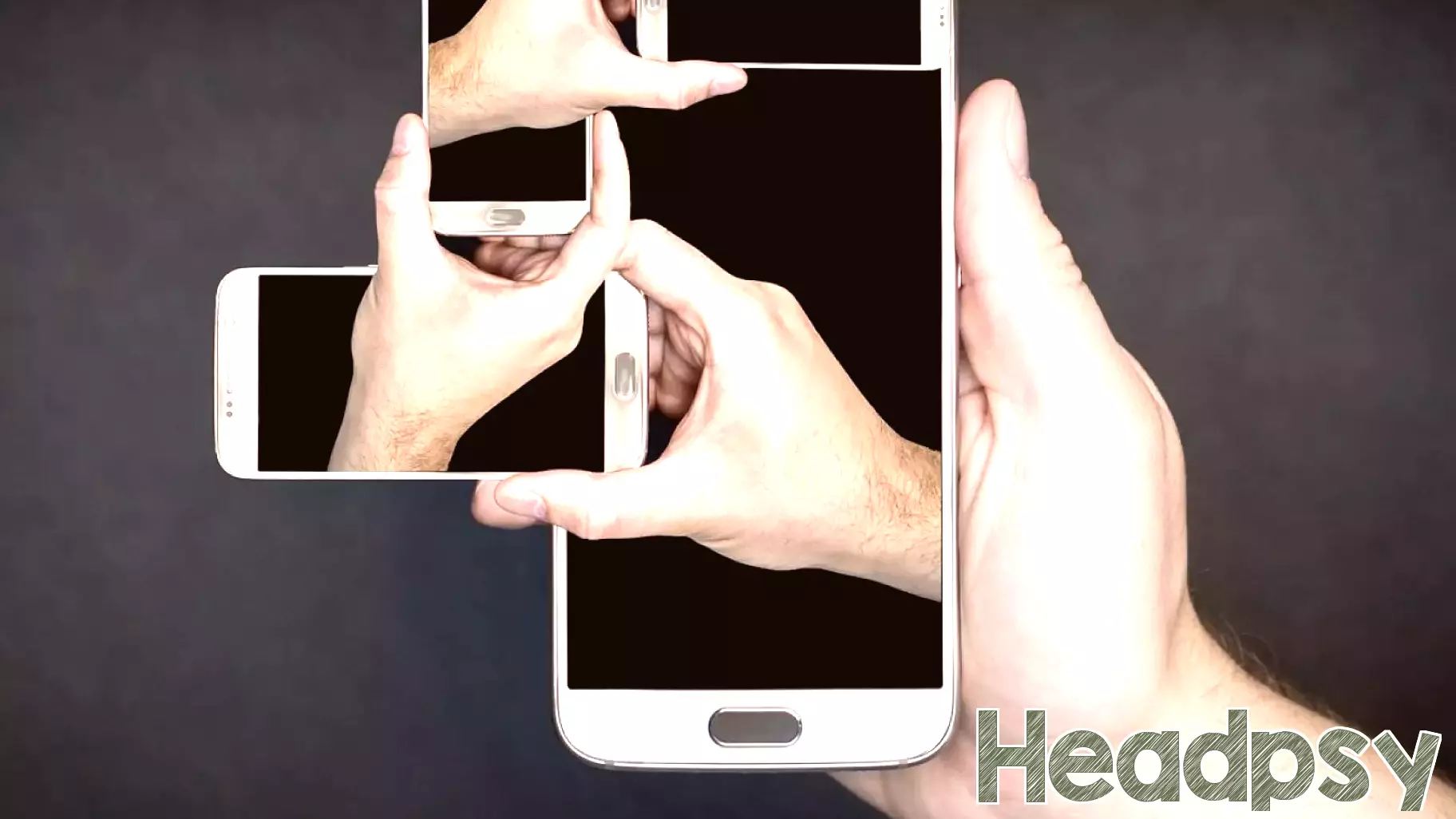
In today's digital age, nearly everyone engages with smartphones and social media platforms. However, recent research highlights that not all patterns of screen use are created equal, particularly concerning the mental health of adolescents. Studies indicate that excessive screen time, especially when it involves passive consumption of content, can lead to increased feelings of anxiety, depression, and loneliness among teenagers.
Adolescents who spend significant amounts of time on social media may be more susceptible to negative self-image and peer comparison, which can exacerbate mental health issues. Conversely, those who use screens for active engagement, such as connecting with friends or participating in online communities, may experience more positive outcomes.
Experts emphasize the importance of moderation and mindful usage of technology. Encouraging healthy screen habits, such as setting time limits and promoting offline activities, can help mitigate the adverse effects on mental health. As the digital landscape continues to evolve, understanding the nuances of screen use is crucial for supporting the well-being of younger generations.
MORE NEWS

October 5, 2026 - 00:51
Psychedelic Drugs Advance Toward FDA Approval as Federal Support GrowsPsychedelic substances such as psilocybin and LSD are moving closer to federal approval, marking a significant shift in how regulators and researchers view these once-stigmatized compounds....

October 4, 2026 - 15:10
Psychology says children who talk to themselves while playing may be doing more than just thinking out loudChildren often talk to themselves while solving a puzzle, playing make-believe or working through a difficult task. This self-directed language, known as private speech, may be more than simple...

October 3, 2026 - 22:25
Personality Trait Beats Test Scores in Predicting West Point Leadership SuccessA new meta-analysis of West Point cadets suggests that personality matters more than raw intelligence when it comes to leading troops. While standardized test scores remain a solid predictor of...
October 3, 2026 - 18:04
Study Finds the Human Brain May Function as Two Separate OrgansA recent study suggests that the human brain emerges from two separate organs, a discovery that may impact future treatments for neurodegenerative diseases and brain disorders. Researchers...