I Told the Bot, Not My Therapist
February 27, 2026 - 03:03
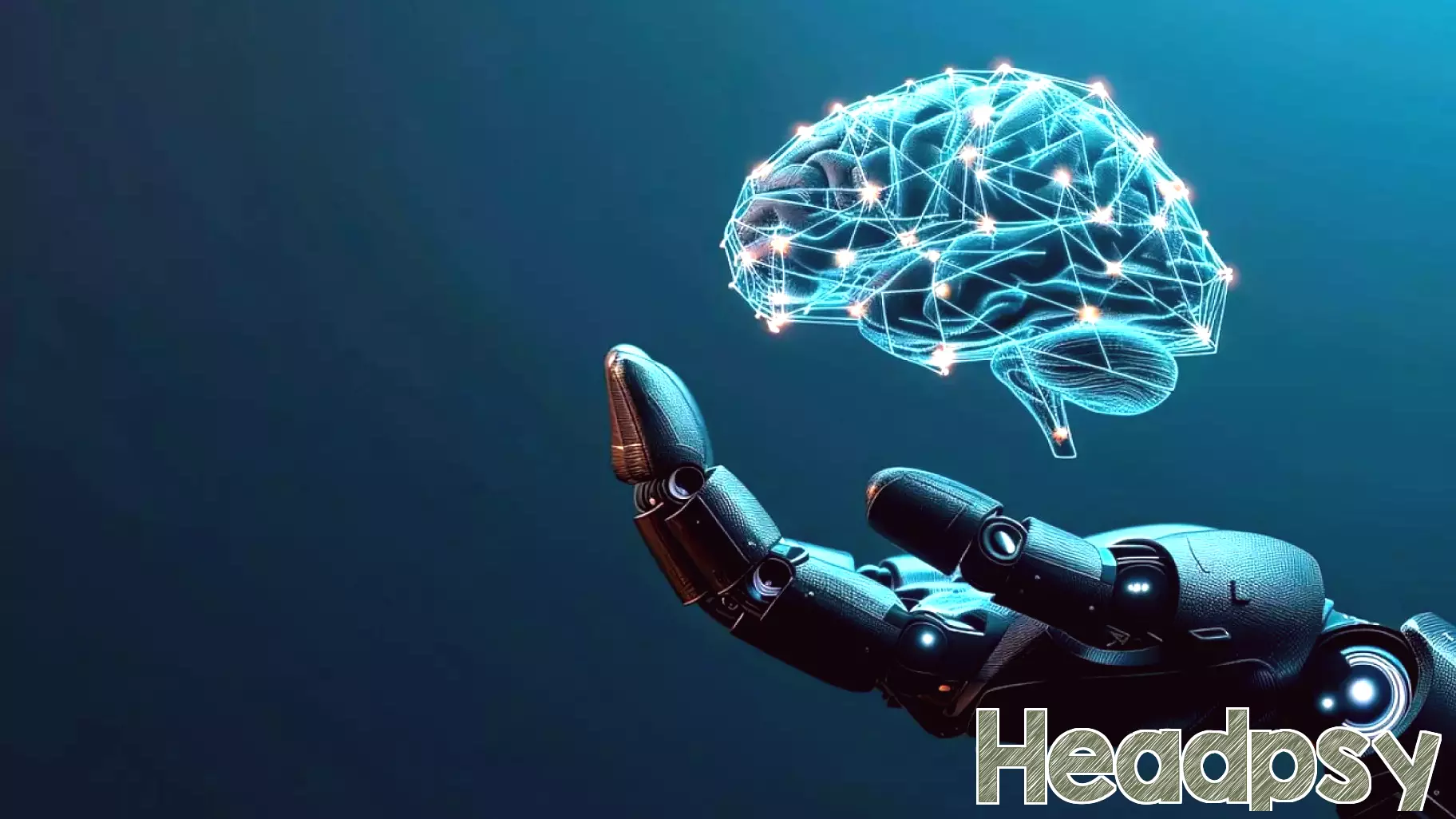
A quiet revolution is unfolding in mental wellness, as individuals increasingly turn to artificial intelligence for emotional support. The dynamic raises profound questions about the nature of therapy and what we sacrifice when human connection is replaced by algorithms.
Proponents highlight the undeniable benefits: immediate, 24/7 access without stigma or scheduling hurdles. For many, especially those testing the waters of self-reflection, an AI provides a non-judgmental sounding board. It offers a space to articulate fears and anxieties freely, which can be a valuable first step toward self-awareness. The technology’s ability to offer grounding exercises and cognitive behavioral techniques is also noted as a useful tool.
However, critics voice significant concerns. A chatbot, no matter how sophisticated, lacks genuine human empathy, lived experience, and the ability to perceive non-verbal cues. It operates on patterns, not true understanding. This absence of human judgment, while feeling safe, may also mean a lack of necessary challenge or nuanced guidance that fosters real growth. There is a risk of oversimplifying complex human emotions into predictable scripted responses.
Ultimately, the shift underscores a growing demand for mental health resources. While AI chatbots may serve as an accessible supplement, they highlight the irreplaceable value of authentic human connection in the therapeutic process—a connection built on shared humanity, not just data processing. The future likely lies not in replacement, but in defining the appropriate role for each.
MORE NEWS
October 10, 2026 - 05:13
Loneliness Tied to Distress and Binge Watching in Parents of Emigrated ChildrenA study from the National Institute of Mental Health and Neurosciences has found that loneliness among parents whose children have emigrated is closely tied to psychological distress, difficulties...

October 9, 2026 - 18:58
Havana Syndrome: What We Know a Decade LaterMore than ten years have passed since US diplomats and intelligence officers in Havana, Cuba, began reporting a strange cluster of symptoms. The first cases appeared in late 2016. People described...

October 9, 2026 - 06:23
What Sunderland Can Learn From Elite Swimming PsychologySunderland`s season has shown how quickly momentum can shift in the Championship. One week the team looks unstoppable, the next it struggles to hold a lead. While tactics and fitness get most of...

October 8, 2026 - 19:48
Why Vacation Strangers Can Feel Like Instant FriendsMeeting someone on vacation and feeling an immediate bond is a common experience, and psychology offers clear reasons for it. Experts describe a phenomenon often called `strangers on a train,`...