Healing After Disaster: A Personal Journey for Every Survivor
February 9, 2026 - 07:47

In the aftermath of a traumatic event, a common narrative often emerges, suggesting a uniform path to mental recovery. However, the reality of healing is far more personal and varied. Experts emphasize that there is no single timeline or correct method for processing grief, loss, or fear following a disaster.
Individuals cope and recover at profoundly different paces. For some, the emotional impact may surface immediately, while for others, it can emerge weeks, months, or even years later. Both responses are normal and valid. The mechanisms for healing are equally diverse. One person may find solace and strength in community gatherings and talking openly, while another may require quiet solitude, creative expression, or physical activity to process their experience.
This variability means that comparing one's own recovery to another's can be detrimental. Pressuring survivors to "move on" by a certain date or to engage in specific therapies misunderstands the complex nature of psychological healing. Acknowledging this spectrum of recovery is crucial for providing appropriate support. True community resilience is built by creating space for every unique healing journey, free from judgment or rushed expectations, allowing each individual the time and method they need to find their footing again.
MORE NEWS

September 23, 2026 - 23:48
Men with less modest self-views are more likely to feel victimized and support men's rights activismNew research points to a specific personality trait that helps explain why some men feel their gender is under attack. The study found that low trait modesty, meaning a tendency to view oneself as...

September 23, 2026 - 02:26
Why Interruptions Feel Like a Personal AttackUnexpected interruptions, even if brief, can severely disrupt an individual`s thought process and workflow. Studies demonstrate that even momentary distractions can lead to increased mistakes and...

September 22, 2026 - 04:03
Psychology says people who struggle to confront others may be running a powerful risk calculationAvoiding a confrontation can be the safest and most sensible choice when a situation feels threatening. The pattern becomes more psychologically meaningful when someone consistently struggles to...
September 21, 2026 - 13:23
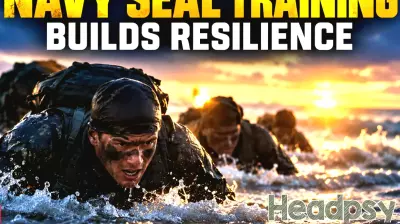
How Navy SEAL Training Shows Resilience Can Be Built, Not Just BornUS Navy SEAL training reveals that resilience is not an innate quality people either have or lack. Instead, it can develop over time. Psychological traits like hardiness and grit adapt during...