Handling Regrets Mindfully and Usefully
February 9, 2026 - 22:54

We all carry the weight of past decisions, replaying moments where we wish we had chosen differently. These feelings of regret, while often painful, are a universal part of the human experience. Rather than allowing them to fester as sources of shame or endless rumination, we can learn to approach our regrets mindfully and transform them into powerful tools for self-understanding.
The key lies in shifting perspective. Instead of viewing a regret as a permanent failure, we can see it as a signal—a clear message about our values, desires, and boundaries. By examining a regret with curiosity, we ask: What does this feeling tell me about what I truly care about? What unmet need or core value was at stake in that situation?
This reflective process extracts useful data for the future. A regret over a missed opportunity might highlight a deep-seated passion we’ve neglected. Remorse over a spoken harsh word can reinforce the importance of compassion and patience in our relationships. Each regret holds a lesson about the person we aspire to be.
Ultimately, mindful handling of regret is not about erasing the past, but about integrating its lessons. It allows us to acknowledge our imperfections with self-compassion while making more aligned and conscious choices moving forward. By listening to our regrets, we chart a wiser course ahead, building a future informed by the very experiences we once wished to change.
MORE NEWS

September 23, 2026 - 23:48
Men with less modest self-views are more likely to feel victimized and support men's rights activismNew research points to a specific personality trait that helps explain why some men feel their gender is under attack. The study found that low trait modesty, meaning a tendency to view oneself as...

September 23, 2026 - 02:26
Why Interruptions Feel Like a Personal AttackUnexpected interruptions, even if brief, can severely disrupt an individual`s thought process and workflow. Studies demonstrate that even momentary distractions can lead to increased mistakes and...

September 22, 2026 - 04:03
Psychology says people who struggle to confront others may be running a powerful risk calculationAvoiding a confrontation can be the safest and most sensible choice when a situation feels threatening. The pattern becomes more psychologically meaningful when someone consistently struggles to...
September 21, 2026 - 13:23
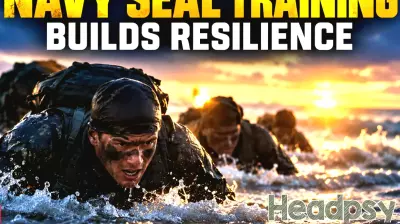
How Navy SEAL Training Shows Resilience Can Be Built, Not Just BornUS Navy SEAL training reveals that resilience is not an innate quality people either have or lack. Instead, it can develop over time. Psychological traits like hardiness and grit adapt during...