Frontiers | The role of positive affect in the relationship between neuroticism, self-esteem, and emotional clarity in adolescents
March 24, 2026 - 10:18

A new study explores how positive feelings might act as a buffer for adolescents with high neuroticism, potentially improving their self-esteem and emotional clarity. The research investigates the complex interplay between these key psychological factors during the turbulent teenage years.
Neuroticism, a personality trait characterized by a tendency toward anxiety, sadness, and emotional instability, is often linked to poorer emotional clarity—the ability to identify and understand one's own feelings. This can be particularly challenging during adolescence, a critical period for emotional development. The study posits that self-esteem may be a crucial mediator in this relationship.
However, the findings introduce a significant protective element: positive affect. The research indicates that adolescents with higher levels of daily positive emotions may experience a weaker link between neuroticism and low self-esteem. This suggests that fostering joy, interest, and contentment could help interrupt the cycle where neuroticism undermines how teens feel about themselves.
Ultimately, the study highlights that promoting positive emotional experiences is not merely about feeling good in the moment. For teens prone to worry and sadness, these experiences may be a vital developmental tool, bolstering their self-worth and providing clearer insight into their emotional world, thereby supporting better long-term mental health.
MORE NEWS

September 20, 2026 - 23:18
Understanding Chronic Traumatic Encephalopathy and Its Warning SignsChronic traumatic encephalopathy, commonly known as CTE, has become a growing concern in the world of contact sports and beyond. Once considered a rare condition, research now suggests it may be...

September 20, 2026 - 16:38
Psychology says people who fold the towel back the way they found it share 6 traits that predict a long marriageMost people wouldn`t think about the towel. This person can`t not think about it. The way a towel is folded and placed back on the rack might seem like a minor detail in the grand scheme of a...

September 19, 2026 - 17:49
Rethinking the Baby Bag: A New Look at Maternal AmbivalenceA candid conversation has brought fresh attention to the complicated emotional world of motherhood, using a simple metaphor to capture what many parents feel but rarely say out loud. The idea,...
September 19, 2026 - 06:38
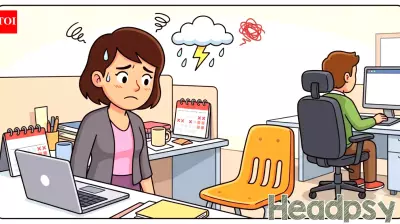
Someone took your usual office chair? Psychology explains why it can feel strangely unsettlingYou walk into the office, glance across the room and stop. Someone is sitting in your chair. It is a small thing, objectively. It is just a piece of furniture. Yet the feeling that washes over you...