Fostering Resilience in Today's Teens
April 5, 2025 - 16:09
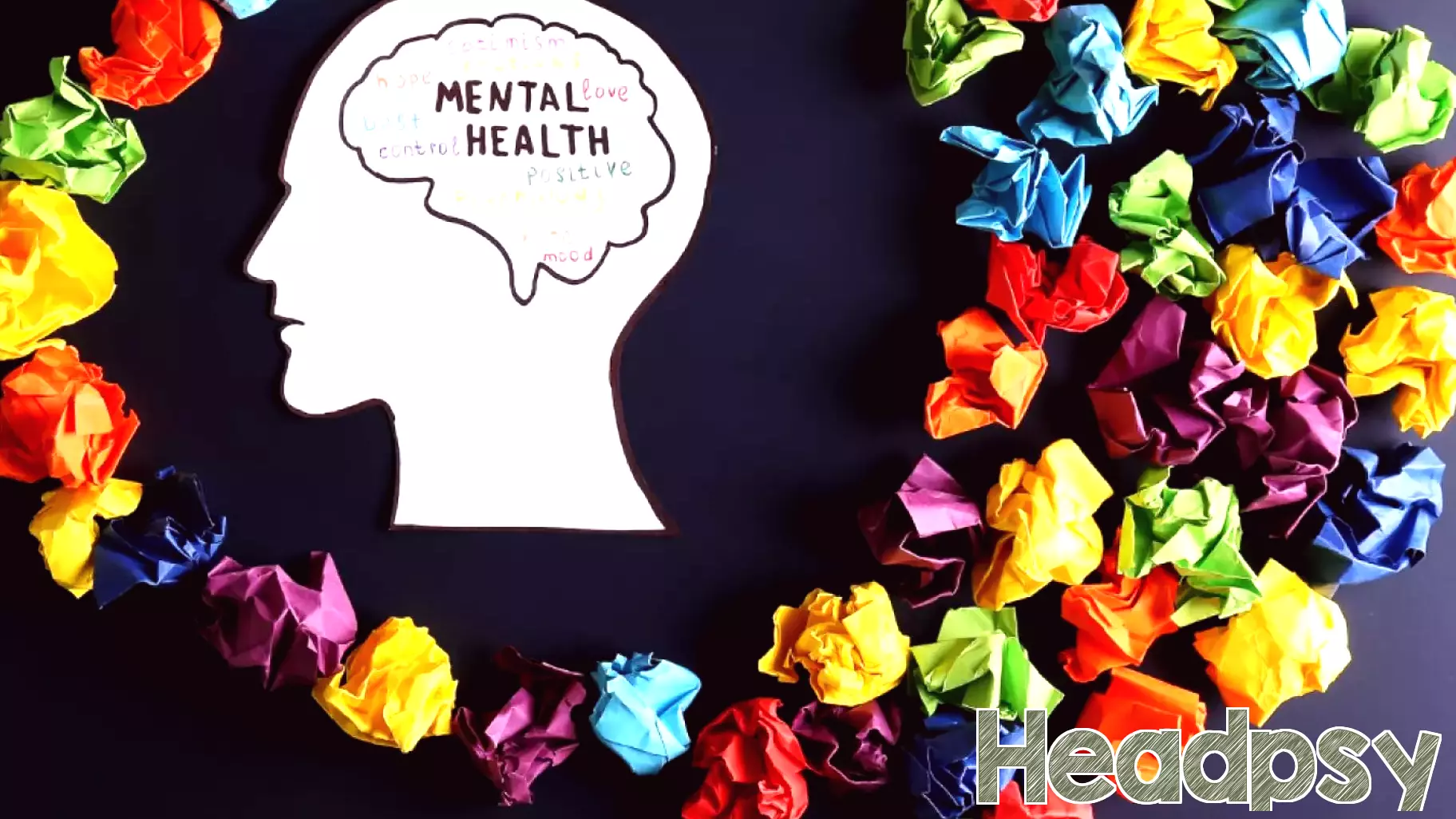
In an era marked by increasing mental health challenges and social pressures, supporting the growth of teenagers has become more crucial than ever. Parents and caregivers play a vital role in helping teens navigate these turbulent times by fostering resilience and encouraging safe risk-taking.
Building resilience involves teaching teens to adapt and bounce back from setbacks. This can be achieved by promoting problem-solving skills and encouraging them to face challenges head-on. Additionally, setting clear boundaries provides a sense of security, allowing teens to understand expectations and the consequences of their actions.
Modeling healthy habits is equally important. By demonstrating positive behaviors such as regular exercise, balanced nutrition, and effective stress management, adults can influence teens to adopt similar practices.
In this complex world, equipping teenagers with the tools they need to thrive is essential. By focusing on resilience, safe exploration, and healthy lifestyle choices, we can help shape a generation capable of facing the future with confidence and strength.
MORE NEWS

October 5, 2026 - 00:51
Psychedelic Drugs Advance Toward FDA Approval as Federal Support GrowsPsychedelic substances such as psilocybin and LSD are moving closer to federal approval, marking a significant shift in how regulators and researchers view these once-stigmatized compounds....

October 4, 2026 - 15:10
Psychology says children who talk to themselves while playing may be doing more than just thinking out loudChildren often talk to themselves while solving a puzzle, playing make-believe or working through a difficult task. This self-directed language, known as private speech, may be more than simple...

October 3, 2026 - 22:25
Personality Trait Beats Test Scores in Predicting West Point Leadership SuccessA new meta-analysis of West Point cadets suggests that personality matters more than raw intelligence when it comes to leading troops. While standardized test scores remain a solid predictor of...
October 3, 2026 - 18:04
Study Finds the Human Brain May Function as Two Separate OrgansA recent study suggests that the human brain emerges from two separate organs, a discovery that may impact future treatments for neurodegenerative diseases and brain disorders. Researchers...