Exploring Gentle Alternatives to Ferber Method in Sleep Training
August 14, 2025 - 14:01
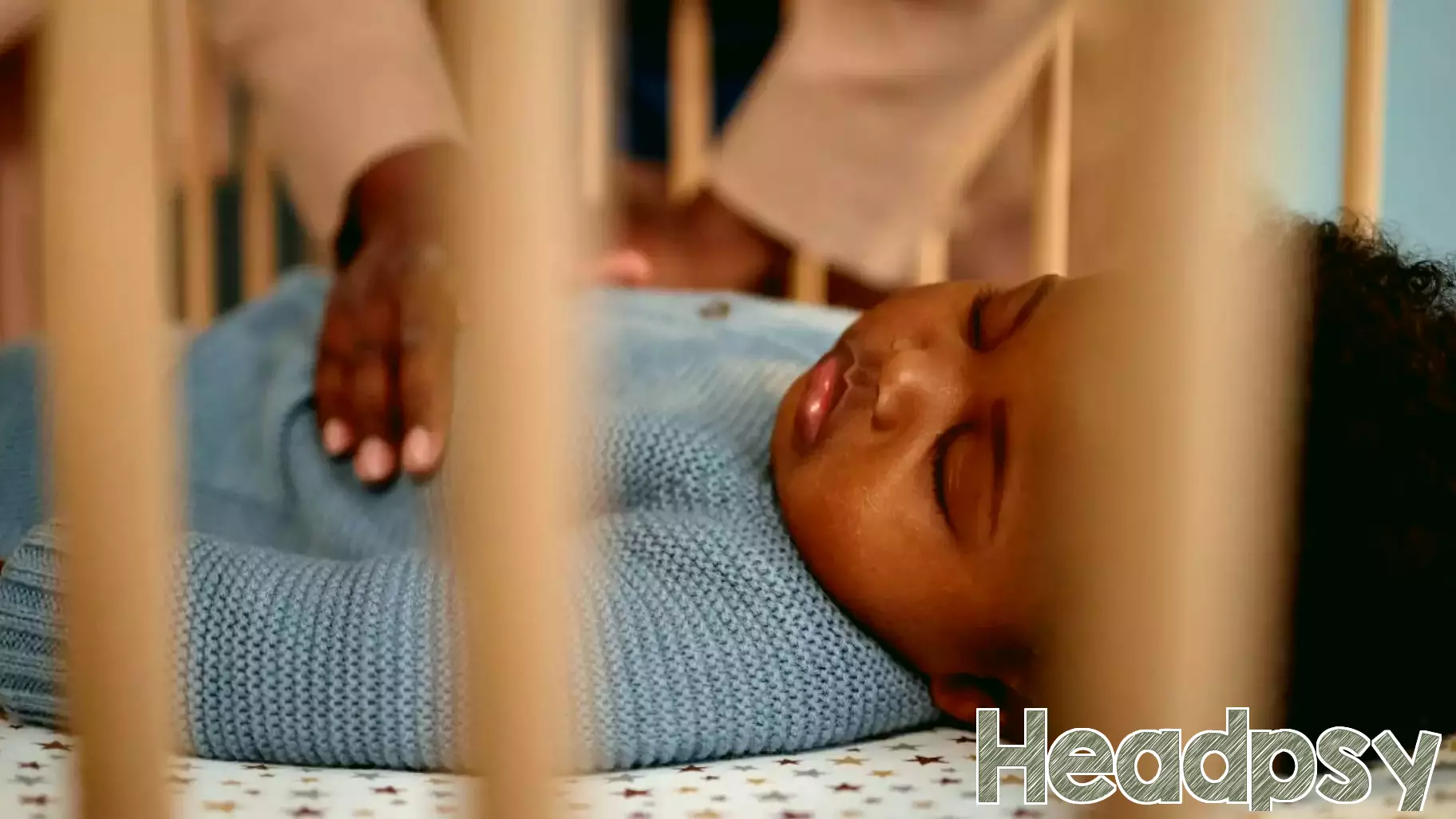
The Ferber method has long been viewed as a go-to strategy for sleep training, yet many parents express dissatisfaction with its approach. While it may be effective for some, the method's reliance on letting children cry it out can be distressing for both parents and infants. Fortunately, there are evidence-based alternatives that offer a gentler path to establishing healthy sleep habits without the need to leave children alone in their cribs.
One such alternative is the gradual sleep training method, which focuses on slowly reducing parental involvement in the sleep process. This approach allows parents to remain present and provide comfort, gradually encouraging children to learn self-soothing techniques. Research indicates that this method can lead to positive sleep outcomes without the emotional turmoil often associated with the Ferber method.
Parents seeking a more compassionate approach to sleep training can explore these alternatives, ensuring that both they and their children feel secure and supported during the transition to independent sleep.
MORE NEWS

October 5, 2026 - 00:51
Psychedelic Drugs Advance Toward FDA Approval as Federal Support GrowsPsychedelic substances such as psilocybin and LSD are moving closer to federal approval, marking a significant shift in how regulators and researchers view these once-stigmatized compounds....

October 4, 2026 - 15:10
Psychology says children who talk to themselves while playing may be doing more than just thinking out loudChildren often talk to themselves while solving a puzzle, playing make-believe or working through a difficult task. This self-directed language, known as private speech, may be more than simple...

October 3, 2026 - 22:25
Personality Trait Beats Test Scores in Predicting West Point Leadership SuccessA new meta-analysis of West Point cadets suggests that personality matters more than raw intelligence when it comes to leading troops. While standardized test scores remain a solid predictor of...
October 3, 2026 - 18:04
Study Finds the Human Brain May Function as Two Separate OrgansA recent study suggests that the human brain emerges from two separate organs, a discovery that may impact future treatments for neurodegenerative diseases and brain disorders. Researchers...