Social Anxiety in the Digital Era: How Social Media Impacts Self-Perception
8 August 2026
Social anxiety has always been a challenge for many people, but the rise of social media has taken it to a whole new level. Ever found yourself constantly checking likes, comments, or followers? Or maybe you've felt that twinge of self-doubt after scrolling through someone else's perfectly curated feed? You're not alone.
In a world where our lives are now broadcast online, the pressure to appear "perfect" has skyrocketed—often at the cost of our mental well-being. Let’s dive into how social media is shaping our self-perception and, in some cases, fueling social anxiety.
The Rise of Social Anxiety in the Digital Age
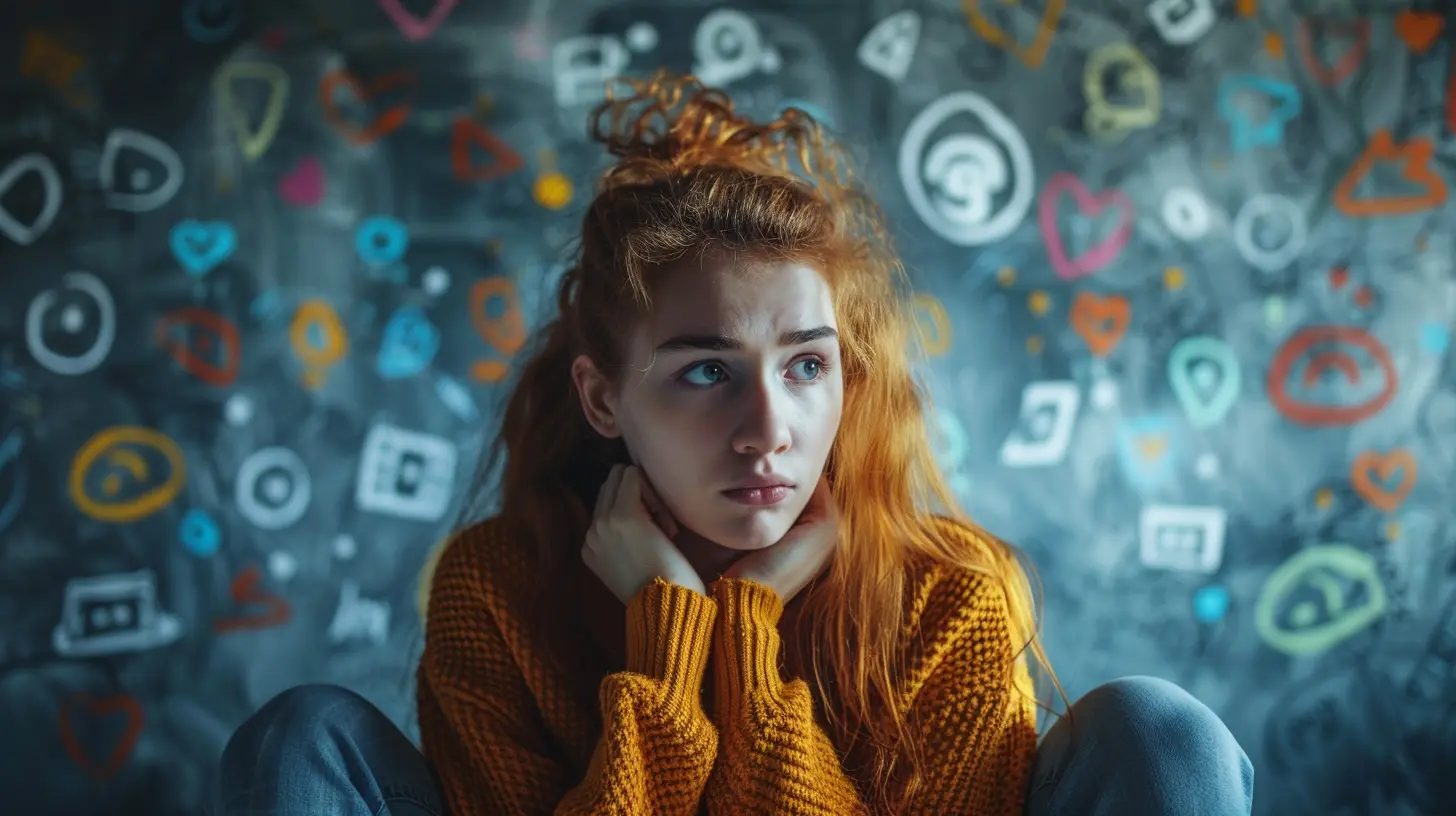
Social anxiety isn’t just about being nervous in social settings—it’s a deeper fear of judgment, embarrassment, or rejection. While this has always existed, social media has amplified these fears by creating a space where we are constantly evaluating ourselves based on others' lives.Think about it: before social media, our social interactions were limited to face-to-face meetings, phone calls, or maybe text messages. Now, every aspect of our lives can be scrutinized, compared, and even criticized online. This creates a never-ending cycle of self-doubt and anxiety that many people struggle to escape.
How Social Media Impacts Self-Perception
1. The Comparison Trap
It’s human nature to compare ourselves to others. But social media takes this to an extreme. Instead of comparing ourselves to a few people in our real-world circles, we're now measuring ourselves against influencers, celebrities, and even our peers who only show their highlight reels.Scrolling through endless photos of perfect vacations, flawless selfies, or career milestones can make us feel like we’re falling behind. The truth? Most of what we see is heavily edited or carefully curated to look picture-perfect. But our brains don’t always register that—leading to unnecessary feelings of inadequacy.
2. The Pressure to Present a "Perfect" Life
Social media makes it seem like everyone has it all figured out. Posting about struggles, failures, or everyday mundane moments? Not so common. Instead, we see polished versions of reality, making us feel like we need to keep up.This leads to "performance anxiety" in a digital sense—where we feel pressured to post only the best parts of our lives, filter our photos, and create an illusion of happiness. Over time, this disconnect between our real selves and our online personas can create internal stress, making social anxiety worse.
3. Fear of Negative Feedback and Rejection
Ever hesitated to post something because you were worried about how people might react? Maybe you've deleted a post because it didn’t get as many likes as you expected? Social media has created a new form of validation where likes, shares, and comments dictate our self-worth.This fear of negative feedback can be paralyzing. It reinforces self-doubt, making us second-guess ourselves in both online and real-world interactions. With social media, social rejection isn't just in the moment—it’s permanent, visible, and can be replayed over and over again.
4. Social Media and the Fear of Missing Out (FOMO)
Let's be real—FOMO is real, and social media makes it 10 times worse. When you see friends hanging out without you, someone traveling to an exotic destination, or attending cool events, it can feel like everyone else's life is more exciting.FOMO fuels feelings of inadequacy, making us feel like we're not doing enough or that we're being left behind. This can trigger anxiety and even lead to compulsive social media use as we constantly check to make sure we’re not "missing out" on anything important.
5. The Impact of Cyberbullying
Cyberbullying has become a dark side of social media that worsens social anxiety. Unlike traditional bullying, cyberbullying can happen anytime, anywhere, and in front of a massive audience. Harsh comments, digital harassment, or even subtle exclusion can deeply affect someone's self-esteem.For those already struggling with social anxiety, cyberbullying can be devastating. Fear of criticism can make people even more hesitant to engage online, further isolating them from meaningful connections.
Breaking Free: How to Reduce Social Anxiety in the Digital Era
Social media isn’t inherently bad, but how we use it makes all the difference. Here are some practical ways to maintain a healthy relationship with social media and protect your mental health:1. Be Mindful of Your Social Media Use
Start by paying attention to how social media makes you feel. Do you feel drained, anxious, or self-conscious after scrolling? If so, it might be time to take a step back. Setting time limits or taking regular detoxes can help break the cycle of negativity.2. Follow Accounts That Uplift You
Instead of following accounts that make you feel inadequate, curate your feed to include pages that inspire, educate, or bring you joy. Positive content can help counteract the pressure and anxiety that social media often brings.3. Remember That Social Media Is Not Reality
It’s easy to forget that social media is just a highlight reel. Behind every perfect selfie or travel photo, there’s likely a dozen failed attempts, filters, and careful editing. Keeping this in mind can help you stop measuring your worth against unrealistic standards.4. Engage in Real-Life Social Interactions
Nothing beats real-world connections. Instead of relying on social media for validation, focus on building meaningful relationships offline. Spend time with friends and family, have real conversations, and engage in activities that bring you fulfillment.5. Set Boundaries for Social Media Engagement
Not everything needs to be shared online. Set personal boundaries on what you feel comfortable posting and avoid seeking validation from likes and comments. Unplug when needed, and find happiness outside of the digital world.6. Seek Professional Support If Needed
For some, social anxiety is more than just a digital struggle—it’s a real, overwhelming fear that affects daily life. If social media is significantly impacting your mental health, seeking help from a therapist can provide tools to manage anxiety in a healthier way.
Conclusion
Social media has changed the way we interact, but it’s not always for the better. While it allows us to stay connected, it also fuels self-doubt, comparison, and social anxiety. The key is to use social media intentionally—following positive accounts, setting boundaries, and reminding ourselves that online life isn’t always real life.If social media ever makes you feel "less than," remember that you are enough just as you are. Your value isn’t measured by likes, followers, or perfectly curated posts—it’s in the real connections you make and the person you are offline.
all images in this post were generated using AI tools
Category:
Social AnxietyAuthor:

Jenna Richardson
Discussion
rate this article
1 comments
Nell McPherson
This article offers valuable insights into the complex relationship between social media and self-perception. It highlights how digital interactions can intensify social anxiety, emphasizing the need for mindful engagement online. Understanding these dynamics is crucial for promoting healthier connections in our increasingly digital world. Thank you for sharing this important perspective.
August 8, 2026 at 3:32 AM