How Social Anxiety Can Lead to Avoidance Behaviors and How to Break the Cycle
18 August 2026
Let’s be honest—most of us have felt nervous walking into a room full of strangers or speaking up in a meeting. But for folks with social anxiety, that feeling isn’t just occasional—it’s overwhelming, all-consuming, and often ends in one thing: avoidance. You know, pulling the covers over your head when your friend suggests a party. Or ghosting that networking event you signed up for weeks ago. It might feel like a relief in the moment, but in the long run? Avoidance only makes things worse.
In this article, we’re diving deep into how social anxiety fuels avoidance behaviors and, more importantly, how to break free from this exhausting cycle. Ready to take the first step? Let’s go.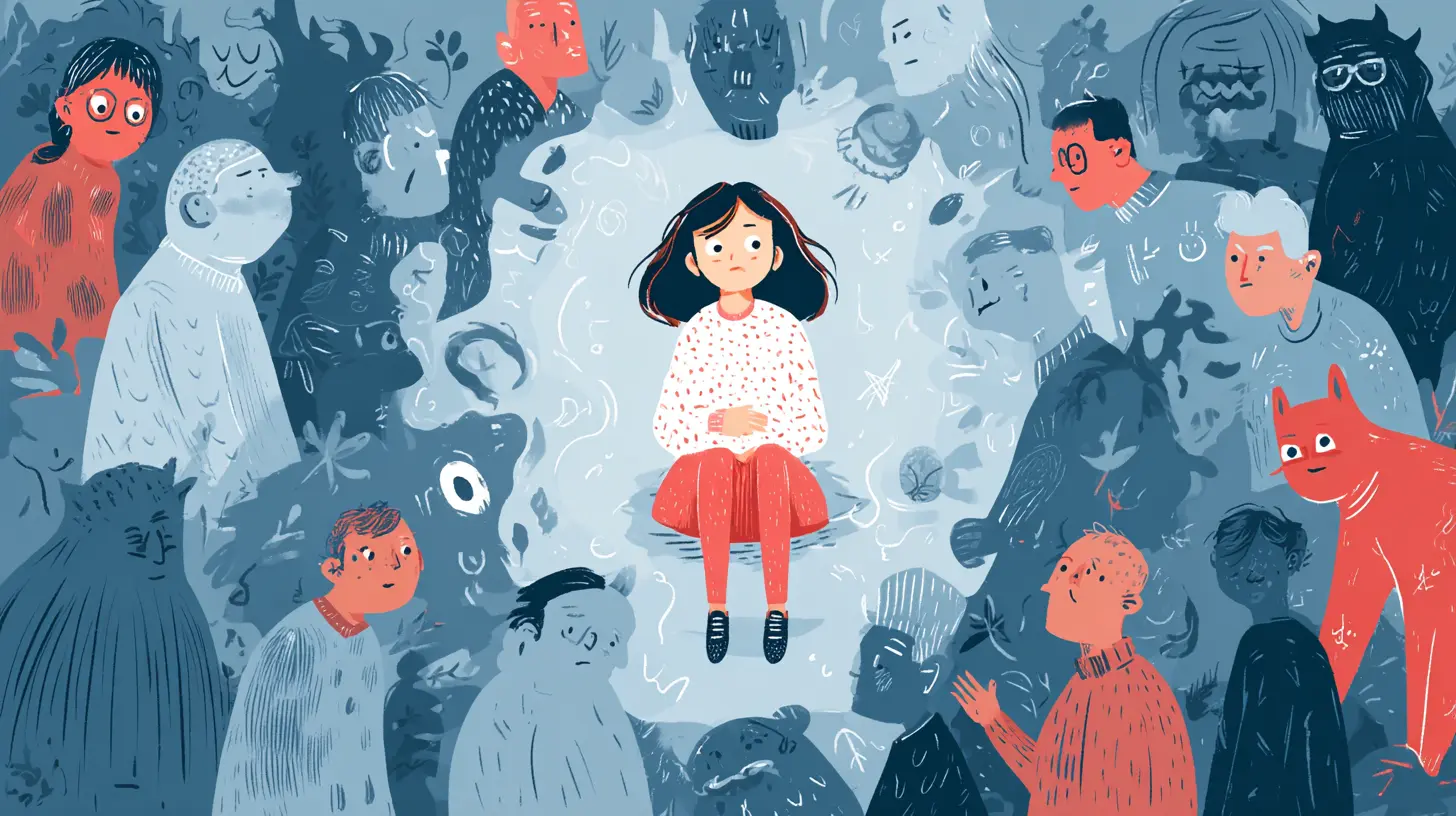
What Is Social Anxiety Disorder?
Before we get too ahead of ourselves, let’s clarify what we’re talking about. Social anxiety disorder isn’t just shyness or introversion. It's a mental health condition that causes intense fear or anxiety in social situations. People with social anxiety worry excessively about being judged, embarrassed, or rejected. That fear doesn’t go away with time—it often grows if left unaddressed.Think about it like this: if you’ve ever stood in front of a crowd and suddenly couldn't remember your own name, social anxiety often feels like that but in everyday interactions—ordering coffee, saying hello to a neighbor, or raising your hand in class.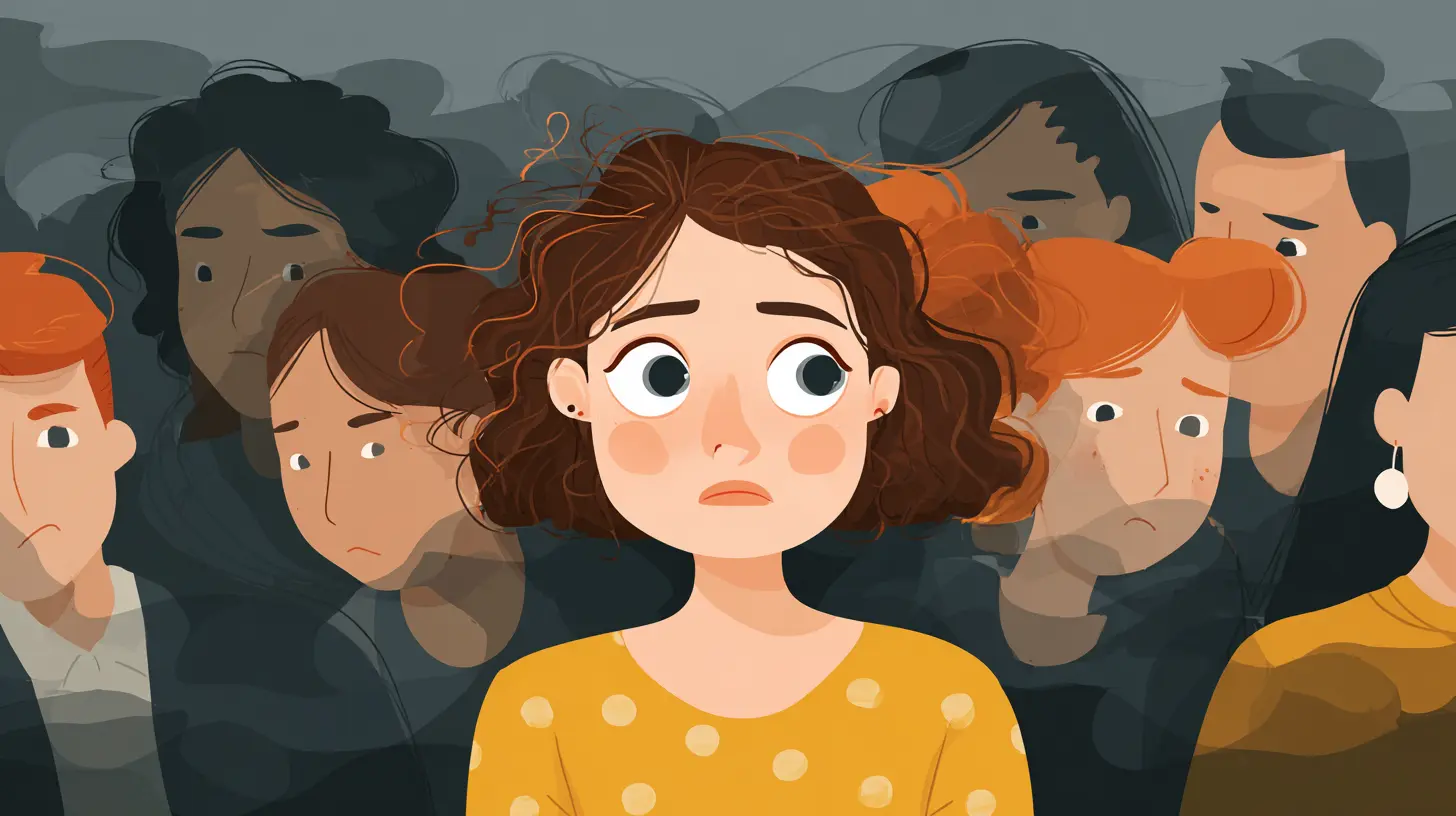
Avoidance: The Comfort Blanket That Hurts You
Avoidance is the brain’s favorite shortcut. When you're anxious about something, your instincts tell you to avoid it—because avoiding danger helps you survive, right? In prehistoric times, maybe. But in the modern world, especially with social anxiety, avoidance becomes a trap.Say you skip a get-together because you're afraid you'll say something awkward. At first, you feel major relief. But then what happens? The anxiety shows up again the next time — maybe even stronger.
Avoidance reinforces the fear. It sends a message to your brain that, “Yes, this situation is dangerous. We must run!” Over time, your world starts to shrink. You see friends less, avoid dating, pass on job opportunities, and miss out on life. That’s how the cycle begins.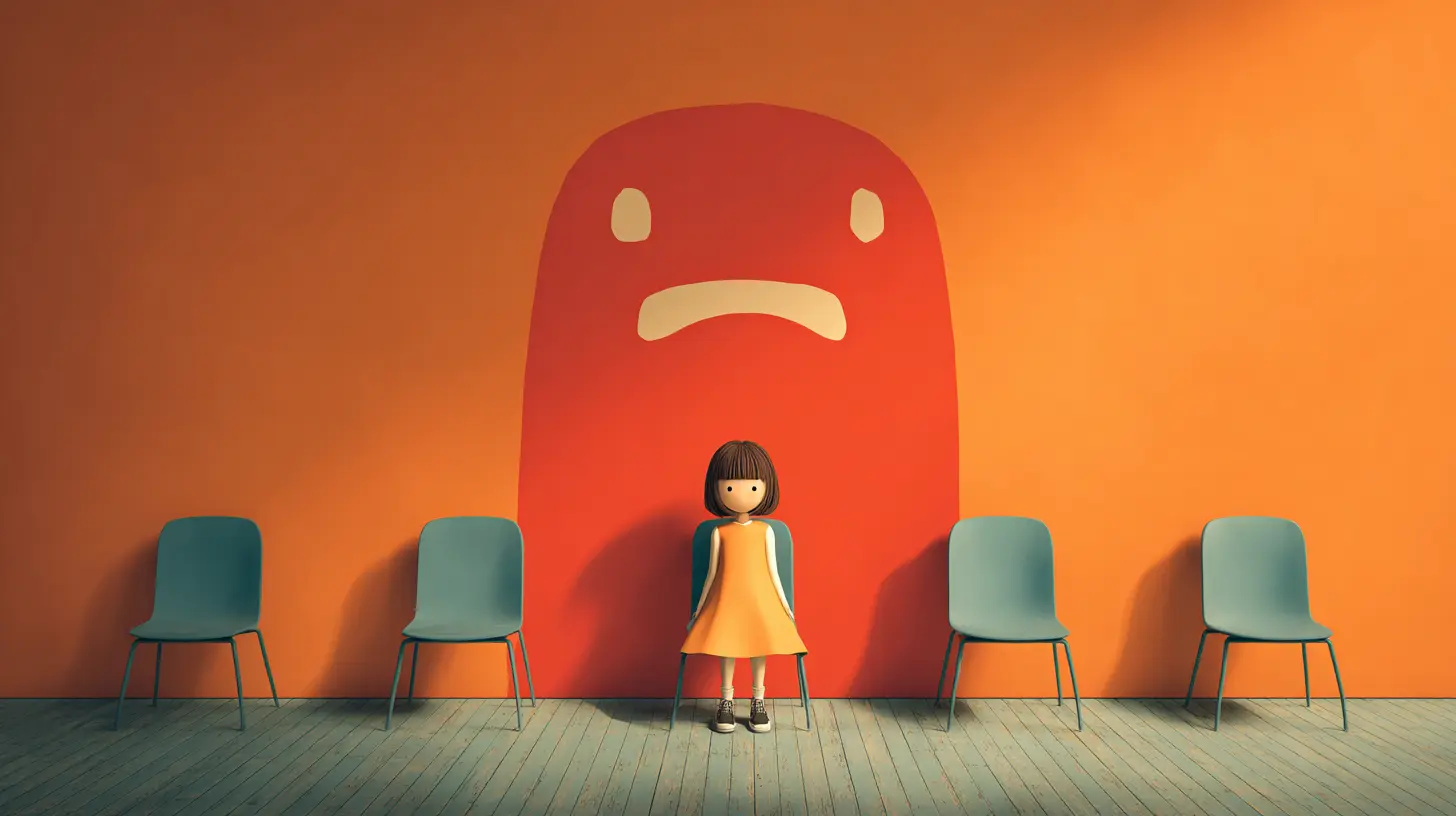
The Vicious Cycle of Social Anxiety and Avoidance
Let’s break it down.1. You Anticipate a Social Situation
Your brain lights up like a Christmas tree: “What if they laugh at me? What if I say something dumb?” Boom—anxiety kicks in.2. You Avoid the Situation
You cancel plans, stay home, or find an excuse. Relief washes over you—thank goodness, right?3. Short-Term Relief Reinforces Long-Term Anxiety
Because nothing “bad” happened, your brain thinks avoiding worked. But that belief gets stronger each time. Your fear becomes more fragile—and your confidence takes a hit.4. The Anxiety Grows
With fewer social experiences, your social skills atrophy. Self-doubt builds. Next time, it's even harder to say “yes.”You see the problem? Each step feeds into the next, like a hamster wheel you can’t seem to escape.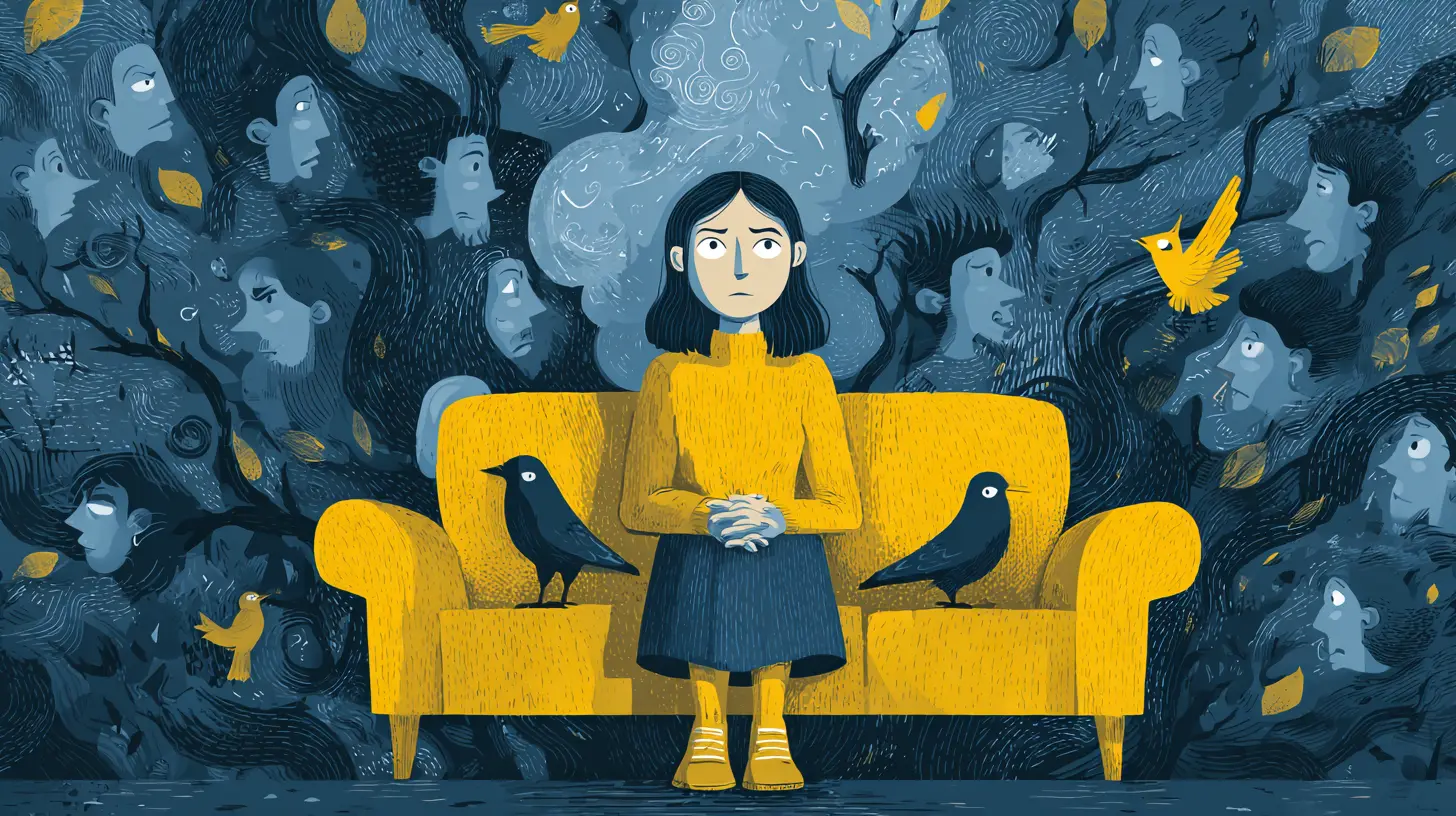
Common Avoidance Behaviors Linked to Social Anxiety
Let’s call them out loud. Some of these may sound all too familiar:- Canceling plans last minute
- Not speaking up in meetings or class
- Avoiding eye contact
- Skipping parties or group events
- Not answering phone calls or texts
- Letting relationships fizzle out
- Never volunteering for anything
- Over-preparing or procrastinating to avoid judgment
- Drinking alcohol to "take the edge off" in social settings
While these behaviors feel protective, they only serve to deepen feelings of isolation and fear.
Why Breaking the Cycle Feels So Hard
Honestly? Because it's scary. Avoidance gives you a sense of safety. Facing social fears feels like jumping off a cliff without knowing what’s at the bottom. But here's the raw truth: growth lives on the other side of discomfort.Also, let’s not forget that social anxiety isn’t just a mental pattern—it’s physical too. You might blush, sweat, tremble, or feel like your heart's about to explode. So yeah, unlearning avoidance takes more than just "thinking positive."
How to Break the Cycle: Step By Step
There’s no magic switch—but there is a way out. Let's talk strategy.1. Start by Acknowledging Your Anxiety
It begins here. Name it. Own it.Being aware of your anxious triggers and related behaviors is the first big win. Keep a journal or notes on your phone where you log the situations that spike anxiety and how you responded. This helps you see patterns—and patterns are where change starts.
2. Challenge Negative Thoughts
Anxiety loves to whisper lies: “You’ll embarrass yourself.” “They’ll think you’re boring.” Practice talking back.Ask yourself:
- “What’s the worst that could happen?”
- “What’s more likely to happen?”
- “Have I felt this before and survived?”
When you start examining those fears, they lose some of their power.
3. Try Exposure, Bit by Bit
This part’s critical. You need to face the fear—but slowly, in digestible chunks (Think baby steps over bold leaps).If talking to a stranger at a party feels impossible, maybe start by just making eye contact or saying a quick “Hi” to the cashier. The point is to stretch your comfort zone without snapping it.
Use an exposure hierarchy—basically a ladder of anxiety-inducing situations ranked from least to most scary. Climb it gradually.
4. Replace Avoidance with Assertive Action
Instead of dodging that phone call, pick up—even if your heart’s racing. Instead of canceling dinner out, go for 20 minutes and leave early if needed.Each small step trains your brain: “Hey, I did that. I can do this again.”
5. Practice Mindfulness and Grounding Techniques
When anxiety hits, grounding yourself matters.Techniques like:
- Deep breathing (inhale 4 seconds, hold 4, exhale 6)
- Body scanning (focus attention on each body part, slowly)
- 5-4-3-2-1 method (Name 5 things you see, 4 feel, 3 hear, 2 smell, 1 taste)
These can help you stay present instead of spiraling into the “what ifs.”
6. Reject Perfectionism
No one is watching you as closely as you think. Seriously. People are busy worrying about themselves. Let go of the idea that you need to say the perfect thing or come off flawless. Connection beats perfection every time.7. Seek Support
You're not meant to do this alone.Whether it’s a therapist, support group, or a trusted friend, having someone to walk with you through this process can make all the difference. Social anxiety isn't a weakness—it's a challenge. And challenges are easier with support.
Cognitive behavioral therapy (CBT) is especially effective. Therapists can help you reframe anxious thoughts, structure exposure tasks, and track your progress.
Replacing Avoidance With Connection
Let’s paint a new picture—one where you engage more, connect deeper, and show up for yourself without that inner critic running the show.That’s the endgame here: reclaiming your life from fear. Not by pretending you’re not anxious—but by refusing to let that anxiety call the shots anymore.
You can build real confidence—not the fake, social media kind—but the kind that comes from doing hard things, surviving awkward moments, and realizing you’re still okay. Even better? You’re growing.
Final Thoughts
Social anxiety and avoidance create a loop that can trap you for years, but it’s a loop you can break. It won’t happen overnight, and it won’t always feel good. But with self-awareness, practice, and support, you can start facing what scares you—and feel proud of every tiny step forward.And guess what? Each time you say “yes” instead of hiding, you’re rewiring your brain. You’re proving to yourself that courage doesn’t mean the absence of fear—it means choosing action in its presence.
So, next time anxiety urges you to escape, ask yourself: “What if I try it anyway?”
Because you’ve got this. And you’re not alone.
all images in this post were generated using AI tools
Category:
Social AnxietyAuthor:

Jenna Richardson
Discussion
rate this article
1 comments
Faryn Klein
Great article! It's so important to recognize how social anxiety can shape our choices. Remember, taking small steps can break the cycle. You're not alone in this journey, and each little effort counts. Keep going; brighter days are ahead!
August 23, 2026 at 2:56 PM
Jenna Richardson
Thank you for your thoughtful comment! I completely agree-small steps can make a big difference. Let's continue to support each other on this journey.