The Healing Impact of Shared Stories in Group Therapy
2 May 2026
We’re all storytellers, whether we realize it or not. From recounting what happened at work today to reflecting on childhood memories, our lives are made of stories. But what happens when those stories are shared in a safe space, surrounded by others who not only listen but really get it? That’s where group therapy steps in—and where the magic begins.
In this article, we're diving deep into the emotional power and transformative healing that comes from shared stories in group therapy. This isn’t just talk—it’s therapy with heart, backed by psychology and wrapped in human connection.

What Is Group Therapy, Really?
Let’s break it down. Group therapy is a form of psychotherapy where one or more therapists work with several participants at the same time. But don’t picture a cold, uncomfortable setting with strangers eyeing each other uncomfortably. Think of it more like a circle of support, a space where individuals who may be struggling with similar issues come together to speak, listen, and heal.It’s like group fitness for your emotional well-being—you're not doing all the heavy lifting alone.

Why We’re Wired for Storytelling
Ever noticed how a good story can make time disappear? Or how sharing something personal makes you feel just a bit lighter?That’s because stories are hardwired into our brains. Stories help us make sense of our experiences. They organize chaos. And most importantly, they connect us.
From a psychological perspective, narrative therapy leans into this. It suggests that by telling and re-telling our personal stories, we can reshape our identities and rewrite harmful beliefs. Now imagine taking that idea into a setting where others are doing the exact same thing. That’s when stories become bridges.
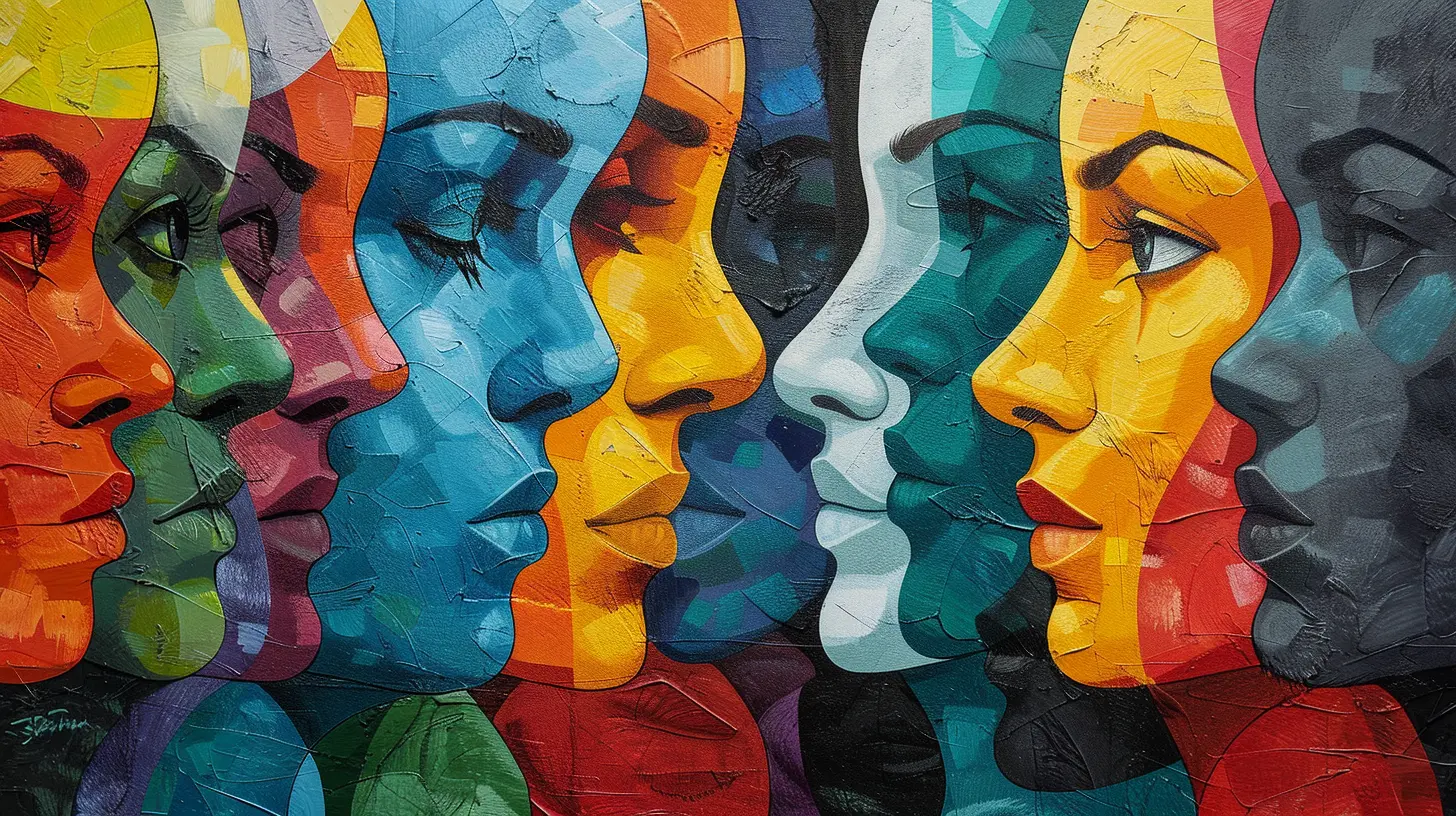
The Power of Hearing “Me Too”
Have you ever shared something painful, only to be met with silence because no one really knew what to say? It's isolating, right?But in group therapy, when you share your story, chances are, someone nods. Someone says, “That happened to me too.” And suddenly, you’re not alone. That moment of shared experience can be unbelievably powerful.
In fact, that simple validation—someone else has felt exactly how you feel—can kickstart healing in ways that individual therapy sometimes can’t.
Breaking Down the Walls of Shame
Shame thrives in silence. The less we talk about what makes us feel ashamed, the heavier it gets.But when one person in a group dares to open up about their shame and the group responds with empathy instead of judgment? That’s how shame loses its grip. It's like someone turning on the light in a dark room. You realize you're not the only one stumbling around.
Group therapy turns secrets into shared experiences, giving people the courage to speak things they've never said out loud before. And that’s healing in its rawest form.

Shared Stories as Emotional Mirrors
Ever heard the phrase “you can't see the label from inside the jar”? Sometimes, we’re too close to our own experiences to understand them. Listening to someone else share a story similar to yours can be like holding up a mirror.You start to recognize patterns. You notice emotions you buried. And sometimes, you get a glimpse of what healing could actually look like.
This reflective process can shift your perspective. You may realize you've been hard on yourself or overlooking your own strength. Other people’s stories can awaken compassion—not just for them but for yourself too.
Creating a Sense of Belonging
One of the deepest human needs is to feel like we belong. Unfortunately, mental health struggles often make people feel like outsiders.Group therapy flips that narrative. By sharing stories and hearing others, participants begin to see their pain not as a personal failure but as a shared human experience.
This sense of belonging can be life-changing. For many, it’s the first time they feel truly seen—not for the masks they wear, but for who they really are underneath.
Building a Support Network
Let’s face it—healing is hard, and sometimes, doing it alone just doesn’t cut it.Group therapy creates a built-in support network. Members cheer each other on, offer feedback, and even hold each other accountable. Over time, these relationships grow stronger, and the group becomes a crucial pillar in each person’s recovery journey.
It's like having co-pilots on a turbulent flight—you may not avoid the bumps, but you're definitely not crashing alone.
The Therapist’s Role in Guiding the Narrative
While the group dynamics are central, the therapist plays a vital role too. Think of them as the conductor of an orchestra. They ensure that stories unfold in a way that’s constructive, not chaotic.Therapists guide participants to reflect on their experiences, challenge unhelpful thoughts, and make connections between past and present. They may also help interrupt harmful narratives and replace them with more empowering ones.
In group therapy, therapists are more than just professionals—they’re facilitators of healing, weaving the group’s stories into a collective tapestry.
When Listening is as Healing as Speaking
Not everyone jumps into group therapy ready to spill their soul. And that’s okay.Some people spend their first few sessions mostly listening. But here’s the beautiful part: listening can be just as healing as sharing.
When you hear others name feelings you've struggled with or describe moments you've lived through, it's validating. And it plants seeds. That safe exposure inspires vulnerability—and in time, most find the courage to share their own voices.
The Ripple Effect of Vulnerability
Ever noticed how one person's honesty can change the whole vibe in a room?That’s what happens in group therapy. When someone opens up, it encourages others to do the same. Vulnerability becomes contagious in the best way possible.
This ripple effect creates deeper connections and fuels a sense of unity. It’s like watching walls crumble, one brave word at a time.
Stories That Heal Trauma
Trauma often traps people in silence. Victims carry unspoken pain, keeping their stories locked up out of fear, guilt, or confusion.But in a trauma-informed group therapy setting, those stories finally get to breathe.
Group members learn they are not broken, and that others have walked similar paths. They begin to see their trauma not as who they are, but as something that happened. This shift in identity is pivotal.
Moreover, when trauma survivors help each other make sense of their pain, it creates a reciprocal healing process. Giving support can be just as restorative as receiving it.
Rewriting the Ending
Every time we tell a story, we edit it a little. In therapy, this revision process is intentional. People learn to frame their narratives not just as tales of suffering, but as stories of survival.This doesn’t mean sugarcoating the past. It means recognizing your strength within it.
Group therapy helps people go from “This destroyed me” to “This changed me.” And from “Why did this happen to me?” to “What do I want to do with this now?”
Empowerment Through Perspective
When you hear someone else’s story of transformation, it sparks hope. If they made it through the darkness, maybe you can too.Over time, the group becomes a living library of resilience. Every member contributes a chapter. And everyone benefits from reading each other's pages.
Intersectionality of Experience
One of the underrated benefits of group therapy? Diversity.Within a single group, you might find people of different ages, backgrounds, orientations, cultures, and life experiences. And yet—despite all those differences—shared emotion creates common ground.
This intersectionality deepens empathy. You begin to understand struggles you’ve never lived but can now feel. And others do the same for you.
That’s how we grow—not just as individuals, but as better human beings.
The Courage to Keep Going
Here’s the truth: healing isn’t linear. Some sessions will be uplifting. Others might leave you emotionally raw. But the consistency of the group—the familiarity of faces, the rhythm of the process—offers a kind of emotional scaffolding.You keep showing up. You keep talking. You keep listening.
And slowly but surely, your story starts sounding less like a wound and more like wisdom.
Final Thoughts: We Heal Together
Group therapy is more than just a treatment—it’s a revolution of connection. In a world that often pressures us to handle things privately, quietly, and alone, group therapy says, “You don’t have to do this by yourself.”When stories are shared, they don’t just echo—they resonate. They transform. They empower.
So if you’re carrying a story that feels too heavy to hold on your own, maybe the bravest thing you can do is start telling it—out loud, in a room full of people who understand.
Because sometimes, the path to healing isn’t found in solitude—but in community.
all images in this post were generated using AI tools
Category:
Group TherapyAuthor:

Jenna Richardson
Discussion
rate this article
1 comments
Marcus McVeigh
Shared stories in group therapy foster connection and understanding, enhancing the healing process significantly.
May 12, 2026 at 4:44 AM
Jenna Richardson
I completely agree. Sharing stories truly deepens connections and can be transformative for healing in group therapy.