Exploring Mindfulness Techniques in Group Therapy
14 August 2026
When life throws challenges your way, it’s easy to get lost in the chaos of your thoughts. That’s where mindfulness comes into play. And when practiced in a group setting, its transformative effects can be even more powerful.
Group therapy, combined with mindfulness techniques, creates a unique space where individuals support each other while learning to stay present. But how exactly does it work? And why is it so effective?
Let’s break it down and dive into the world of mindfulness in group therapy. 
What is Mindfulness in Group Therapy?
Mindfulness is the practice of being fully present in the moment, without judgment. It allows individuals to acknowledge their thoughts and emotions without being overwhelmed by them.Now, imagine practicing this in a group setting where everyone shares the same goal—developing self-awareness, reducing stress, and improving emotional regulation. When people come together to engage in mindfulness exercises, they create a powerful collective energy that enhances the experience.
Group therapy provides a safe space where members feel supported, heard, and validated. When mindfulness is introduced into this dynamic, it allows participants to connect with themselves and others on a deeper level. 
Why Mindfulness Works So Well in Group Therapy
Group therapy already has several benefits:- It fosters a sense of community.
- It provides emotional support.
- It helps individuals realize they’re not alone in their struggles.
Now, add mindfulness techniques into the mix, and you get a practice that enhances self-awareness, reduces stress, and promotes emotional balance.
Practicing mindfulness in a group allows individuals to:
- Feel less isolated. Knowing that others are on the same journey creates comfort.
- Stay accountable. When you practice as a group, you’re more motivated to stay consistent.
- Gain new perspectives. Hearing others' insights can deepen your understanding of mindfulness.
- Strengthen emotional resilience. Engaging in mindfulness with others can reinforce its effectiveness.
Simply put, mindfulness and group therapy complement each other perfectly. 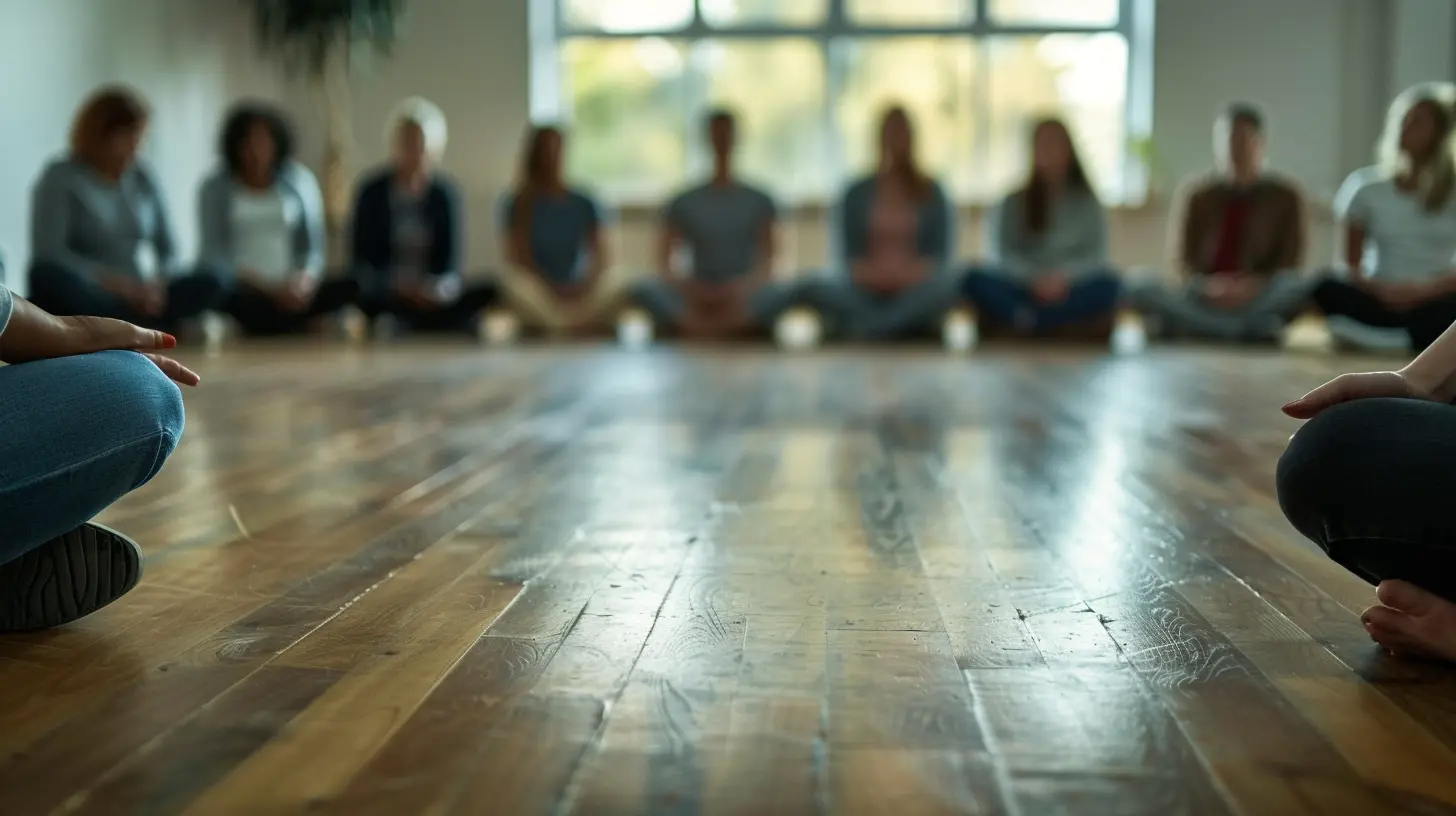
Key Mindfulness Techniques Used in Group Therapy
So, what mindfulness techniques work best in a group setting? Here are some of the most effective ones:1. Guided Meditation
Meditation is one of the most well-known mindfulness practices. In a group setting, a therapist or trained facilitator leads the participants through a meditation session.This can include:
- Breathing exercises to focus the mind.
- Visualization techniques to create a calming mental space.
- Body scans to release tension and promote relaxation.
The shared experience of guided meditation can create a profound sense of connection among group members.
2. Mindful Listening
How often do we truly listen—not just to respond, but to understand? Mindful listening is an exercise where participants take turns speaking and listening without interruptions.The goal is to:
- Be fully present while someone speaks.
- Avoid forming premature judgments or responses.
- Cultivate empathy and understanding.
This practice improves communication and strengthens relationships within the group.
3. Loving-Kindness Meditation (Metta Meditation)
This technique focuses on developing compassion towards oneself and others. Participants silently repeat phrases like:- “May I be happy.”
- “May I be safe.”
- “May I be free from suffering.”
Then, they extend these wishes to others in the group, which fosters a sense of goodwill and connection.
4. Mindful Breathing Exercises
Breathwork is a simple yet powerful mindfulness tool. In a group setting, participants practice deep breathing exercises together, creating a synchronized rhythm that promotes relaxation and focus.A common technique is the 4-7-8 breathing method:
1. Inhale for 4 seconds.
2. Hold for 7 seconds.
3. Exhale for 8 seconds.
Practicing this together builds collective calmness and helps regulate emotions.
5. Grounding Techniques
Grounding exercises help bring the mind back to the present moment. A popular group exercise is the 5-4-3-2-1 technique:- Name 5 things you can see.
- Identify 4 things you can touch.
- Recognize 3 things you can hear.
- Acknowledge 2 things you can smell.
- Notice 1 thing you can taste.
This technique is particularly useful for individuals experiencing anxiety or stress.
6. Mindful Walking
This simple practice involves walking slowly and deliberately, paying attention to each step and breath.Participants focus on:
- The sensation of their feet touching the ground.
- The rhythm of their breathing.
- The sounds and sights around them.
Mindful walking in a group fosters a sense of unity and collective awareness.
7. Journaling with Intention
Writing is a form of mindfulness that allows individuals to process emotions and thoughts. In a group setting, participants can engage in reflective journaling sessions where they write about:- Their thoughts and feelings in the present moment.
- Lessons learned during the session.
- Gratitude reflections.
After journaling, some participants may choose to share their insights, creating deeper group connections. 
The Impact of Mindfulness on Group Therapy Outcomes
So, what happens when mindfulness becomes a regular practice in group therapy?1. Reduced Stress and Anxiety
By focusing on the present moment, participants experience fewer intrusive thoughts, reducing anxiety levels.2. Improved Emotional Regulation
Mindfulness helps individuals recognize and manage their emotions more effectively. Instead of reacting impulsively, they learn to respond with awareness.3. Stronger Interpersonal Connections
Mindfulness fosters empathy, trust, and better communication among group members, strengthening their bonds.4. Increased Self-Awareness
Participants gain a deeper understanding of their thoughts and behaviors, leading to personal growth.5. Greater Overall Well-Being
Regular mindfulness practice leads to a more balanced, peaceful, and fulfilling life.Tips for Incorporating Mindfulness into Group Therapy
Want to bring mindfulness into your group therapy sessions? Here are some practical tips:- Start Slow: Introduce simple techniques before diving into more advanced practices.
- Be Consistent: Regular practice is key to reaping the benefits of mindfulness.
- Create a Safe Environment: Ensure that all participants feel comfortable and respected.
- Encourage Open-Mindedness: Everyone’s experience with mindfulness is unique—there’s no right or wrong way to practice it.
- Reflect Together: Sharing insights after a mindfulness exercise can deepen the experience.
By integrating mindfulness consistently, group therapy sessions become more powerful and transformative.
Final Thoughts
Mindfulness in group therapy is more than just a trend—it’s a game changer. By practicing presence, individuals not only enhance their personal well-being but also create stronger connections within the group. Whether it’s through breathwork, meditation, or mindful listening, these techniques offer powerful ways to navigate emotions and build resilience.So, if you’re part of a therapy group or thinking about joining one, consider adding some mindfulness into the mix. You might be surprised at just how much it transforms your journey.
all images in this post were generated using AI tools
Category:
Group TherapyAuthor:

Jenna Richardson
Discussion
rate this article
1 comments
Antonia Nelson
Mindfulness in group therapy fosters connection and awareness. By sharing experiences, participants create a supportive space that enhances individual growth and collective healing.
September 4, 2026 at 2:43 AM
Jenna Richardson
Absolutely, mindfulness in group therapy really deepens connections and enriches the healing process for everyone involved.