Recognizing Burnout in Your Colleagues: How to Help
31 May 2026
Let’s face it—burnout isn’t just some corporate buzzword. It's real, it’s exhausting, and it’s happening around us more than we realize. We’re working longer hours, juggling more tasks, and trying to stay afloat in a world that doesn’t always hit the pause button.
Now, here’s the thing—we often spot burnout in ourselves, but how often do we stop and really look at our colleagues? You know, that once-bubbly coworker who now sits quietly in meetings? Or the friend in your department who snaps over small things? These could be signs of burnout, and recognizing them early could make all the difference.
In this post, we’re going to crack open what burnout really looks like in others and how you (yes, you) can offer genuine support without sounding like a self-help book.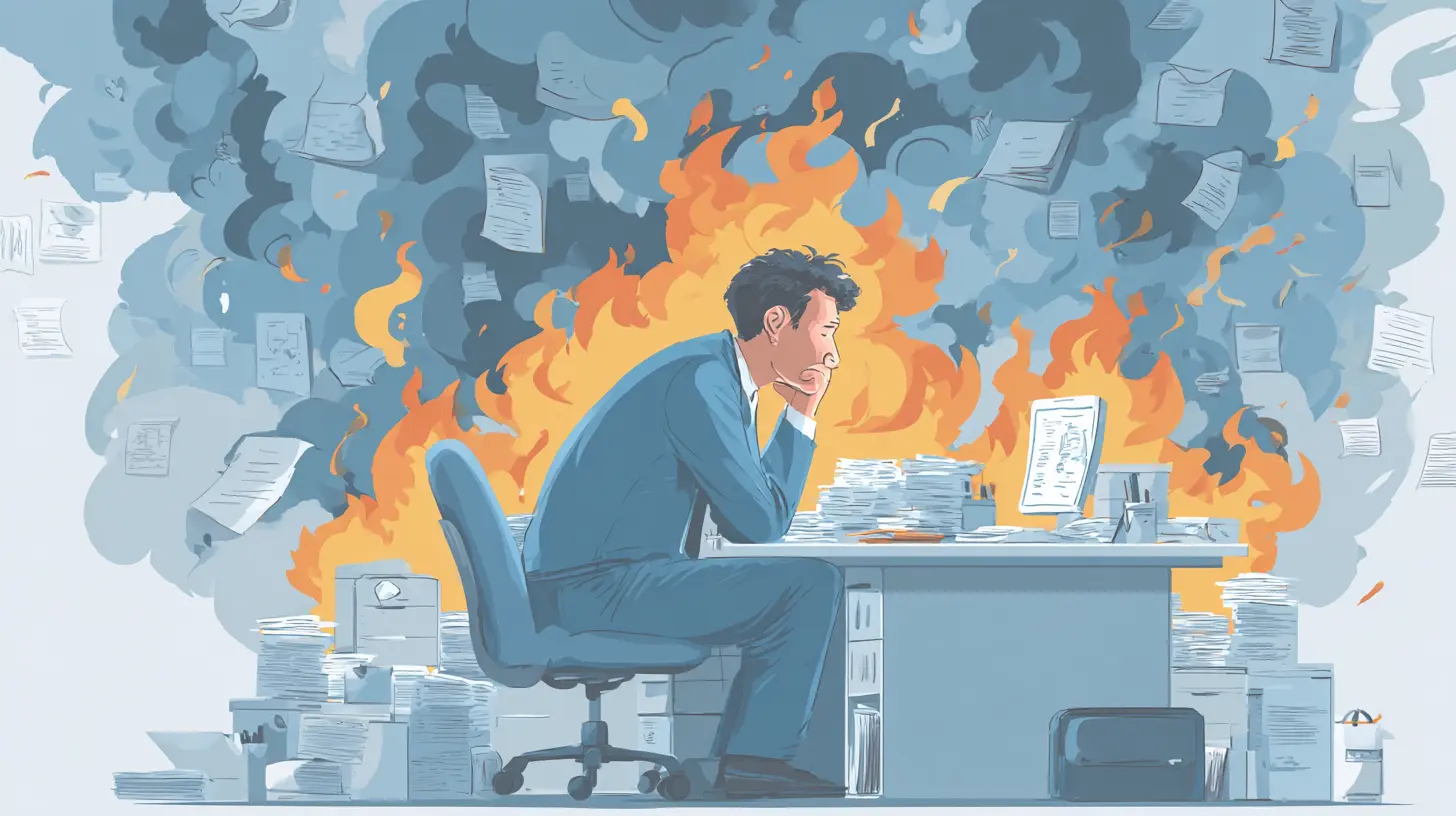
What Exactly Is Burnout?
Before we go full detective mode, let’s clear the air—what are we even looking for?Burnout is more than just being tired after a long week. It’s a state of chronic physical, emotional, and even mental exhaustion caused by prolonged stress—especially work-related stress. Think: running on an empty tank for weeks, months, or even years.
Picture a candle burning from both ends—and then someone throws gasoline on it. That’s burnout.
It often shows up in three major ways:
1. Emotional Exhaustion – They feel drained all the time.
2. Depersonalization – They become distant, cynical, or indifferent.
3. Reduced Performance – They struggle to focus, meet deadlines, or bring their best to the table.
But here’s where it gets tricky—burnout doesn’t always scream. Sometimes, it whispers.
Subtle Signs That a Colleague Might Be Burned Out
Burnout doesn’t show up waving a red flag. It creeps in silently. So, what should you be watching out for?1. Changes in Behavior or Mood
Has your colleague gone from upbeat to unusually withdrawn? Maybe they used to crack jokes during Zoom calls and now they're just... quiet. Or they look annoyed more often than not?Burnout can make people feel disconnected—from their work, their team, even themselves.
2. Decline in Work Quality or Productivity
Missed deadlines, errors they never used to make, or just generally ‘phoning it in’—these could all point to burnout. Now, sure, everyone has off days. But if the pattern sticks around, something deeper might be going on.3. Increased Cynicism or Negativity
We all complain about work sometimes—totally normal. But if someone’s constantly bitter or sarcastic about everything, especially things they used to care about, that’s a red flag.4. Physical Symptoms
Constant headaches, fatigue, or even illnesses? Sometimes the body shouts when the mind is overwhelmed.5. Over-Investment
Funny enough, burnout doesn’t always look like someone giving up—it can also show up in the overachievers. If a colleague is constantly working late, refusing help, or obsessing over perfection, they might be spiraling toward burnout.
Why We Often Miss the Signs
Honestly? Because we’re all busy dealing with our own stuff. Workplaces often normalize stress and overworking—wearing busyness like a weird badge of honor. So when someone struggles, we brush it off as, “just another hectic week.”Plus, some people are great at hiding it. They show up. They smile. They say “I’m fine” even when they’re drowning. That’s why paying attention matters.
Why You Shouldn’t Ignore Burnout in Others
Still wondering, “Why should I get involved?”Here’s the reality: when burnout spreads, it doesn’t just affect one person. It impacts workplace morale, productivity, and even culture. More importantly, ignoring burnout in others can lead to serious consequences for them—both mentally and physically.
And let’s not forget—we all need each other. Supporting a colleague through burnout creates trust, respect, and a stronger team dynamic. Plus, when you help others, you’re also more likely to speak up when you need help.
How to Approach a Burned-Out Colleague (Without Being Awkward)
Let’s be honest—talking about burnout can feel touchy. No one wants to come off as nosy or patronizing. But it doesn’t have to be a grand intervention either.Step 1: Start with Observation, Not Assumption
Don’t jump to conclusions. Just because someone had a rough week doesn’t mean they’re burning out. Look for patterns over time.Step 2: Create a Safe, Private Space
Avoid bringing it up in a group meeting or over Slack. Find a private moment—maybe during a coffee break or one-on-one chat.Something like:
> “Hey, I’ve noticed you’ve seemed a bit off lately. Everything okay? I’m here if you need to talk.”
Simple. Human. Genuine.
Step 3: Listen Without Trying to "Fix"
Sometimes people just want to be heard—not handed a list of solutions. Nod. Respond kindly. Avoid saying things like “You should just take a break” unless they ask for advice.Let your support be about them, not your opinion.
Step 4: Offer Practical Support
Ask how you can help: “Is there anything I can take off your plate?” or “Want to split the workload on this project?” Even small gestures can lift a massive weight.Step 5: Encourage Professional Support (Gently)
If things seem serious, gently suggest they consider talking to HR, a manager, or a mental health professional. Burnout isn’t a character flaw—it’s a health issue. It deserves professional care.Things NOT to Say to a Burned-Out Colleague
Let’s avoid adding fuel to the fire. Some well-meaning phrases can come off as dismissive or toxic.Avoid saying:
- “Everyone’s tired, it’s just work.”
- “You just need a vacation.”
- “You’re being dramatic.”
- “Back in my day, we worked even harder!”
Instead, try:
- “I hear you.”
- “That sounds like a lot to carry.”
- “I’m here for you—whatever that looks like.”
How to Make Your Workplace Less Burnout-Prone
Support goes beyond individuals. Want a sustainable fix? Start shifting the culture.Here’s how:
Encourage Open Conversations
Normalize mental health check-ins. Just as you’d ask about someone’s workload, ask how they’re coping—without judgment.Set Better Boundaries
Don’t glorify working late or skipping breaks. When leaders set healthy examples, others follow.Foster Team Collaboration
Burnout thrives in silos. Promote sharing the load and celebrating team wins, not just individual hustle.Promote Time Off—and Actually Respect It
Encourage vacations and real time off. Don’t call or email someone who’s out of office. Respect their time to recharge.When You’re Feeling Burned Out Too
Helping others while you're barely holding it together? Not sustainable.If you’re also feeling overwhelmed, it’s okay to say so. Vulnerability invites connection. Share your struggles—it might be the thing that helps someone else open up.
Burnout is not a personal failure. It’s a systemic problem that requires both personal compassion and workplace change.
Final Thoughts
We’re all human. We all hit breaking points. Knowing the signs of burnout and stepping in—gently and sincerely—can truly change the game for someone struggling in silence.You don’t need grand speeches or clinical expertise. You just need to care. Burnout dims lights. But a little empathy? That can reignite someone’s spark.
Let’s look out for each other. Because in a world wired for hustle, compassion is the quiet rebellion that really matters.
all images in this post were generated using AI tools
Category:
BurnoutAuthor:

Jenna Richardson
Discussion
rate this article
1 comments
Dakota Cruz
This article highlights the importance of recognizing burnout in colleagues. Empathy and open communication are crucial for fostering a supportive workplace environment.
June 9, 2026 at 4:14 AM
Jenna Richardson
Thank you for your insight! Empathy and communication truly make a difference in supporting each other.