You probably think you’re a really open-minded person, but the real thing raises your death anxiety
June 13, 2026 - 16:16
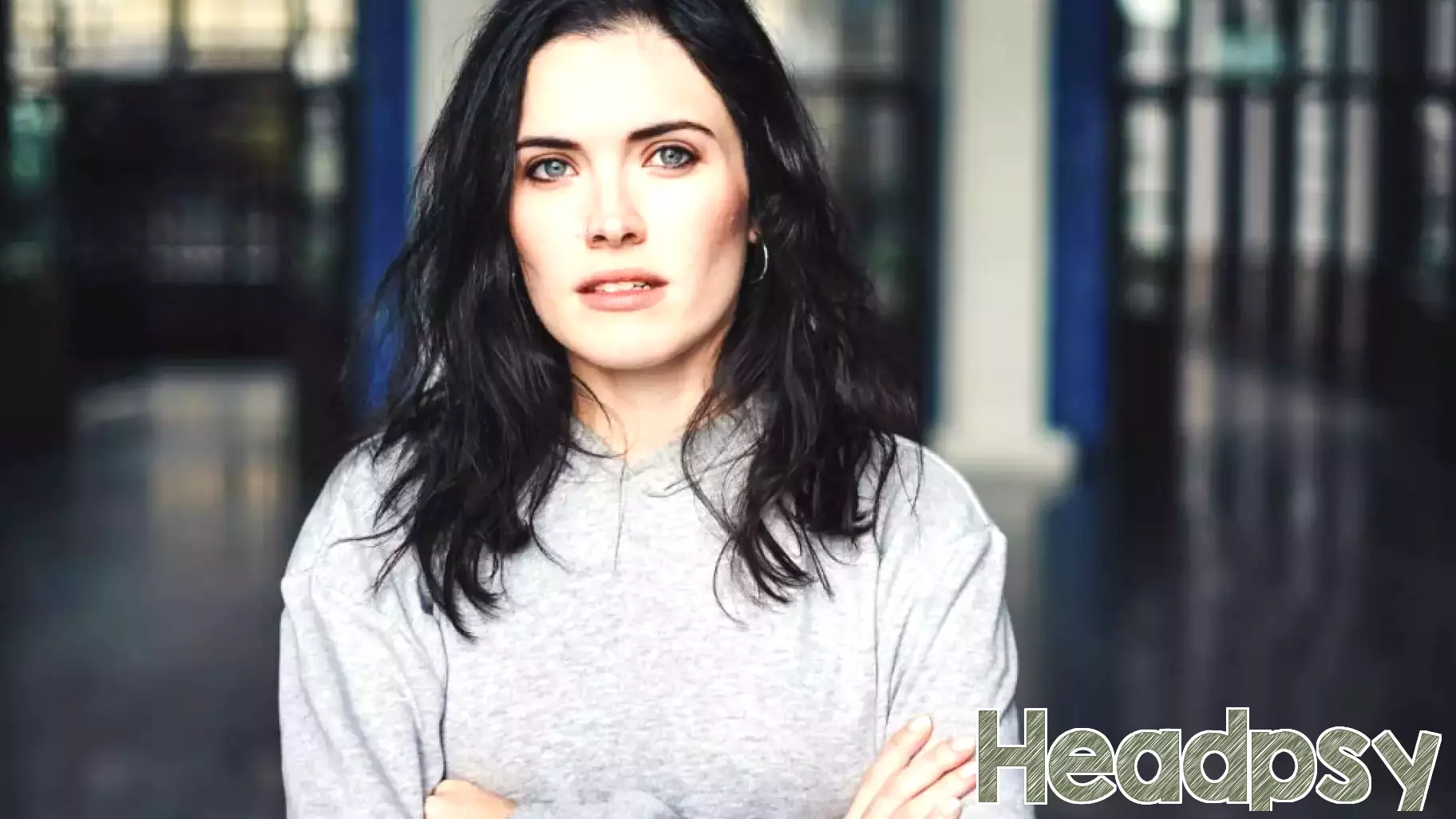
To quote the famous Jack Nicholson line from "A Few Good Men," you can't handle the truth. A growing body of psychological research suggests that while most people pride themselves on being intellectually curious and receptive to new ideas, genuine open-mindedness comes with a hidden psychological cost: it forces you to confront your own mortality.
The issue lies in what psychologists call Terror Management Theory. When we hold rigid beliefs, we build a psychological fortress against the fear of death. Certainty in our worldview, whether political, religious, or philosophical, gives us a sense of permanence. True open-mindedness, however, requires tearing down those walls. It demands that you entertain the possibility that your core beliefs might be wrong, which destabilizes the symbolic immortality those beliefs provide.
A recent study published in the Journal of Personality and Social Psychology found that participants who scored high on measures of intellectual humility also reported higher levels of death anxiety. The researchers argue that the very trait we celebrate as a virtue -- the willingness to change our mind -- is also the trait that leaves us psychologically exposed. When you admit you don't have all the answers, you also admit that the universe is chaotic and finite.
This creates a paradox. We admire the open-minded person as the ideal of rational thought, but we instinctively avoid the discomfort that comes with it. The next time you feel a surge of pride in your open-mindedness, ask yourself if you are truly willing to follow that logic to its uncomfortable conclusion. The truth is, most people prefer the comfort of a closed mind over the anxiety of an open one.
MORE NEWS

October 26, 2026 - 05:28
Video Games as a Route to Self-DiscoveryYour avatar may express parts of yourself you keep hidden in daily life. That idea sits at the center of a growing conversation about what games actually do for the people who play them. Far from...
October 24, 2026 - 22:42
The Hidden Costs of Keeping Things Casual`We`re just dating.` It is a phrase heard often enough that few people stop to question what it actually means. A growing body of research suggests the ambiguity built into casual dating...

October 24, 2026 - 14:56
Kennesaw State Faculty Offer Insight into Halloween Traditions and FearsAs Halloween approaches, experts at Kennesaw State University are sharing their knowledge on everything from why people enjoy being frightened to the economic forces behind the holiday. Their...

October 23, 2026 - 21:27
The psychological impact of the seemingly endless rain - and how to stay positiveWeeks of gray skies and constant drizzle are wearing people down, and mental health experts say the effect is genuine. When sunshine is scarce, the body produces less serotonin and more melatonin,...