Kratom's Opioid Nature Demands Clear Recognition
July 28, 2026 - 16:16
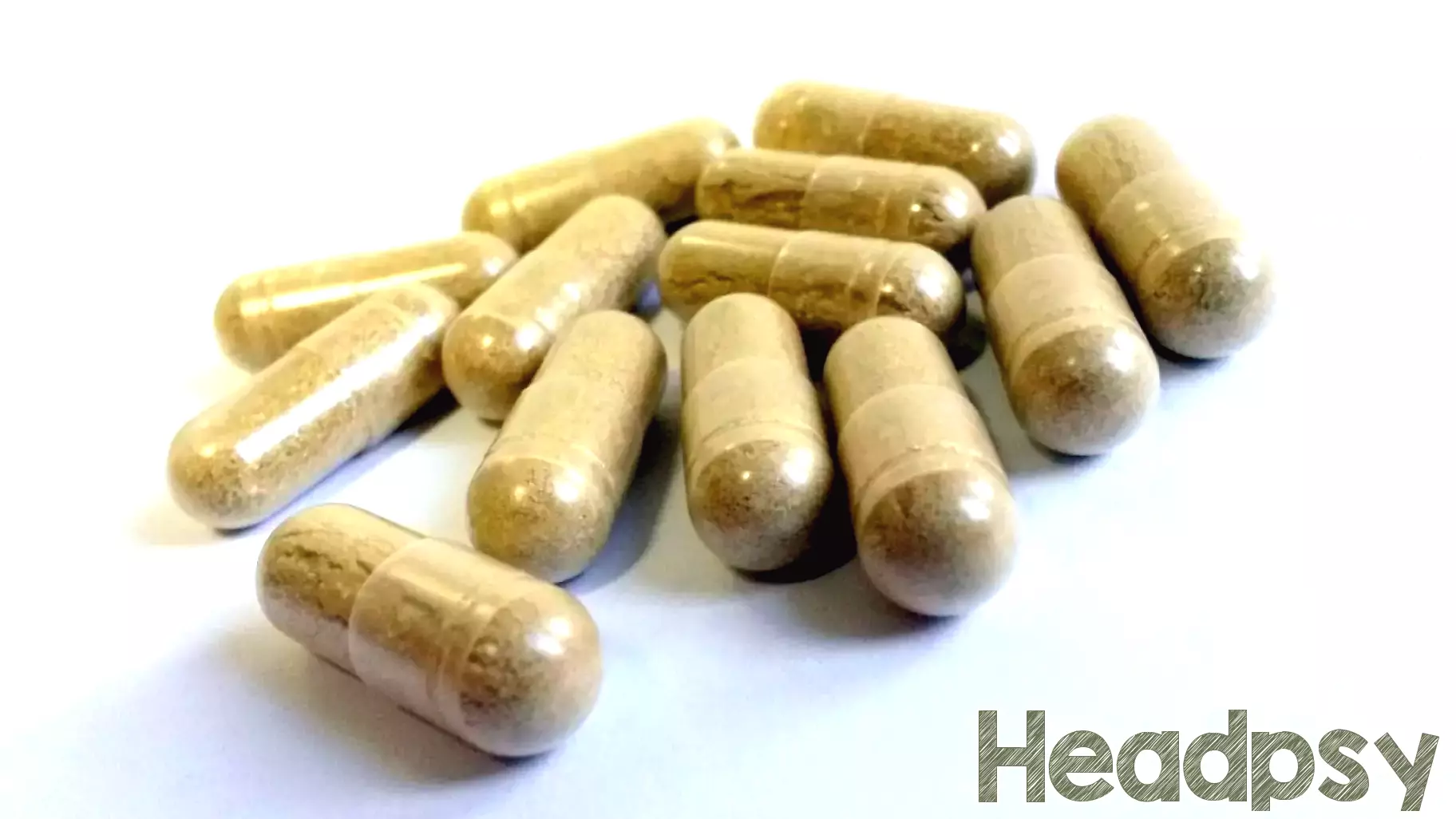
As long as kratom remains easily available across the United States, the number of Americans struggling with opioid use disorder is likely to keep climbing. This plant-based substance, often marketed as a natural supplement for pain relief or mood enhancement, shares a critical chemical property with prescription opioids and heroin. Its active compounds bind to the same mu-opioid receptors in the brain, producing effects that range from mild euphoria to sedation and respiratory depression at high doses.
Despite its widespread sale in gas stations, smoke shops, and online retailers, kratom is not federally regulated. The Food and Drug Administration has repeatedly warned about its potential for abuse, addiction, and serious side effects, including seizures and liver damage. Yet many users believe it is safe because it comes from a leaf rather than a lab. This misconception has fueled a growing public health problem.
Emergency rooms now see more cases of kratom-related toxicity, and poison control centers report rising calls about adverse reactions. Some people use kratom to self-manage chronic pain or to wean off stronger opioids, but the result often is a new dependency. Treatment providers note that withdrawal from kratom can be as difficult as withdrawal from other opioids, with symptoms like muscle aches, insomnia, and anxiety.
The debate over kratom's legal status continues. Some advocates push for regulation rather than a ban, arguing it helps people who lack access to proper medical care. But the evidence is clear: kratom acts on the brain like an opioid, and treating it as anything less than that ignores the risks. Until policymakers and the public fully accept this fact, the cycle of addiction will persist.
MORE NEWS

October 26, 2026 - 05:28
Video Games as a Route to Self-DiscoveryYour avatar may express parts of yourself you keep hidden in daily life. That idea sits at the center of a growing conversation about what games actually do for the people who play them. Far from...

October 24, 2026 - 22:42
The Hidden Costs of Keeping Things Casual`We`re just dating.` It is a phrase heard often enough that few people stop to question what it actually means. A growing body of research suggests the ambiguity built into casual dating...

October 24, 2026 - 14:56
Kennesaw State Faculty Offer Insight into Halloween Traditions and FearsAs Halloween approaches, experts at Kennesaw State University are sharing their knowledge on everything from why people enjoy being frightened to the economic forces behind the holiday. Their...

October 23, 2026 - 21:27
The psychological impact of the seemingly endless rain - and how to stay positiveWeeks of gray skies and constant drizzle are wearing people down, and mental health experts say the effect is genuine. When sunshine is scarce, the body produces less serotonin and more melatonin,...