Will Humanoid Robots Enhance Daily Life by 2030?
March 5, 2025 - 23:20
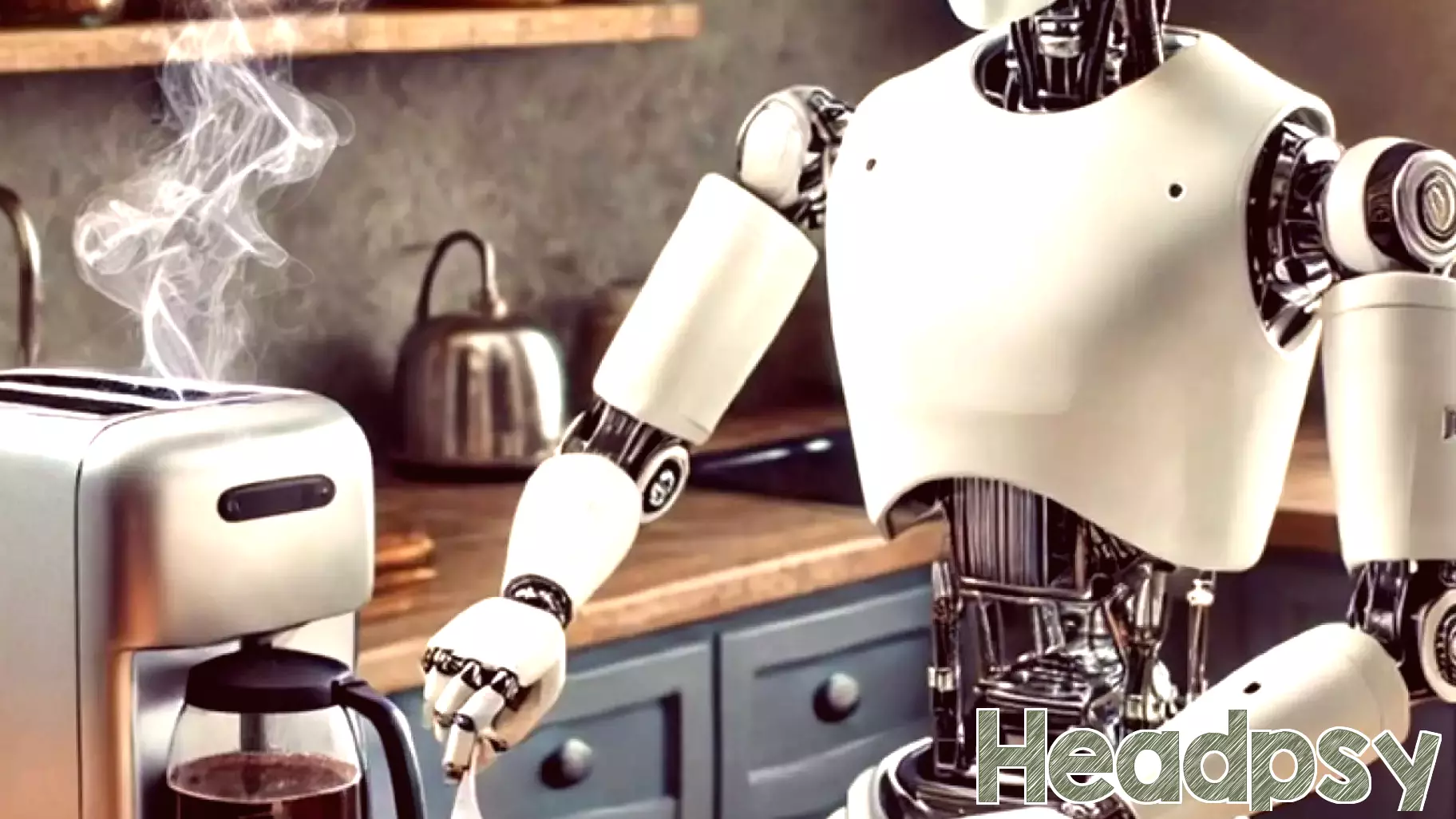
Imagine waking up in 2030 to a humanoid robot preparing your breakfast just the way you like it. This futuristic scenario raises intriguing questions about how these advanced machines could transform our daily lives. As technology progresses, the integration of humanoid robots into households is becoming increasingly plausible.
These robots could take on various tasks, from cooking and cleaning to providing companionship and assistance for the elderly. The potential for increased convenience is enticing; however, it also brings forth concerns regarding dependence on technology and the implications for employment.
Moreover, as humanoid robots become more sophisticated, issues related to privacy, security, and ethical considerations will need to be addressed. Will these machines truly simplify life, or will they introduce new complexities? As society moves closer to this reality, it is essential to weigh the benefits against the potential challenges that could arise in our daily interactions with humanoid robots.
MORE NEWS

October 5, 2026 - 00:51
Psychedelic Drugs Advance Toward FDA Approval as Federal Support GrowsPsychedelic substances such as psilocybin and LSD are moving closer to federal approval, marking a significant shift in how regulators and researchers view these once-stigmatized compounds....

October 4, 2026 - 15:10
Psychology says children who talk to themselves while playing may be doing more than just thinking out loudChildren often talk to themselves while solving a puzzle, playing make-believe or working through a difficult task. This self-directed language, known as private speech, may be more than simple...

October 3, 2026 - 22:25
Personality Trait Beats Test Scores in Predicting West Point Leadership SuccessA new meta-analysis of West Point cadets suggests that personality matters more than raw intelligence when it comes to leading troops. While standardized test scores remain a solid predictor of...
October 3, 2026 - 18:04
Study Finds the Human Brain May Function as Two Separate OrgansA recent study suggests that the human brain emerges from two separate organs, a discovery that may impact future treatments for neurodegenerative diseases and brain disorders. Researchers...