Why the Most Productive Thing You Can Do Is Pause
March 12, 2026 - 07:38

In a culture that glorifies constant hustle, the idea of stopping work can feel like a transgression. However, mounting evidence suggests that the most productive action you can take is often to deliberately pause. Far from being empty space, these intentional breaks are where true capacity is built.
The relentless pursuit of output can lead to burnout, diminished creativity, and chronic stress. Stepping away, whether for a few deep breaths, a walk, or a longer respite, creates critical mental white space. It is within these moments of stillness that our minds consolidate information, solve complex problems, and regain emotional equilibrium.
This practice fosters calm and mental clarity, allowing you to return to tasks with renewed focus. It builds resilience by preventing the exhaustion that comes from non-stop effort. Ultimately, sustainable high performance isn't about grinding harder, but about working smarter with integrated recovery. The strategic pause is not a deviation from productivity; it is its very foundation, enabling peace of mind and consistent, quality results over the long term.
MORE NEWS

October 23, 2026 - 21:27
The psychological impact of the seemingly endless rain - and how to stay positiveWeeks of gray skies and constant drizzle are wearing people down, and mental health experts say the effect is genuine. When sunshine is scarce, the body produces less serotonin and more melatonin,...

October 23, 2026 - 02:27
Woodcut reframes true crime through psychology and motiveWoodcut Media, the production company behind World`s Most Evil Killers, is changing how it approaches true-crime storytelling by placing greater emphasis on psychology and motive rather than shock...

October 22, 2026 - 00:43
Older adults tell the story of their lives differently, and it may not be a sign of decline, new psychology study suggestsA new psychology study suggests that older adults tell the story of their lives differently from younger adults, and that this difference may not signal mental decline. Researchers found that older...
October 21, 2026 - 01:40
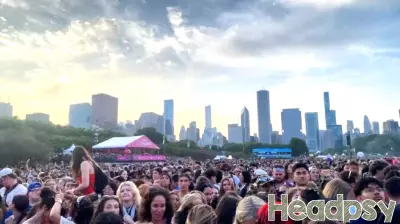
Why Festival Prices Keep Climbing and Why We Keep PayingIf you went to a music festival this summer, whether it was Osheaga, Coachella, or Lollapalooza, you probably noticed that everything cost more. The ticket itself was likely higher than last year....