On Tuesday’s show: Reverse psychology
April 20, 2026 - 18:08
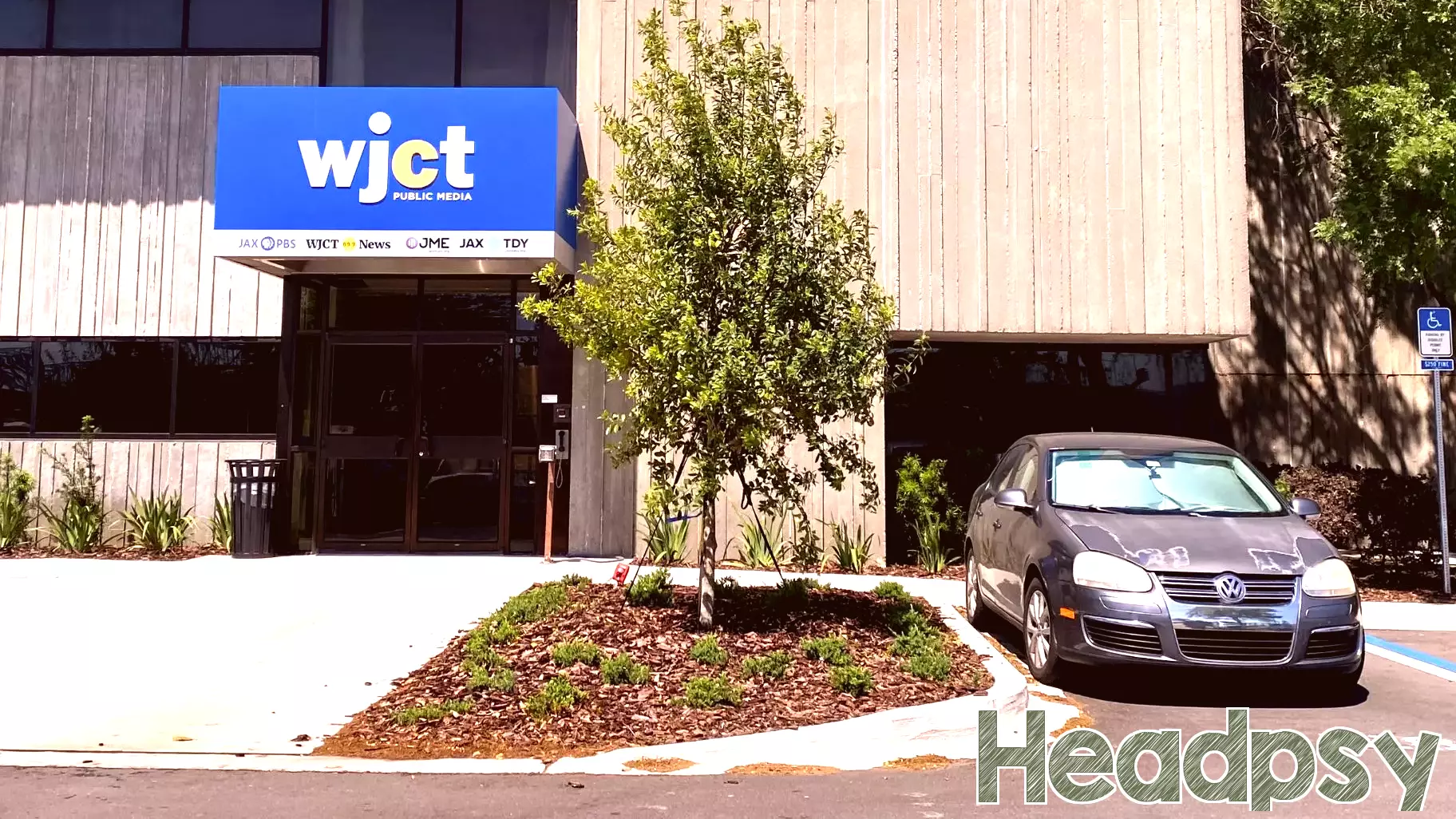
The simple act of parking a car has unexpectedly become a flashpoint for passionate debate, evolving from a minor driving preference into a subject of controversy, internet currency, and even formal urban policy. The core question dividing drivers and city planners alike is straightforward: is it safer and more efficient to back into a parking space or to pull in head-first?
Proponents of back-in, or reverse, parking argue it is the unequivocally safer choice. By completing the more complex maneuvering upon arrival, drivers have a full, unobstructed view when leaving the space, reducing the risk of colliding with pedestrians, cyclists, or moving vehicles in a busy lot or street. This method is often standard in driving instruction in many countries and is mandated in certain industrial and commercial settings for safety reasons.
Conversely, many drivers find the practice inconvenient and time-consuming, preferring the quicker, simpler pull-in method. Critics argue it can slow down traffic flow as drivers wait for a space to reverse into. The debate has spilled onto social media, where viral posts and memes passionately defend each side, highlighting how a mundane daily task can capture the public's imagination.
The discussion is no longer purely theoretical. Several forward-thinking cities across North America have begun to design new angled parking layouts specifically for back-in parking only, citing studies that show a reduction in accidents. This shift indicates that what was once a matter of personal habit is increasingly being viewed through the lens of public safety and efficient urban design, ensuring the great parking debate will have a very real impact on our streetscapes.
MORE NEWS

October 18, 2026 - 03:39
The Power of Productive Conflict in Creative WorkLeonard Bernstein`s famous clash with Glenn Gould offers a striking lesson in how workplace conflict can become a source of brilliance rather than breakdown. The two men disagreed fundamentally...
October 17, 2026 - 06:05
The acorn, the demon, the therapy to serve human love. The scabs of psychoanalysisJames Hillman spent decades arguing that modern psychology had lost its soul. His death left behind a body of work that asks uncomfortable questions about what therapy has become and what it was...
October 16, 2026 - 18:07
A Single Class Can Shift How Students See Mental IllnessIt took just one class period to change how a group of college students view mental illness. Researchers found that a brief educational session focused on the science of mental health produced...

October 16, 2026 - 06:31
Why Deep Thinkers Use These 8 Phrases in Everyday TalkThey have a mind that catches everything, examines everything, and takes longer to arrive at an answer than the conversation is willing to wait for. People with high intelligence and slower...