Why Gen Z's Mental Health Is Shaped by Their Screens
September 9, 2026 - 16:21
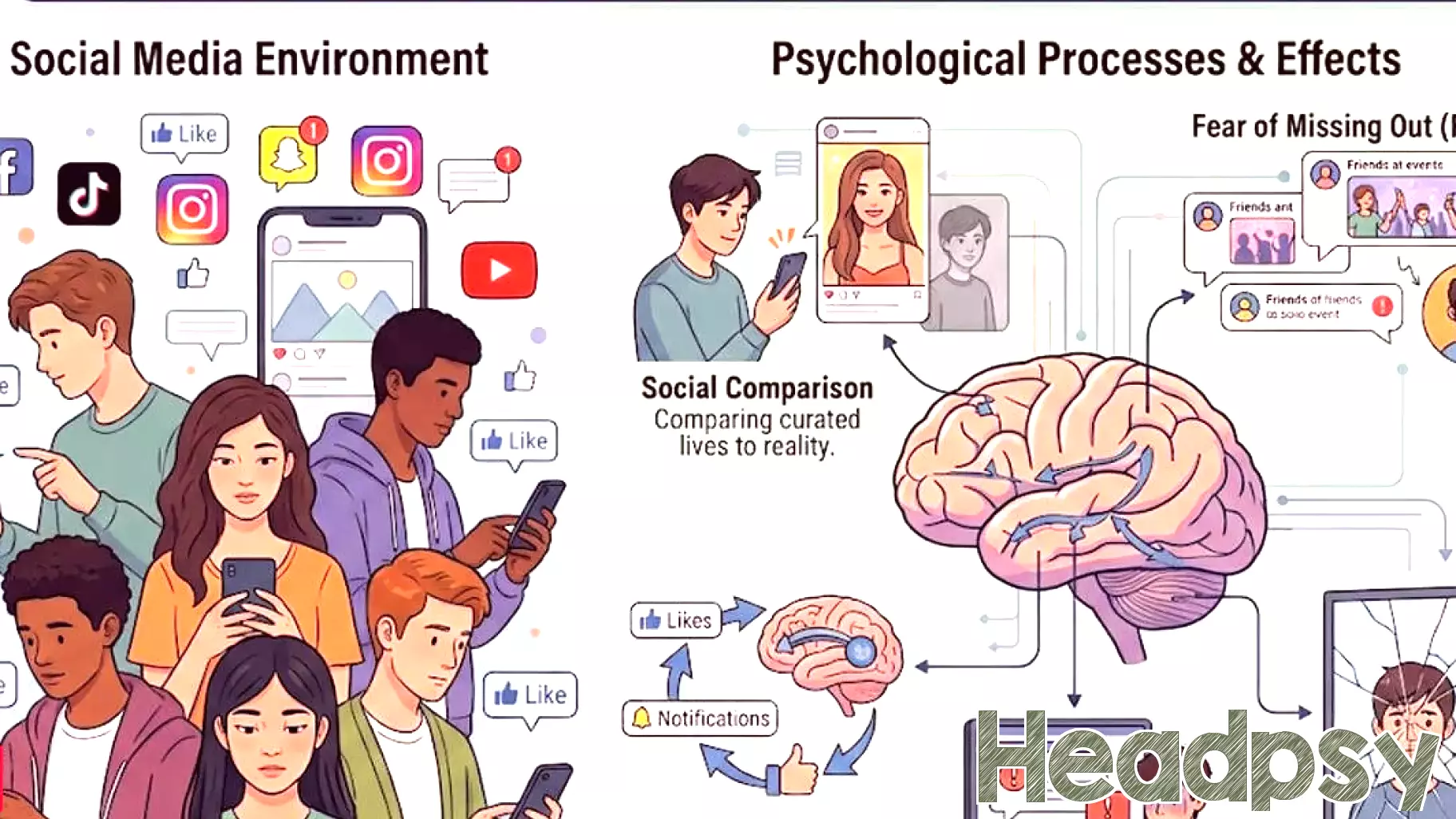
For Generation Z, social media is not just a pastime; it is the primary environment where they socialize, learn, and form their identity. This constant immersion creates a double-edged sword for their mental well-being. On one side, the endless feed of curated lives and highlight reels fuels a dangerous cycle of social comparison. Seeing peers with perfect bodies, dream vacations, and career wins can trigger deep feelings of inadequacy, anxiety, and depression. The pressure to maintain a flawless online persona is exhausting, and the fear of missing out, or FOMO, keeps many tied to their phones late into the night, disrupting crucial sleep patterns and further destabilizing their mood.
However, the picture is not entirely bleak. For many in Gen Z, these platforms are a lifeline. They offer a space to find community, especially for those who feel isolated in their offline lives. Young people struggling with mental health issues often find solace in online support groups, where they can share experiences without fear of stigma. They also use these channels to access credible mental health resources and educational content that might not be available in their immediate surroundings.
The key difference lies in how the platforms are used. Passive consumption, like mindlessly scrolling through others' posts, is linked to negative outcomes. In contrast, active engagement, such as direct messaging with friends or participating in hobby-based groups, can strengthen social bonds. Experts suggest that fostering strong offline relationships and setting firm boundaries around screen time, like turning off notifications or designating phone-free hours, are crucial steps. By understanding these patterns, Gen Z can learn to harness the benefits of digital connectivity while protecting themselves from its psychological harms.
MORE NEWS

October 17, 2026 - 06:05
The acorn, the demon, the therapy to serve human love. The scabs of psychoanalysisJames Hillman spent decades arguing that modern psychology had lost its soul. His death left behind a body of work that asks uncomfortable questions about what therapy has become and what it was...
October 16, 2026 - 18:07
A Single Class Can Shift How Students See Mental IllnessIt took just one class period to change how a group of college students view mental illness. Researchers found that a brief educational session focused on the science of mental health produced...

October 16, 2026 - 06:31
Why Deep Thinkers Use These 8 Phrases in Everyday TalkThey have a mind that catches everything, examines everything, and takes longer to arrive at an answer than the conversation is willing to wait for. People with high intelligence and slower...

October 15, 2026 - 22:46
The hidden psychology behind everyday spendingOCTOBER 15 -- Everyday spending may appear to be a straightforward matter of comparing prices, identifying needs and deciding what to buy. Yet consumer decisions are rarely shaped by logic alone. A...