Trusting AI in Life-or-Death Situations: A Cause for Concern
September 18, 2025 - 04:45
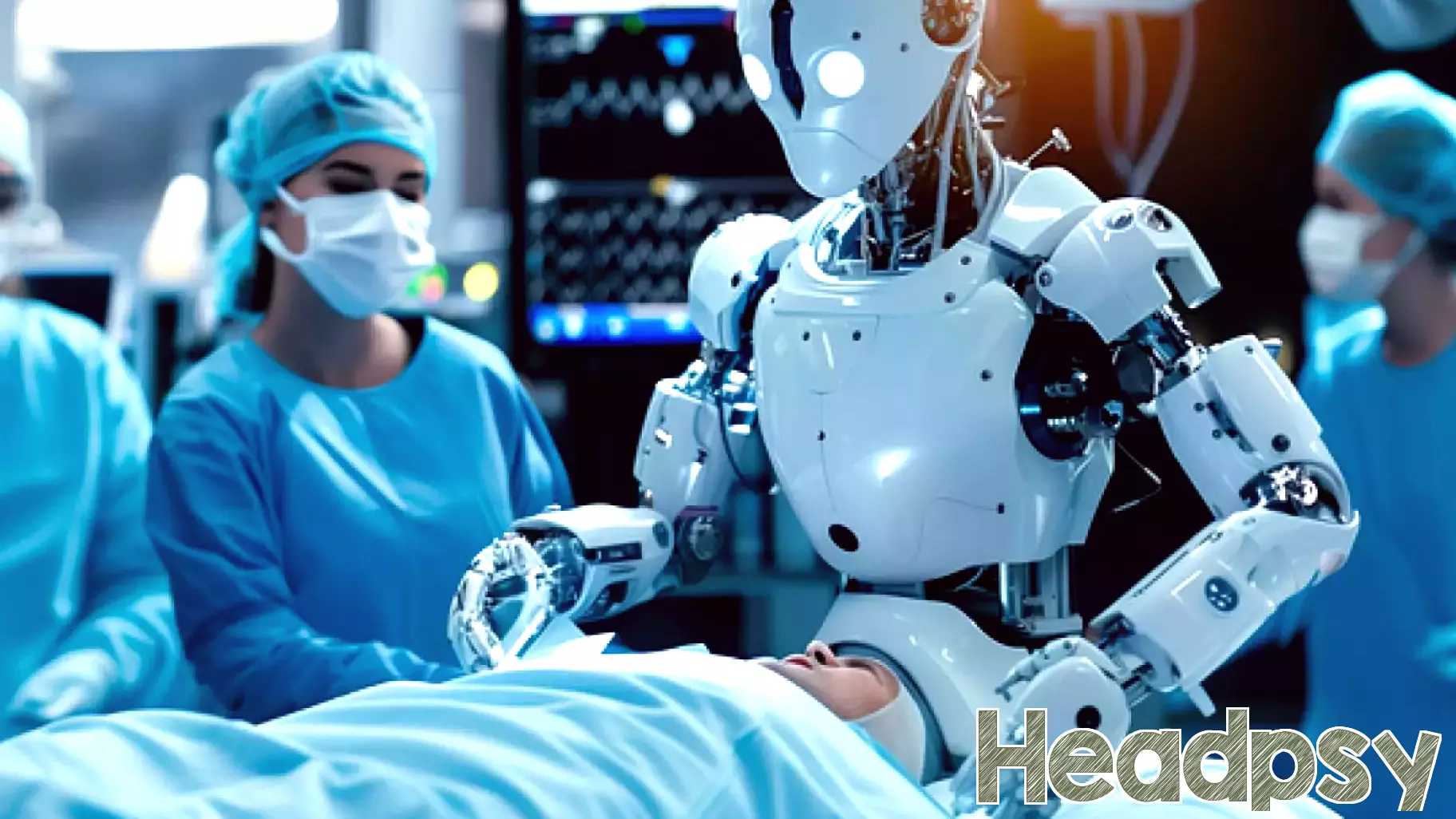
A recent study has raised serious questions about the reliability of human-AI collaboration in critical emergency situations. Alarmingly, it found that 80 percent of teams composed of humans and artificial intelligence failed to effectively deliver emergency first aid. Despite this dismal performance, participants exhibited a surprising level of trust in their AI counterparts, highlighting a potentially dangerous overconfidence in technology.
The findings suggest that while AI can process vast amounts of data and offer recommendations, it may not always be equipped to handle the complexities of real-world emergencies. This disconnect between trust and performance could have dire consequences, particularly in life-or-death situations where quick and accurate decisions are paramount.
Experts are calling for a reevaluation of how we integrate AI into critical care scenarios, emphasizing the need for better training and a more cautious approach to reliance on technology in emergencies. As society continues to embrace AI, understanding its limitations is crucial to ensuring safety and effectiveness in high-stakes environments.
MORE NEWS

October 5, 2026 - 00:51
Psychedelic Drugs Advance Toward FDA Approval as Federal Support GrowsPsychedelic substances such as psilocybin and LSD are moving closer to federal approval, marking a significant shift in how regulators and researchers view these once-stigmatized compounds....

October 4, 2026 - 15:10
Psychology says children who talk to themselves while playing may be doing more than just thinking out loudChildren often talk to themselves while solving a puzzle, playing make-believe or working through a difficult task. This self-directed language, known as private speech, may be more than simple...

October 3, 2026 - 22:25
Personality Trait Beats Test Scores in Predicting West Point Leadership SuccessA new meta-analysis of West Point cadets suggests that personality matters more than raw intelligence when it comes to leading troops. While standardized test scores remain a solid predictor of...
October 3, 2026 - 18:04
Study Finds the Human Brain May Function as Two Separate OrgansA recent study suggests that the human brain emerges from two separate organs, a discovery that may impact future treatments for neurodegenerative diseases and brain disorders. Researchers...