Transforming Environments: Harnessing Social Pressure to Combat Distractions
May 9, 2025 - 03:40
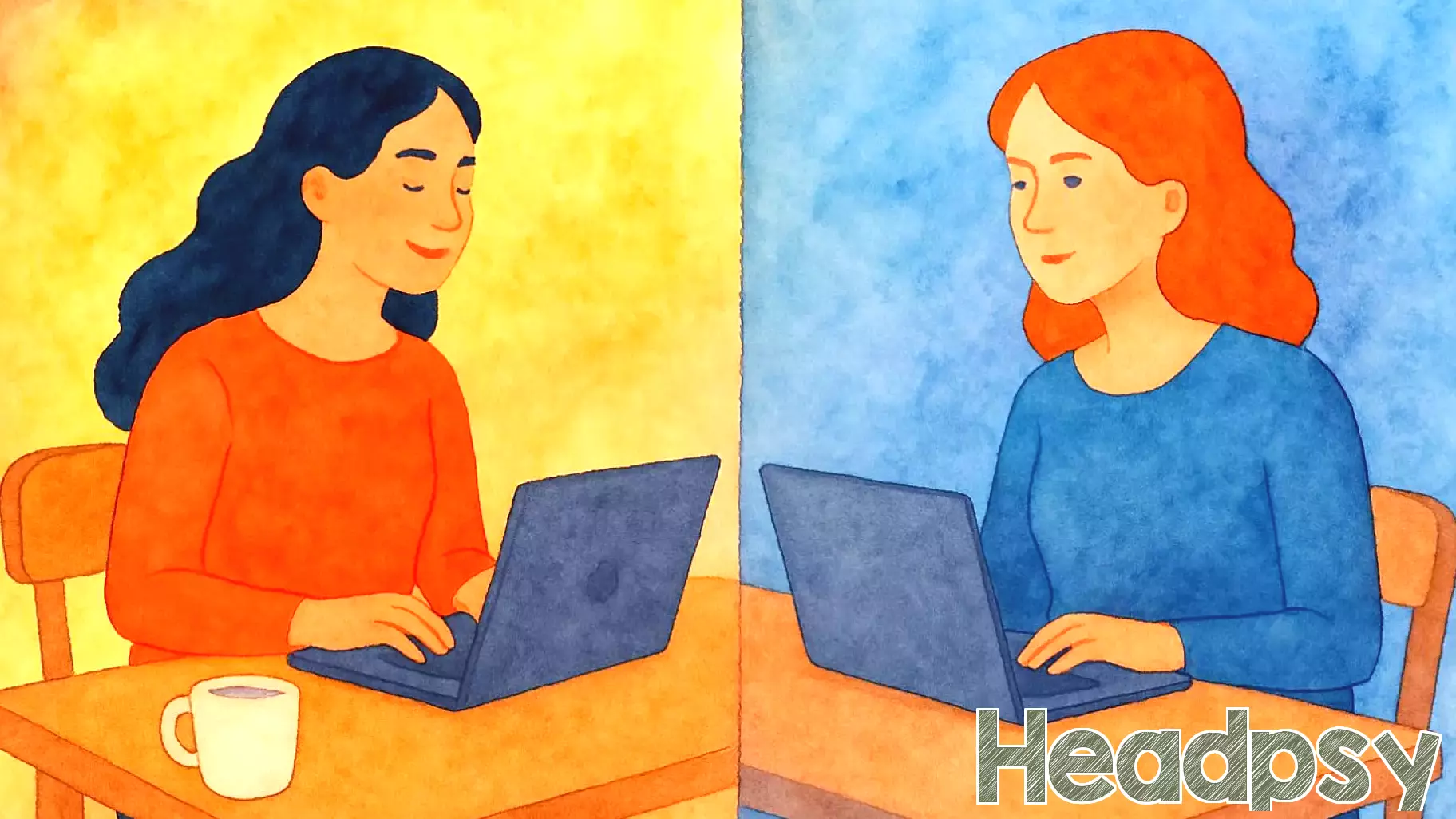
In the quest for productivity and focus, redesigning our environments can be more effective than relying solely on willpower. By strategically creating situations that leverage social pressure, individuals can offset the common biases of delay and distraction. This approach emphasizes the importance of our surroundings and the people we engage with in achieving our goals.
Social pressure can serve as a powerful motivator, encouraging individuals to stay on task and resist the temptation to procrastinate. For instance, working alongside others who are equally focused can enhance one’s commitment to completing tasks. This creates a sense of accountability, where the desire to conform to the group’s productivity levels encourages personal discipline.
Moreover, minimizing distractions through thoughtful environmental design can further enhance concentration. Simple changes, such as decluttering workspaces or setting specific times for collaboration, can lead to significant improvements in focus. By understanding and utilizing these psychological dynamics, individuals can create environments that foster productivity and reduce the likelihood of succumbing to distractions.
MORE NEWS

October 5, 2026 - 00:51
Psychedelic Drugs Advance Toward FDA Approval as Federal Support GrowsPsychedelic substances such as psilocybin and LSD are moving closer to federal approval, marking a significant shift in how regulators and researchers view these once-stigmatized compounds....

October 4, 2026 - 15:10
Psychology says children who talk to themselves while playing may be doing more than just thinking out loudChildren often talk to themselves while solving a puzzle, playing make-believe or working through a difficult task. This self-directed language, known as private speech, may be more than simple...
October 3, 2026 - 22:25
Personality Trait Beats Test Scores in Predicting West Point Leadership SuccessA new meta-analysis of West Point cadets suggests that personality matters more than raw intelligence when it comes to leading troops. While standardized test scores remain a solid predictor of...
October 3, 2026 - 18:04
Study Finds the Human Brain May Function as Two Separate OrgansA recent study suggests that the human brain emerges from two separate organs, a discovery that may impact future treatments for neurodegenerative diseases and brain disorders. Researchers...