The Surprising History of the Kiss: Not as Universal as You Think
June 25, 2026 - 23:02
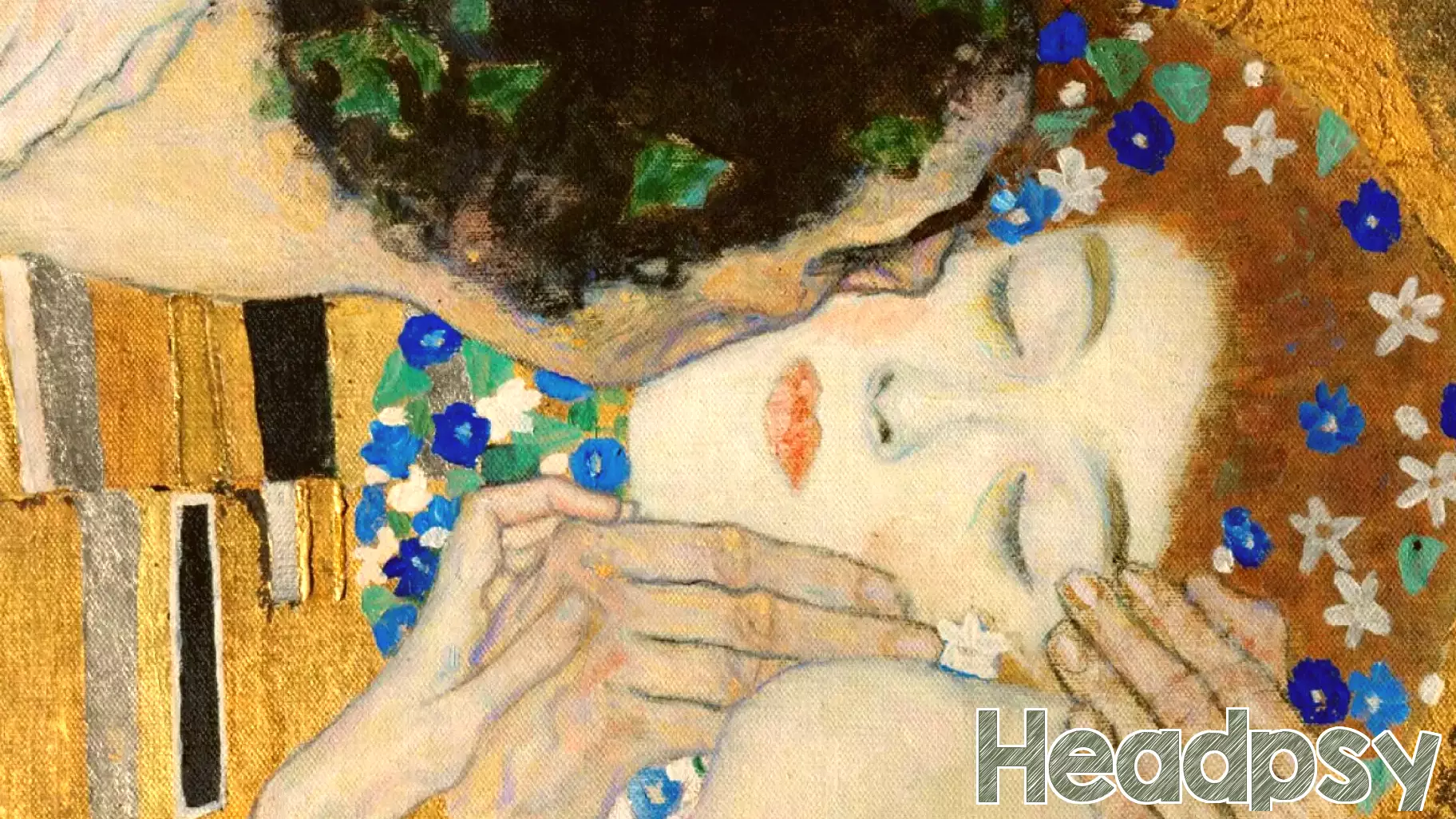
A kiss might seem like the most natural gesture in the world, but historians and anthropologists argue otherwise. The act of pressing lips to another person's skin is neither universal nor timeless. Its history reveals unexpected truths about how humans have understood intimacy, power, and connection across cultures and centuries.
In many ancient societies, kissing was not a romantic act. In parts of classical India, the kiss was described in detailed erotic manuals, but it was often tied to social status rather than affection. In ancient Rome, a kiss could seal a legal contract or mark a political alliance. The meaning shifted dramatically depending on who was kissing whom and in what context.
Medieval Europe added new layers. The kiss of peace was a Christian ritual exchanged during church services. Lovers kissed in secret, but public displays were tightly controlled. By the Renaissance, kissing had become a subject of etiquette guides, warning against slobbering or breathing too heavily. The French, who later gave the world the term "French kiss," were not always seen as experts. Early modern travelers often mocked their kissing habits as excessive.
The 20th century changed everything. Film and advertising turned the kiss into a global symbol of romantic love. Yet even today, some cultures reject mouth-to-mouth kissing entirely. In parts of sub-Saharan Africa, Southeast Asia, and the Amazon, people find the practice unhygienic or strange.
What this history shows is that kissing is a learned behavior, not an instinct. It reflects the values and anxieties of its time. The next time you kiss someone, consider that you are taking part in a tradition that has meant many different things to many different people. And it will likely mean something else again in the future.
MORE NEWS

September 23, 2026 - 23:48
Men with less modest self-views are more likely to feel victimized and support men's rights activismNew research points to a specific personality trait that helps explain why some men feel their gender is under attack. The study found that low trait modesty, meaning a tendency to view oneself as...

September 23, 2026 - 02:26
Why Interruptions Feel Like a Personal AttackUnexpected interruptions, even if brief, can severely disrupt an individual`s thought process and workflow. Studies demonstrate that even momentary distractions can lead to increased mistakes and...

September 22, 2026 - 04:03
Psychology says people who struggle to confront others may be running a powerful risk calculationAvoiding a confrontation can be the safest and most sensible choice when a situation feels threatening. The pattern becomes more psychologically meaningful when someone consistently struggles to...

September 21, 2026 - 13:23
How Navy SEAL Training Shows Resilience Can Be Built, Not Just BornUS Navy SEAL training reveals that resilience is not an innate quality people either have or lack. Instead, it can develop over time. Psychological traits like hardiness and grit adapt during...