The Limitations of AI Therapy: Why Human Connection Matters
October 2, 2025 - 23:49
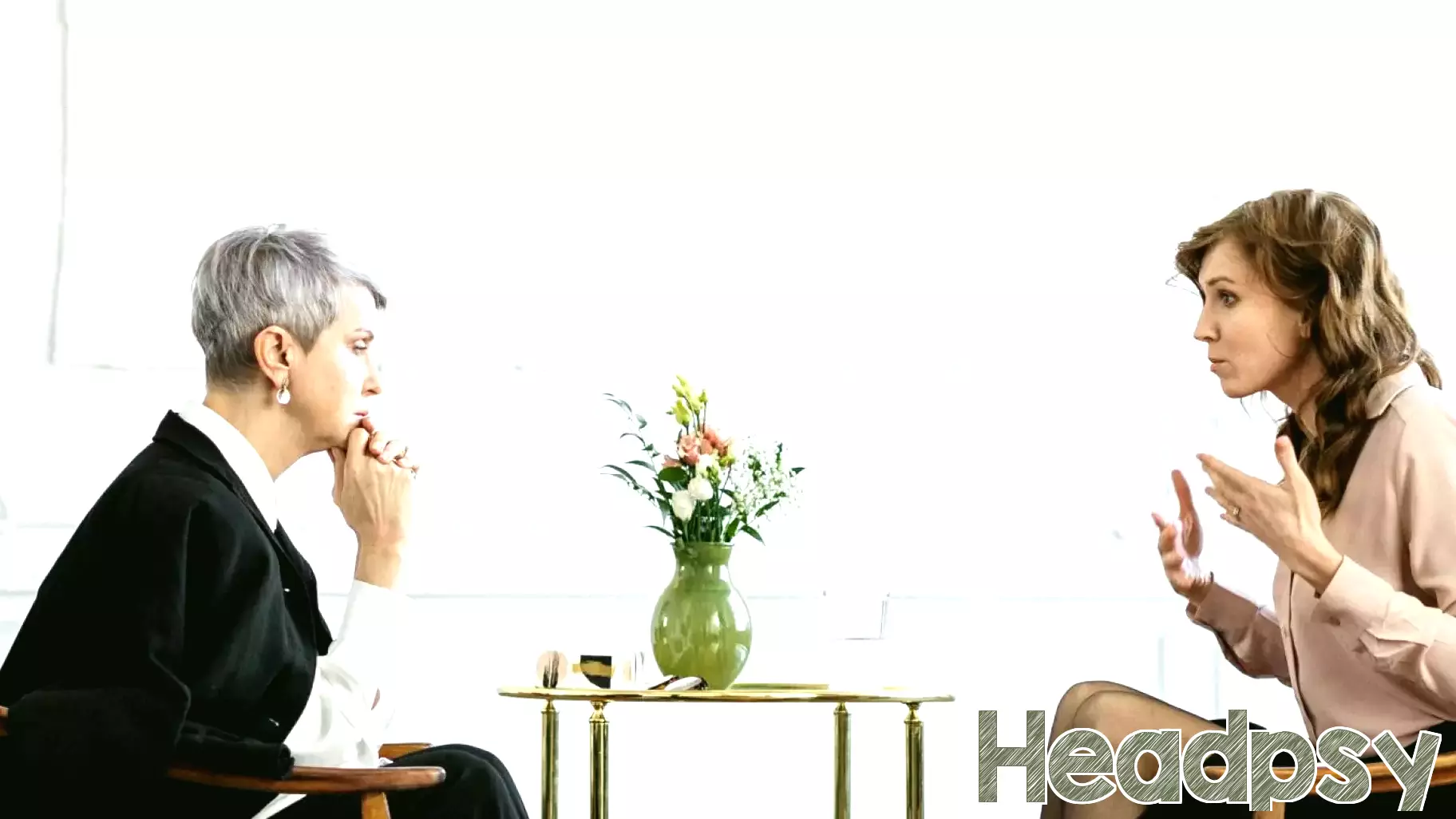
Artificial intelligence therapy is gaining traction as a convenient alternative for mental health support, but it lacks a crucial element: the human connection. While AI can analyze data and provide responses based on algorithms, it cannot replicate the fundamental human need to be understood and valued by another person.
Therapists offer more than just advice; they hold our stories, acknowledge our struggles, and provide genuine boundaries that foster a safe space for healing. The lived experiences of a human therapist allow them to empathize with clients in ways that AI simply cannot.
Moreover, the nuances of human emotion and the subtleties of interpersonal dynamics are often lost in AI interactions. Clients benefit from the warmth, understanding, and validation that come from sharing their thoughts and feelings with a real person. As mental health continues to be a priority, it is essential to recognize that while AI can supplement therapy, it cannot replace the irreplaceable value of human connection and understanding.
MORE NEWS
October 5, 2026 - 00:51
Psychedelic Drugs Advance Toward FDA Approval as Federal Support GrowsPsychedelic substances such as psilocybin and LSD are moving closer to federal approval, marking a significant shift in how regulators and researchers view these once-stigmatized compounds....

October 4, 2026 - 15:10
Psychology says children who talk to themselves while playing may be doing more than just thinking out loudChildren often talk to themselves while solving a puzzle, playing make-believe or working through a difficult task. This self-directed language, known as private speech, may be more than simple...
October 3, 2026 - 22:25
Personality Trait Beats Test Scores in Predicting West Point Leadership SuccessA new meta-analysis of West Point cadets suggests that personality matters more than raw intelligence when it comes to leading troops. While standardized test scores remain a solid predictor of...
October 3, 2026 - 18:04
Study Finds the Human Brain May Function as Two Separate OrgansA recent study suggests that the human brain emerges from two separate organs, a discovery that may impact future treatments for neurodegenerative diseases and brain disorders. Researchers...