The Impact of Peak-End Rule on Your Love Life
January 16, 2025 - 17:31
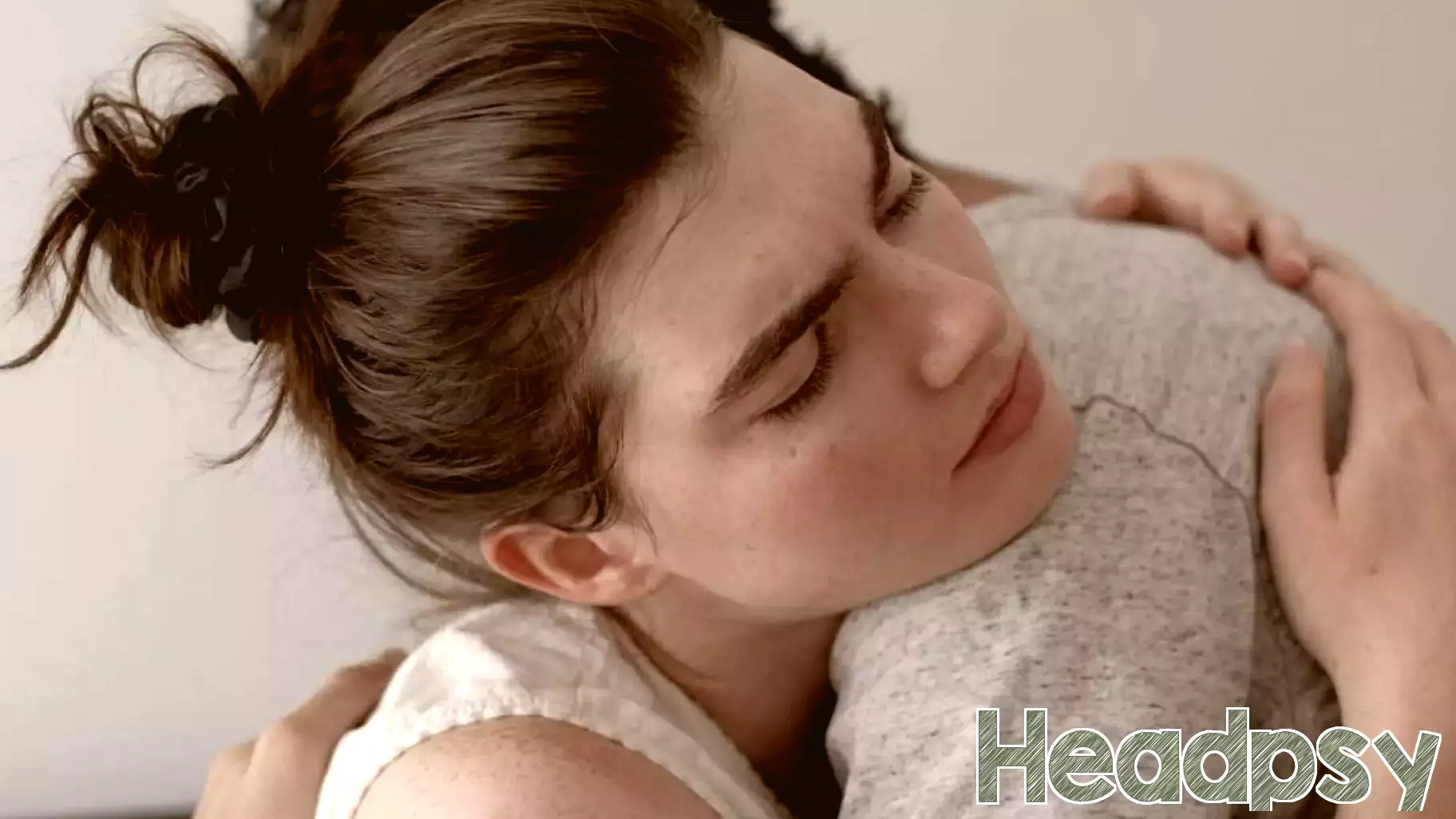
Happy endings are divine, but bad ones are hard to ignore. This can affect your love life in profound ways. The Peak-End Rule suggests that people judge experiences largely based on how they felt at their peak moments and at the end, rather than the experience as a whole. In relationships, this can lead to distorted perceptions and memories that may not accurately reflect the entirety of the relationship.
For instance, if a couple experiences a particularly joyful vacation but ends it with a significant argument, the negative conclusion may overshadow the positive memories. This could lead one partner to question the overall quality of the relationship, despite numerous happy moments shared.
Additionally, the rule can cause individuals to focus excessively on the highs and lows, potentially leading to unrealistic expectations. When the peak moments become the benchmark for satisfaction, even minor conflicts may feel disproportionately significant. Ultimately, understanding this psychological phenomenon can help couples navigate their relationships more effectively, promoting a balanced view of their shared experiences.
MORE NEWS

October 5, 2026 - 00:51
Psychedelic Drugs Advance Toward FDA Approval as Federal Support GrowsPsychedelic substances such as psilocybin and LSD are moving closer to federal approval, marking a significant shift in how regulators and researchers view these once-stigmatized compounds....

October 4, 2026 - 15:10
Psychology says children who talk to themselves while playing may be doing more than just thinking out loudChildren often talk to themselves while solving a puzzle, playing make-believe or working through a difficult task. This self-directed language, known as private speech, may be more than simple...

October 3, 2026 - 22:25
Personality Trait Beats Test Scores in Predicting West Point Leadership SuccessA new meta-analysis of West Point cadets suggests that personality matters more than raw intelligence when it comes to leading troops. While standardized test scores remain a solid predictor of...
October 3, 2026 - 18:04
Study Finds the Human Brain May Function as Two Separate OrgansA recent study suggests that the human brain emerges from two separate organs, a discovery that may impact future treatments for neurodegenerative diseases and brain disorders. Researchers...