The Impact of Missing Empathy: Can Altruism Shape Future Generations?
August 13, 2025 - 02:21
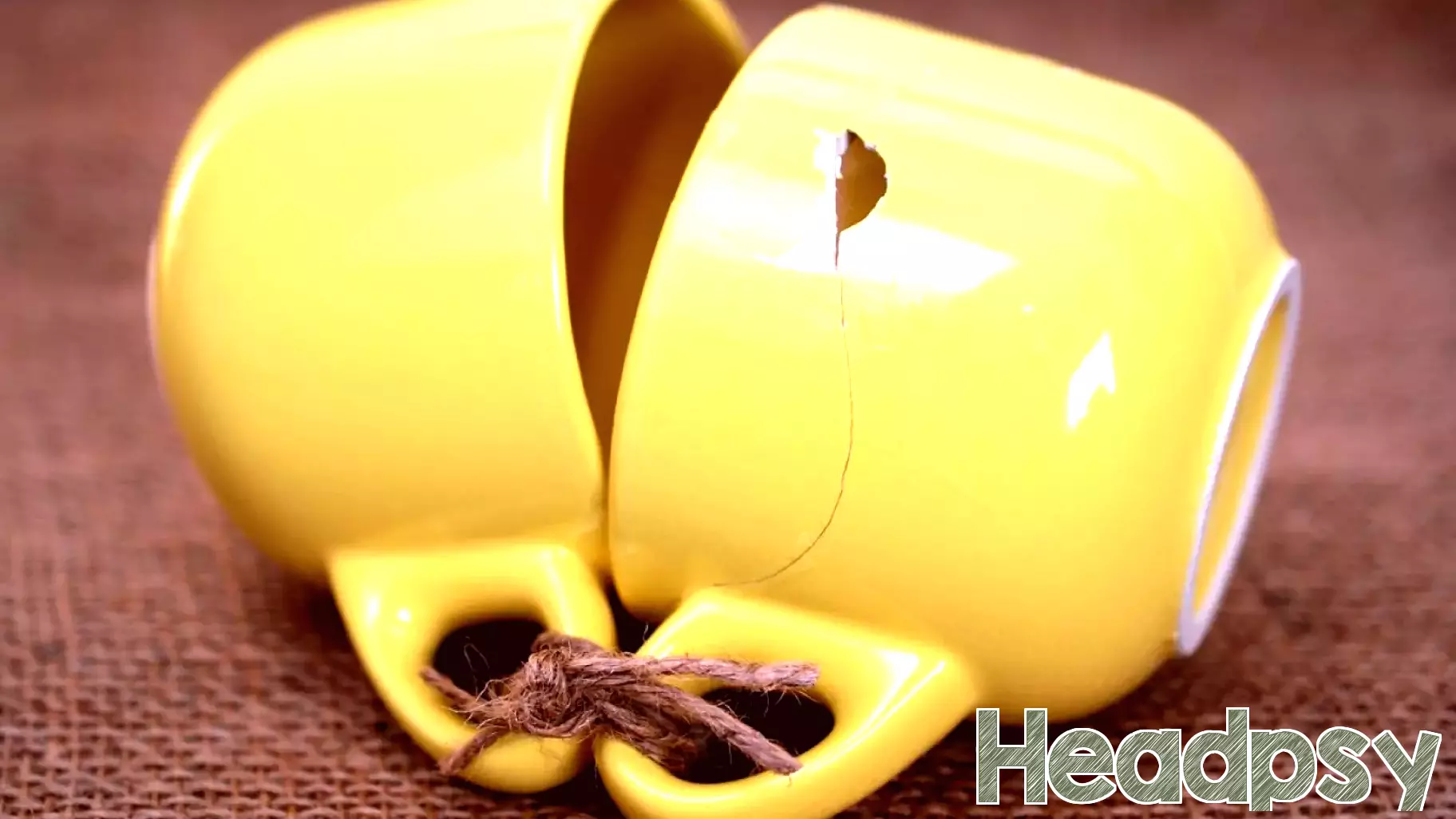
Empathy plays a crucial role in both personal relationships and professional environments. When empathy is absent, individuals may feel isolated, misunderstood, and alienated. This lack of connection can lead to increased conflict and decreased collaboration, making it challenging to foster a supportive community or workplace culture.
On the other hand, a single act of altruism can have profound effects on individuals and communities. When one person demonstrates kindness, it can inspire others to do the same, creating a ripple effect that fosters a culture of compassion and understanding. This cycle of giving can transform relationships and encourage a sense of belonging, ultimately impacting future generations.
By prioritizing empathy and altruism, we can create environments that nurture emotional intelligence and resilience. In a world that often feels divided, embracing these values can lead to stronger connections and a more harmonious society, proving that even small acts of kindness can leave a lasting legacy.
MORE NEWS

October 5, 2026 - 00:51
Psychedelic Drugs Advance Toward FDA Approval as Federal Support GrowsPsychedelic substances such as psilocybin and LSD are moving closer to federal approval, marking a significant shift in how regulators and researchers view these once-stigmatized compounds....

October 4, 2026 - 15:10
Psychology says children who talk to themselves while playing may be doing more than just thinking out loudChildren often talk to themselves while solving a puzzle, playing make-believe or working through a difficult task. This self-directed language, known as private speech, may be more than simple...

October 3, 2026 - 22:25
Personality Trait Beats Test Scores in Predicting West Point Leadership SuccessA new meta-analysis of West Point cadets suggests that personality matters more than raw intelligence when it comes to leading troops. While standardized test scores remain a solid predictor of...
October 3, 2026 - 18:04
Study Finds the Human Brain May Function as Two Separate OrgansA recent study suggests that the human brain emerges from two separate organs, a discovery that may impact future treatments for neurodegenerative diseases and brain disorders. Researchers...