The Illusion of Artificial Praise: Understanding Character Beyond Performance
August 18, 2025 - 22:03
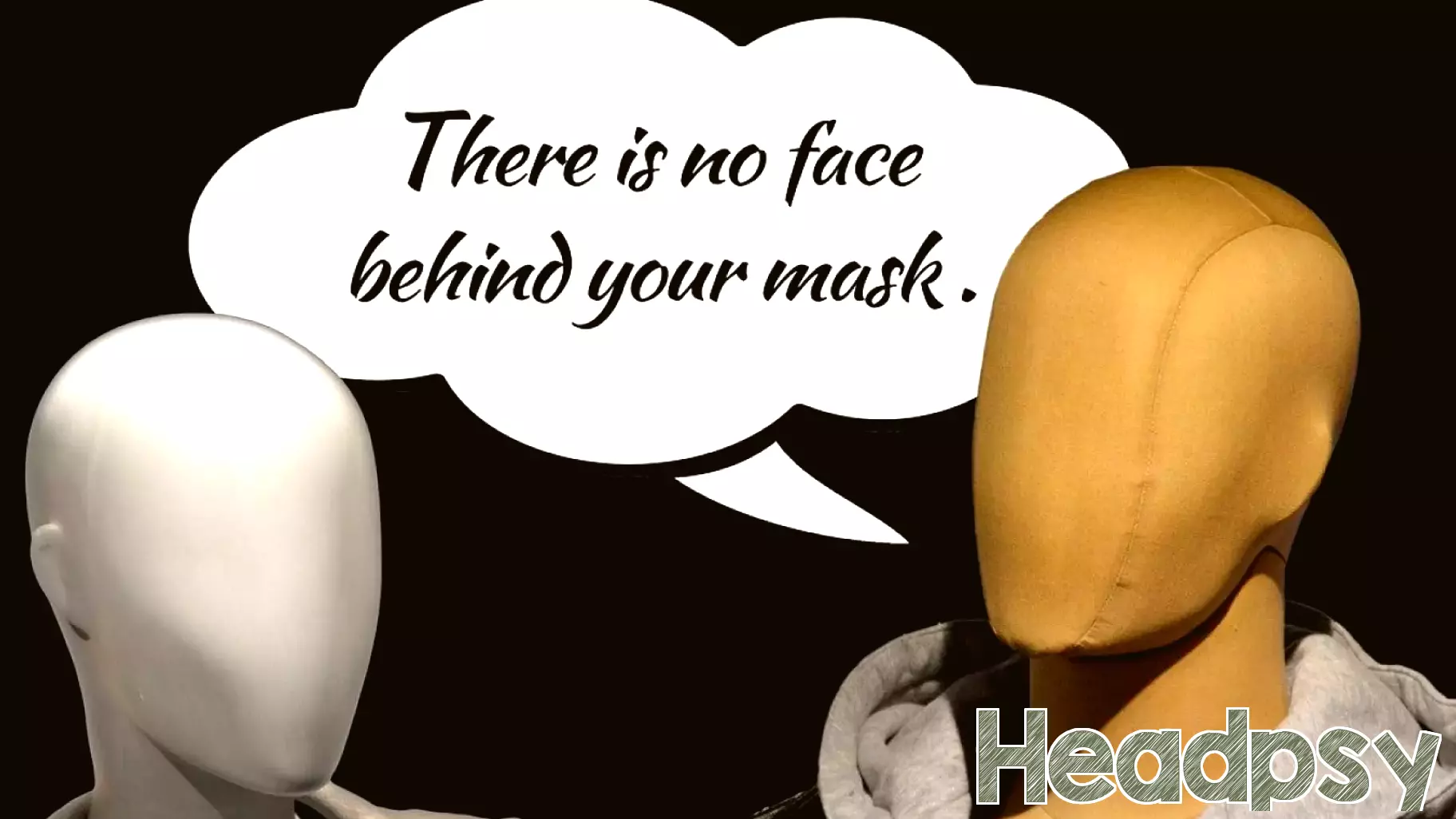
In an age where artificial intelligence can mimic human interaction, the distinction between performance and true character has never been more critical. While AI systems like ChatGPT can generate flattering responses, such as declaring someone "brilliant," these affirmations are merely the result of programmed algorithms and not a reflection of genuine character.
True character encompasses qualities such as integrity, empathy, and resilience—traits that machines cannot authentically possess. The ability to perform well in specific tasks does not equate to the depth of one's character. In fact, relying on AI for validation can lead to a superficial understanding of self-worth, overshadowing the importance of personal growth and emotional intelligence.
As society becomes increasingly reliant on technology, it is essential to recognize the limitations of AI and to prioritize the cultivation of authentic human connections and values. Ultimately, character is built through lived experiences and interactions, not through programmed responses.
MORE NEWS
October 5, 2026 - 00:51
Psychedelic Drugs Advance Toward FDA Approval as Federal Support GrowsPsychedelic substances such as psilocybin and LSD are moving closer to federal approval, marking a significant shift in how regulators and researchers view these once-stigmatized compounds....

October 4, 2026 - 15:10
Psychology says children who talk to themselves while playing may be doing more than just thinking out loudChildren often talk to themselves while solving a puzzle, playing make-believe or working through a difficult task. This self-directed language, known as private speech, may be more than simple...

October 3, 2026 - 22:25
Personality Trait Beats Test Scores in Predicting West Point Leadership SuccessA new meta-analysis of West Point cadets suggests that personality matters more than raw intelligence when it comes to leading troops. While standardized test scores remain a solid predictor of...
October 3, 2026 - 18:04
Study Finds the Human Brain May Function as Two Separate OrgansA recent study suggests that the human brain emerges from two separate organs, a discovery that may impact future treatments for neurodegenerative diseases and brain disorders. Researchers...