The Fragrant Legacy of Ancient Sculptures
April 1, 2025 - 20:59
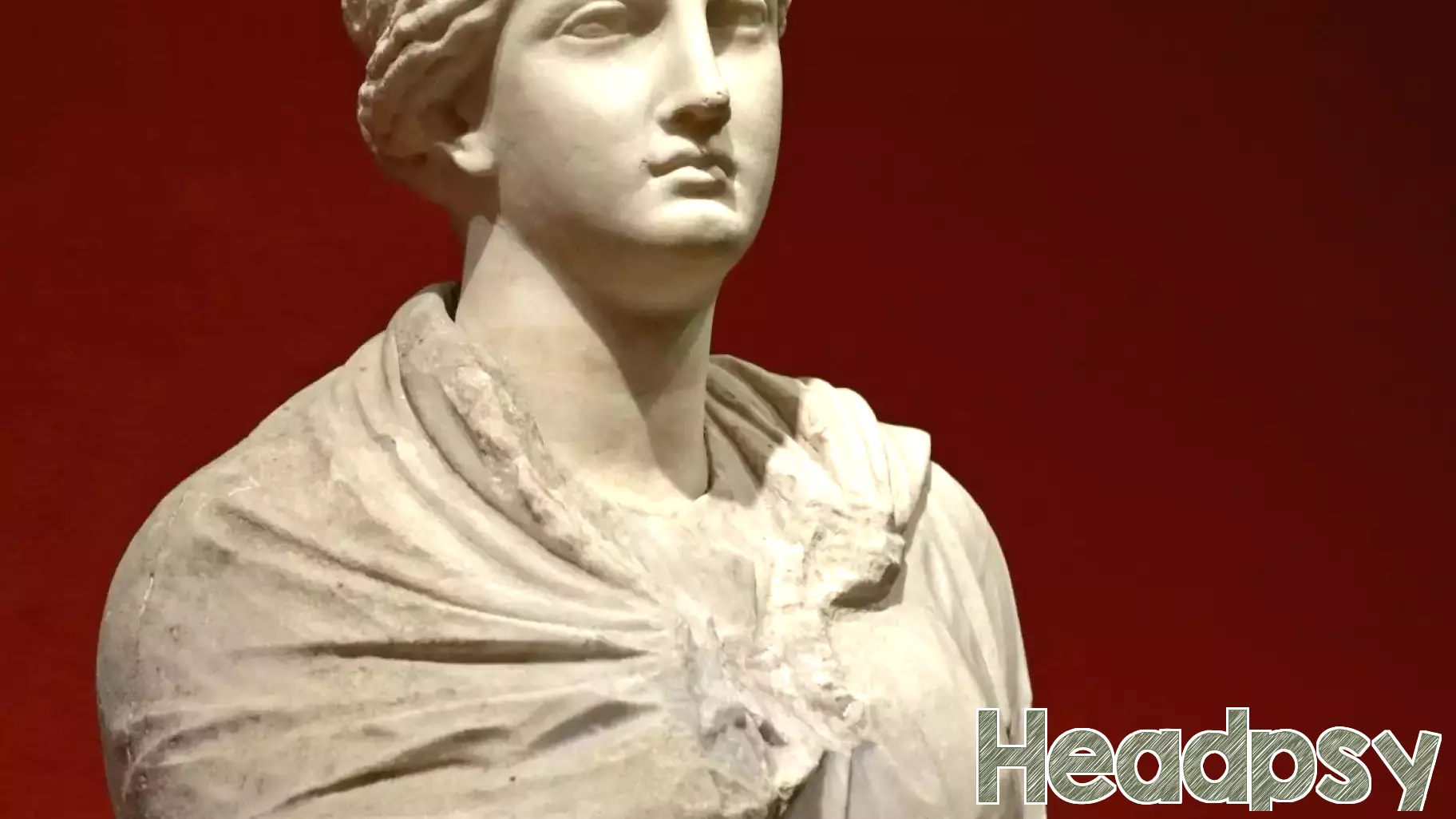
Recent studies have revealed that ancient Greek and Roman sculptures were not only visual masterpieces but also olfactory experiences. These artworks, often revered for their intricate details and lifelike representations, were originally enhanced by the application of various perfumes and fragrant oils. This practice suggests that the ancient cultures valued a multimodal approach to aesthetics, where sight and smell combined to create a richer sensory experience.
Archaeologists have discovered residues of aromatic substances on the surfaces of these sculptures, indicating that they were intentionally scented. This practice likely served multiple purposes, from enhancing the beauty of the sculptures to creating an immersive atmosphere in public spaces and temples. The use of fragrance in conjunction with visual art underscores a sophisticated understanding of how different senses can interact to evoke emotions and convey meaning.
The findings challenge modern perceptions of ancient art, inviting us to reconsider how we engage with these historical works. As we explore the past, it becomes clear that the ancients embraced a holistic approach to aesthetics, blending the visual with the aromatic to enrich their cultural expressions.
MORE NEWS

October 5, 2026 - 00:51
Psychedelic Drugs Advance Toward FDA Approval as Federal Support GrowsPsychedelic substances such as psilocybin and LSD are moving closer to federal approval, marking a significant shift in how regulators and researchers view these once-stigmatized compounds....

October 4, 2026 - 15:10
Psychology says children who talk to themselves while playing may be doing more than just thinking out loudChildren often talk to themselves while solving a puzzle, playing make-believe or working through a difficult task. This self-directed language, known as private speech, may be more than simple...

October 3, 2026 - 22:25
Personality Trait Beats Test Scores in Predicting West Point Leadership SuccessA new meta-analysis of West Point cadets suggests that personality matters more than raw intelligence when it comes to leading troops. While standardized test scores remain a solid predictor of...
October 3, 2026 - 18:04
Study Finds the Human Brain May Function as Two Separate OrgansA recent study suggests that the human brain emerges from two separate organs, a discovery that may impact future treatments for neurodegenerative diseases and brain disorders. Researchers...