The Fracturing of Reality: When Meaning, Value, Knowledge, and Emotion Collide
November 3, 2025 - 21:00
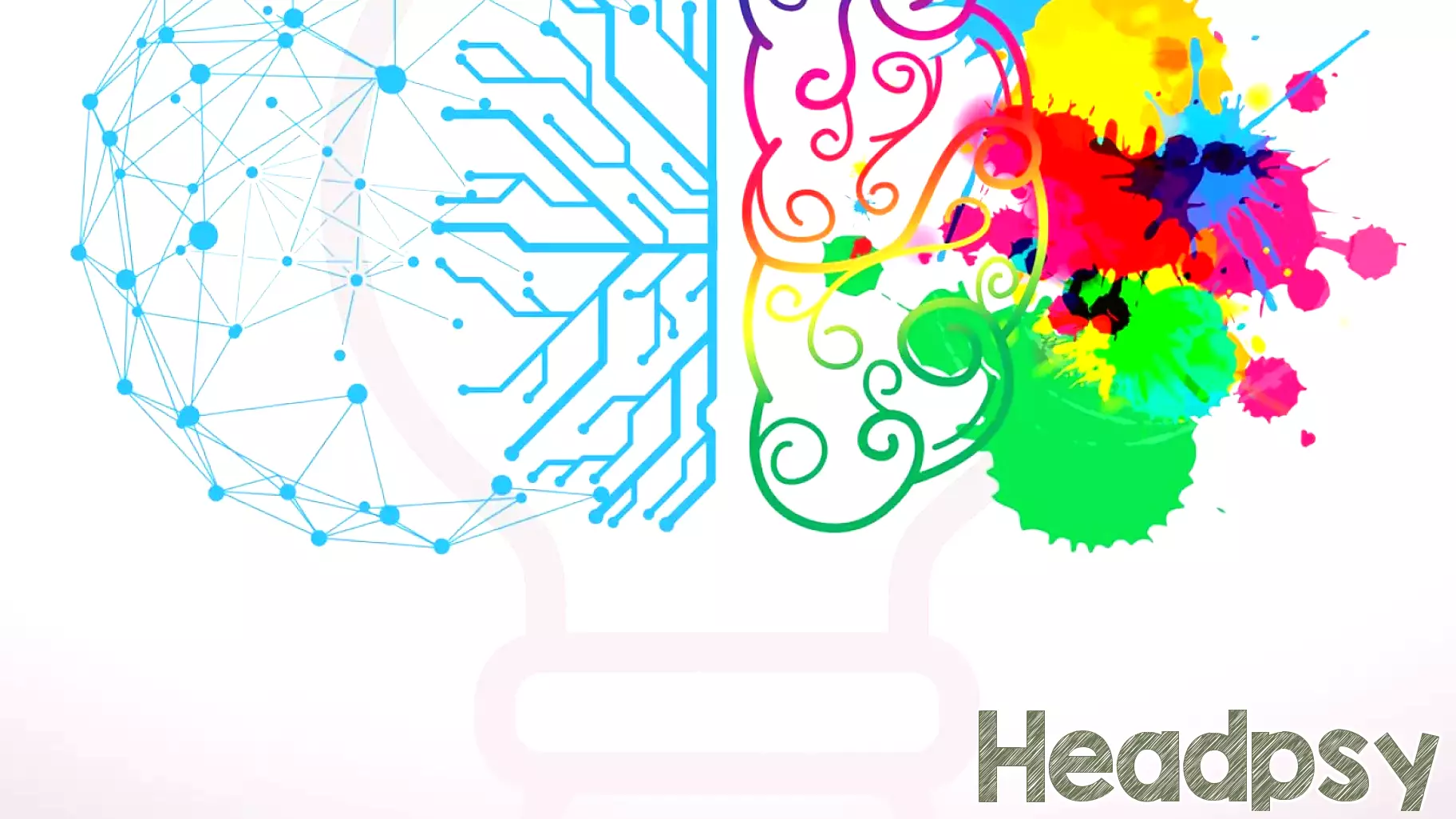
In an era increasingly dominated by artificial intelligence, the fundamental pillars of our understanding—meaning, value, knowledge, and emotion—are undergoing significant transformation. As these elements shift simultaneously, our perception of reality begins to fracture, leading to profound implications for society.
Artificial intelligence has the capacity to generate content and make decisions, often blurring the lines between human and machine-generated outputs. This raises critical questions about the authenticity of knowledge and the value we place on human experiences. As AI systems become more sophisticated, they challenge our traditional notions of meaning, pushing us to reconsider what it means to know something or to feel a certain way.
Moreover, the emotional responses elicited by AI-generated content can be both compelling and disconcerting. As we navigate this new landscape, it becomes imperative to reflect on how these changes affect our relationships, our understanding of truth, and ultimately, our humanity. The intersection of technology and human experience is reshaping our world in ways we are only beginning to comprehend.
MORE NEWS

October 5, 2026 - 00:51
Psychedelic Drugs Advance Toward FDA Approval as Federal Support GrowsPsychedelic substances such as psilocybin and LSD are moving closer to federal approval, marking a significant shift in how regulators and researchers view these once-stigmatized compounds....

October 4, 2026 - 15:10
Psychology says children who talk to themselves while playing may be doing more than just thinking out loudChildren often talk to themselves while solving a puzzle, playing make-believe or working through a difficult task. This self-directed language, known as private speech, may be more than simple...

October 3, 2026 - 22:25
Personality Trait Beats Test Scores in Predicting West Point Leadership SuccessA new meta-analysis of West Point cadets suggests that personality matters more than raw intelligence when it comes to leading troops. While standardized test scores remain a solid predictor of...
October 3, 2026 - 18:04
Study Finds the Human Brain May Function as Two Separate OrgansA recent study suggests that the human brain emerges from two separate organs, a discovery that may impact future treatments for neurodegenerative diseases and brain disorders. Researchers...