The Challenge of Living in an AI-Driven World
November 10, 2025 - 03:16
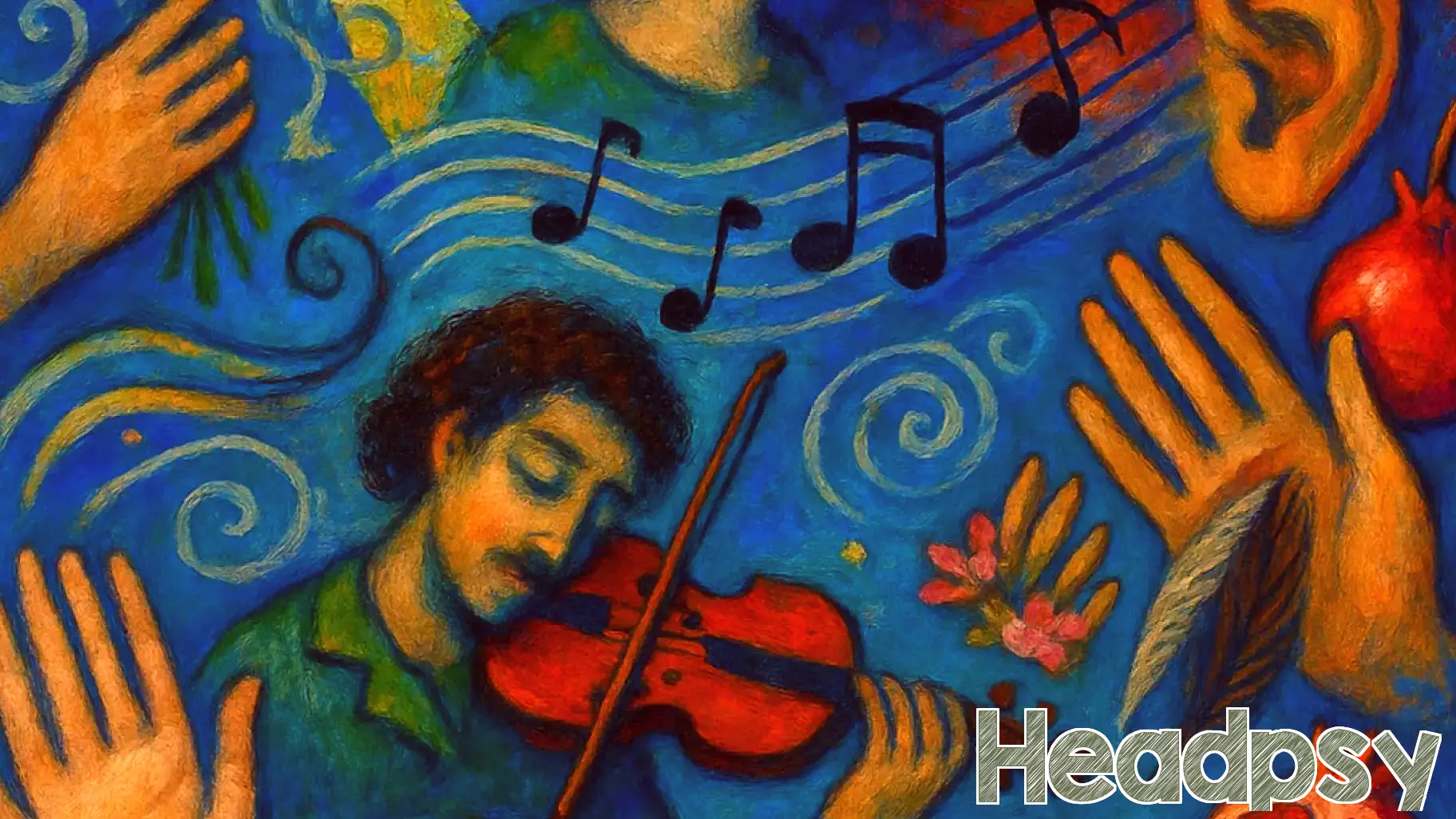
As artificial intelligence continues to evolve, we find ourselves facing an unprecedented reality where machines can replicate human senses and actions. Recent advancements have enabled AI to see, hear, talk, taste, and even act in ways that closely mimic human behavior. This rapid development raises profound questions about our preparedness to coexist with such technology.
The ability of AI to engage in activities traditionally reserved for humans challenges our understanding of identity and existence. While these innovations promise efficiency and convenience, they also evoke concerns about the loss of authenticity in human experiences. Can we truly accept a world where our emotions, tastes, and interactions can be simulated by a machine?
As we navigate this complex landscape, society must grapple with ethical implications and the potential consequences of integrating AI into our daily lives. The conversation surrounding AI's role in our future is more critical than ever, as we strive to find a balance between embracing technological advancements and preserving the essence of what it means to be human.
MORE NEWS

October 5, 2026 - 00:51
Psychedelic Drugs Advance Toward FDA Approval as Federal Support GrowsPsychedelic substances such as psilocybin and LSD are moving closer to federal approval, marking a significant shift in how regulators and researchers view these once-stigmatized compounds....

October 4, 2026 - 15:10
Psychology says children who talk to themselves while playing may be doing more than just thinking out loudChildren often talk to themselves while solving a puzzle, playing make-believe or working through a difficult task. This self-directed language, known as private speech, may be more than simple...

October 3, 2026 - 22:25
Personality Trait Beats Test Scores in Predicting West Point Leadership SuccessA new meta-analysis of West Point cadets suggests that personality matters more than raw intelligence when it comes to leading troops. While standardized test scores remain a solid predictor of...
October 3, 2026 - 18:04
Study Finds the Human Brain May Function as Two Separate OrgansA recent study suggests that the human brain emerges from two separate organs, a discovery that may impact future treatments for neurodegenerative diseases and brain disorders. Researchers...