Study Reveals Link Between Smartphone Distraction and Physiological Reactivity
April 8, 2025 - 17:23
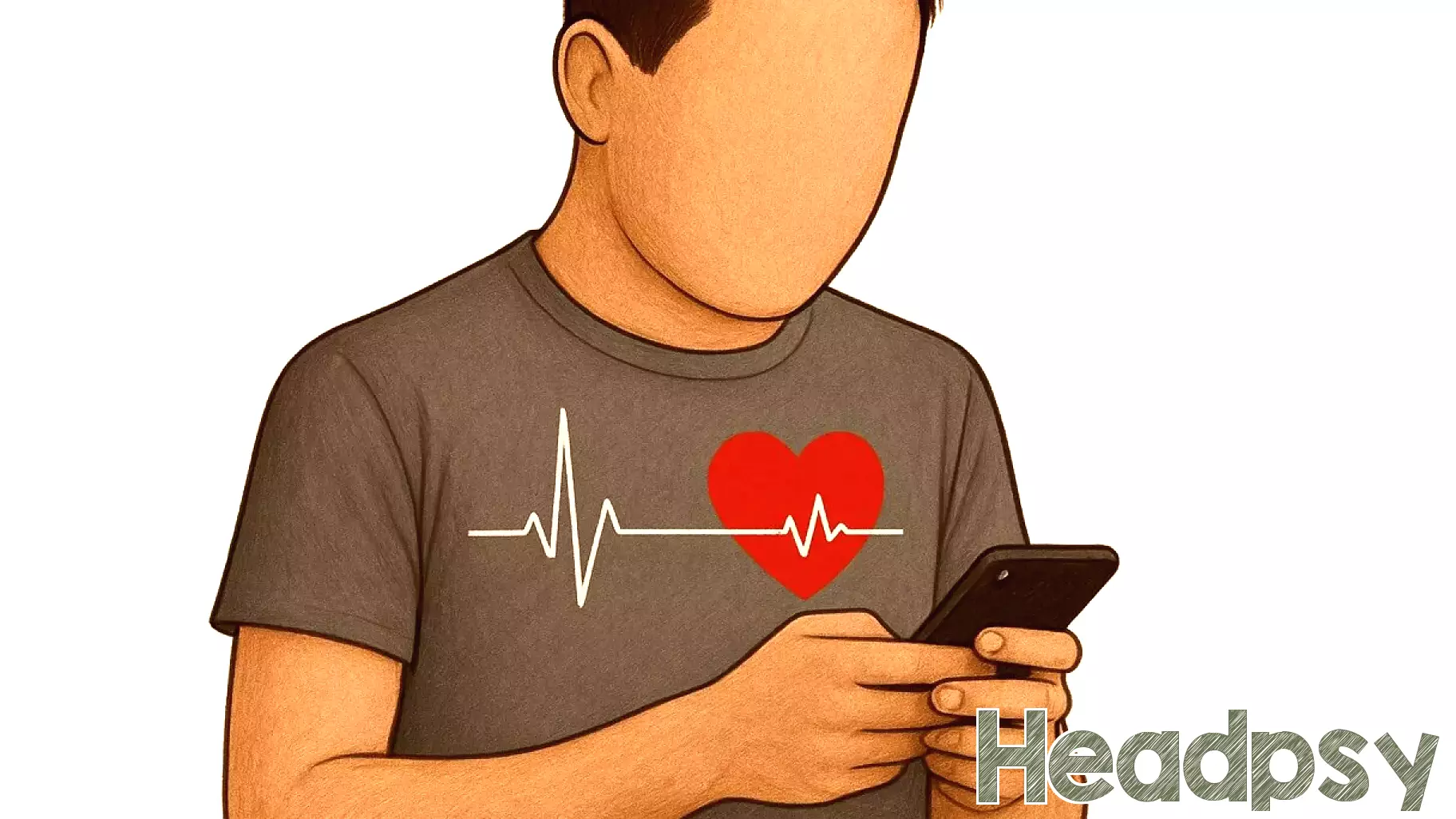
Over the past few decades, various studies have raised important questions about the psychological implications of excessive smartphone use and other portable devices. Findings suggest that individuals who are easily distracted by their smartphones exhibit higher levels of physiological reactivity, indicating a heightened stress response. This reactivity can manifest in various ways, including increased heart rate and elevated cortisol levels, which are commonly associated with stress.
Moreover, the research indicates that these individuals may be less attuned to their bodily sensations, potentially leading to a disconnect between their mental state and physical well-being. This disconnection can have significant consequences, as being in tune with one’s body is essential for recognizing stress and engaging in self-care practices. As smartphone notifications and social media interactions continue to dominate daily life, understanding the impact of these distractions on our physiological and psychological health becomes increasingly critical. The findings serve as a reminder of the importance of mindfulness and the need to cultivate a healthier relationship with technology.
MORE NEWS

October 5, 2026 - 00:51
Psychedelic Drugs Advance Toward FDA Approval as Federal Support GrowsPsychedelic substances such as psilocybin and LSD are moving closer to federal approval, marking a significant shift in how regulators and researchers view these once-stigmatized compounds....

October 4, 2026 - 15:10
Psychology says children who talk to themselves while playing may be doing more than just thinking out loudChildren often talk to themselves while solving a puzzle, playing make-believe or working through a difficult task. This self-directed language, known as private speech, may be more than simple...

October 3, 2026 - 22:25
Personality Trait Beats Test Scores in Predicting West Point Leadership SuccessA new meta-analysis of West Point cadets suggests that personality matters more than raw intelligence when it comes to leading troops. While standardized test scores remain a solid predictor of...
October 3, 2026 - 18:04
Study Finds the Human Brain May Function as Two Separate OrgansA recent study suggests that the human brain emerges from two separate organs, a discovery that may impact future treatments for neurodegenerative diseases and brain disorders. Researchers...