How Long Should You Wait to Text After a Date?
January 23, 2026 - 18:51
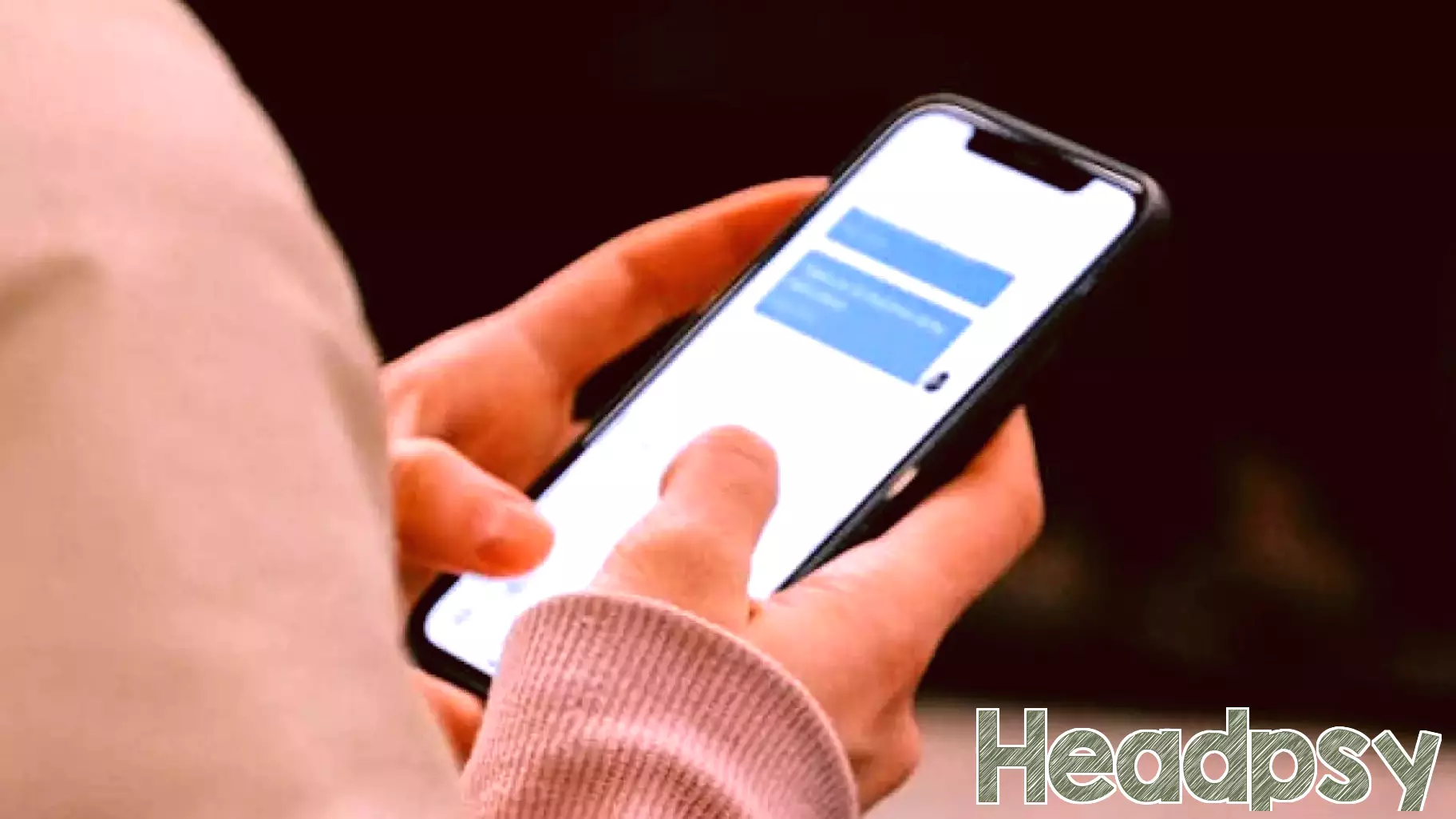
The age-old dating advice to wait three days before contacting someone after a date is being challenged. New perspectives suggest this arbitrary rule may be counterproductive, potentially stalling genuine connection and creating unnecessary anxiety.
Experts now point to a more effective and straightforward approach: timeliness with authenticity. The emerging consensus identifies a 24-hour window as a strategic sweet spot for reaching out. Texting the next day strikes a balance, showing you are interested and attentive without appearing overly eager or, conversely, disinterested. This timeframe keeps the momentum of the date alive while allowing both parties a moment to reflect.
The content of the message holds more weight than its timing. A specific, thoughtful text that references a shared moment or conversation from the date is significantly more impactful than a generic "had fun" message. It demonstrates genuine engagement and personal attention.
Ultimately, the goal is to foster clear communication rather than to play games. While immediate post-date texting can sometimes be overwhelming, delaying communication for days often sends a message of lukewarm interest. The healthiest strategy is to be considerate, be yourself, and express your interest at a pace that feels natural, typically within a day of your meeting.
MORE NEWS

October 23, 2026 - 02:27
Woodcut reframes true crime through psychology and motiveWoodcut Media, the production company behind World`s Most Evil Killers, is changing how it approaches true-crime storytelling by placing greater emphasis on psychology and motive rather than shock...

October 22, 2026 - 00:43
Older adults tell the story of their lives differently, and it may not be a sign of decline, new psychology study suggestsA new psychology study suggests that older adults tell the story of their lives differently from younger adults, and that this difference may not signal mental decline. Researchers found that older...
October 21, 2026 - 01:40
Why Festival Prices Keep Climbing and Why We Keep PayingIf you went to a music festival this summer, whether it was Osheaga, Coachella, or Lollapalooza, you probably noticed that everything cost more. The ticket itself was likely higher than last year....
October 20, 2026 - 01:45
Utah Tech to Launch Clinical Psychology and Counseling Master's ProgramUtah Tech University has received approval to offer a new master`s program in counseling and clinical psychology, with the first cohort set to begin in fall 2027. The announcement, made Tuesday,...