Are You Raising a Boy Who Doesn’t Like Sports?
July 13, 2026 - 03:22
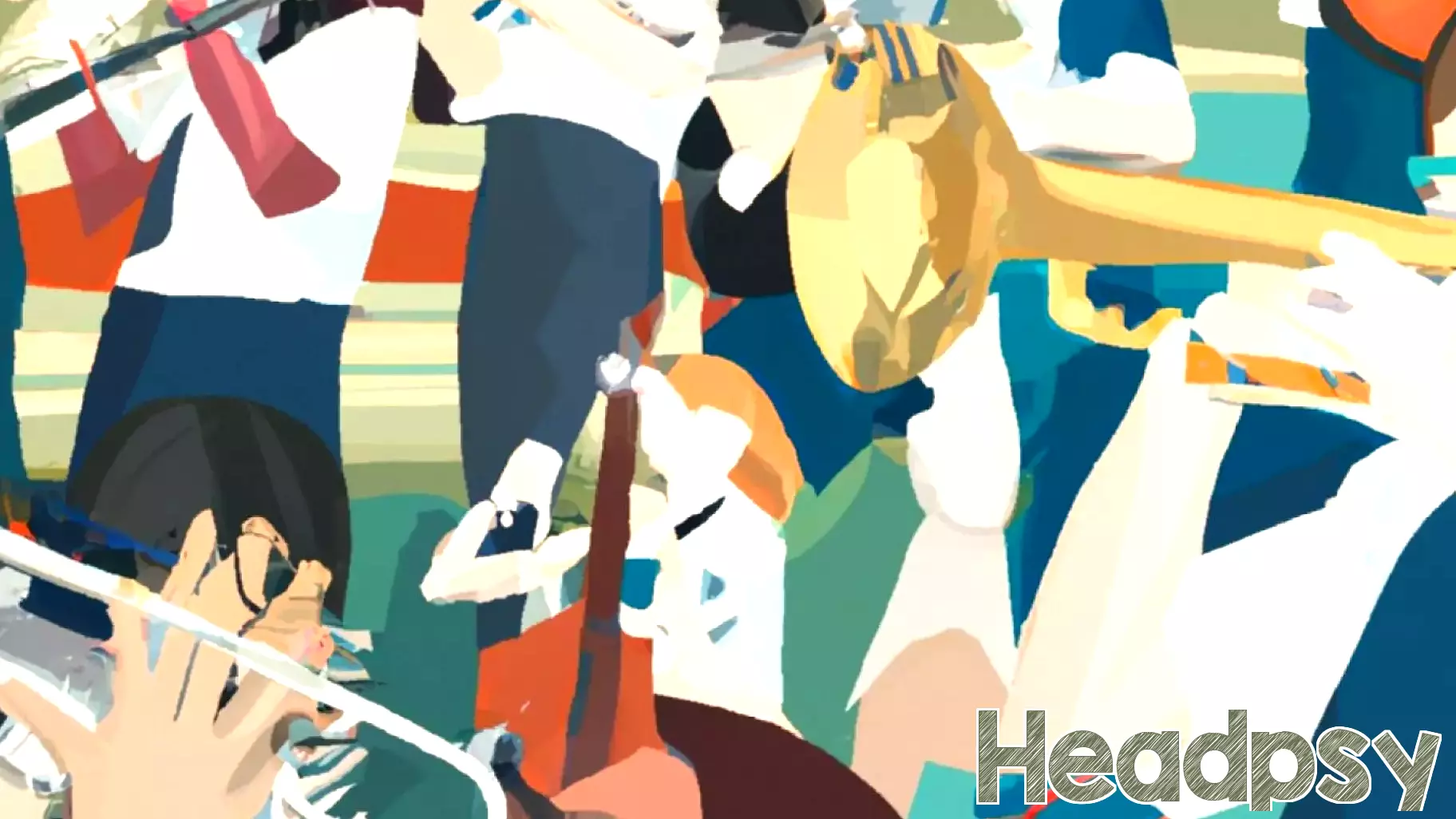
For generations, the image of a successful boy has often been tied to athletic prowess. The kid who catches the winning pass, runs the fastest lap, or hits the hardest home run tends to command a certain kind of social respect. But what happens when your son would rather draw, read, or build with blocks than chase a ball? The reality is that boys who do not fit the athletic mold can face a unique set of challenges in a world that still prizes physical dominance.
Many parents worry that a lack of interest in sports will leave their son isolated or seen as "less than" by his peers. The locker room culture, the pickup games at recess, and the casual hierarchy built on who can throw the farthest can feel like a closed loop for a boy who prefers quiet activities. This pressure is not just social. It can also come from well-meaning family members who ask, "Did you get a goal today?" or from coaches who assume every boy wants to be on the field.
However, experts suggest that the real issue is not the boy's preference, but the narrow definition of what it means to be a boy. A child who avoids team sports might be developing deep skills in creativity, empathy, or focus. He might be a natural leader in a different context, like a robotics club or a theater group. The key for parents is to validate his interests without apology. Instead of pushing him toward a sport he dislikes, find activities that build confidence and connection. A hiking club, a martial arts class that emphasizes discipline over competition, or even a chess team can offer the same sense of belonging and achievement.
The larger question is about how we, as a society, value boyhood. If we can celebrate the quiet, thoughtful, or artistic boy as much as we celebrate the star athlete, we might raise a generation of men who are more comfortable with who they are. The goal is not to make every boy love sports. It is to make sure every boy knows he is enough, exactly as he is.
MORE NEWS

October 11, 2026 - 03:32
How Independent Political Identity Takes ShapeThe rise of independent political identities carries major consequences for how American democracy operates at its core. Voters who reject both major parties now represent a substantial and growing...
October 10, 2026 - 05:13
Loneliness Tied to Distress and Binge Watching in Parents of Emigrated ChildrenA study from the National Institute of Mental Health and Neurosciences has found that loneliness among parents whose children have emigrated is closely tied to psychological distress, difficulties...

October 9, 2026 - 18:58
Havana Syndrome: What We Know a Decade LaterMore than ten years have passed since US diplomats and intelligence officers in Havana, Cuba, began reporting a strange cluster of symptoms. The first cases appeared in late 2016. People described...
October 9, 2026 - 06:23
What Sunderland Can Learn From Elite Swimming PsychologySunderland`s season has shown how quickly momentum can shift in the Championship. One week the team looks unstoppable, the next it struggles to hold a lead. While tactics and fitness get most of...