Escape the Constraints of Your Own Perception
January 8, 2026 - 01:31
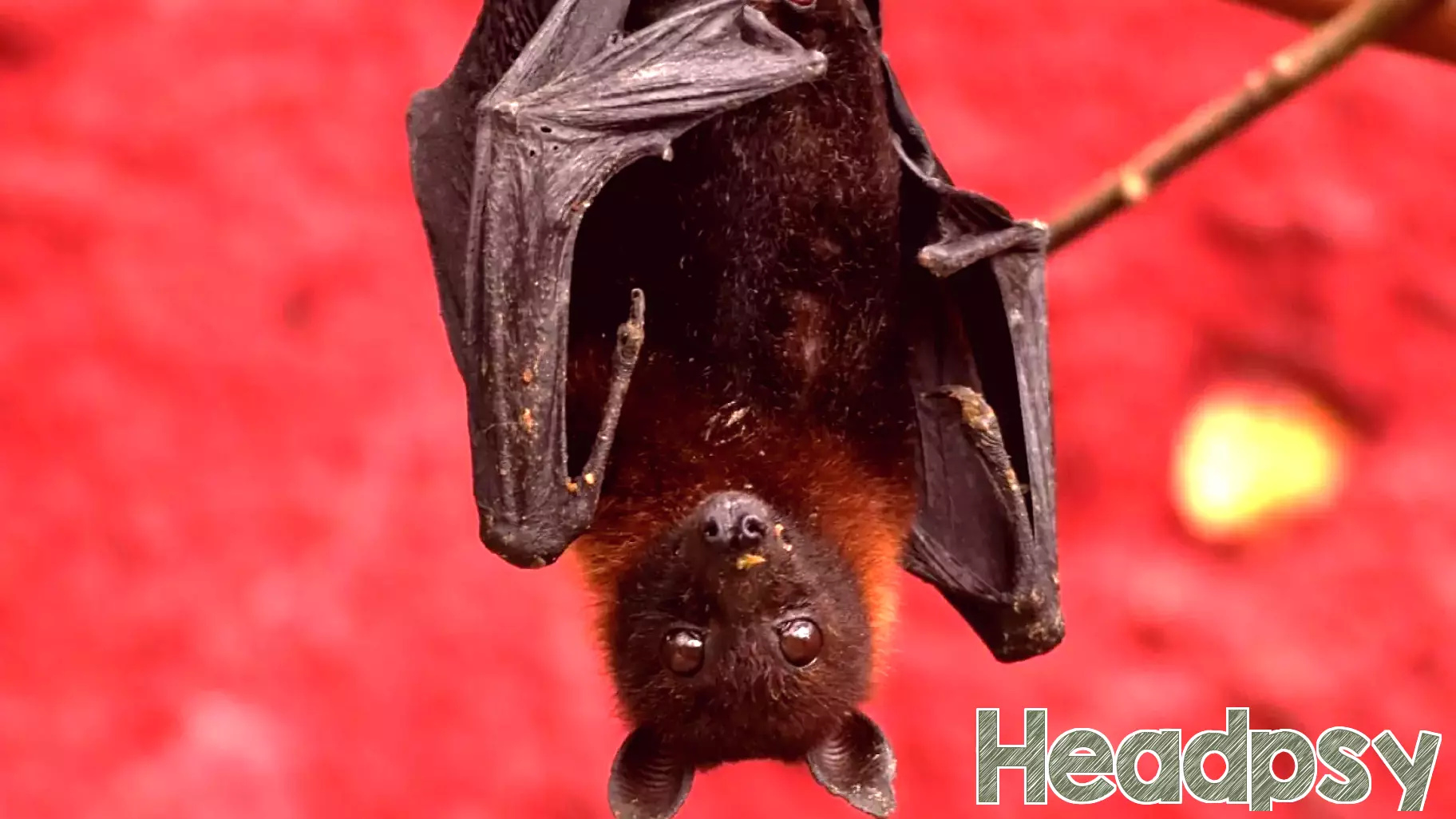
Every creature experiences the world through its own unique lens, shaped by its senses and biology. For bats, the environment is navigated through echolocation, creating a reality defined by sound waves. Dogs, on the other hand, perceive their surroundings primarily through scent, allowing them to detect subtleties in their environment that humans may overlook. But what about humans?
Human perception, or umwelt, is heavily influenced by our reliance on sight and sound, yet it is also filtered through our experiences, emotions, and cultural contexts. This multifaceted perception can sometimes create a "reality bubble," limiting our understanding of the world around us. To truly connect with others and the environment, it is essential to challenge these boundaries. Engaging with diverse perspectives and experiences can help us break free from our self-imposed limitations, expanding our awareness and enriching our lives. Embracing this broader view can foster empathy, creativity, and a deeper appreciation of the intricate tapestry of existence.
MORE NEWS
October 6, 2026 - 16:40
Why Some Older Hunters Keep Heading Into the WoodsMost of my contemporaries were once die-hard deer hunters. But many have found their enthusiasm cooling. Bad knees, early sunsets, and the simple comfort of a warm house have quietly pulled them...

October 5, 2026 - 18:14
The Mental Traits That Separate Academy Prospects From ProfessionalsTechnical skill and physical attributes often dominate conversations about youth football development. Yet the difference between academy players who sign professional contracts and those who fall...

October 5, 2026 - 00:51
Psychedelic Drugs Advance Toward FDA Approval as Federal Support GrowsPsychedelic substances such as psilocybin and LSD are moving closer to federal approval, marking a significant shift in how regulators and researchers view these once-stigmatized compounds....

October 4, 2026 - 15:10
Psychology says children who talk to themselves while playing may be doing more than just thinking out loudChildren often talk to themselves while solving a puzzle, playing make-believe or working through a difficult task. This self-directed language, known as private speech, may be more than simple...