Are You Threatening Me?
June 26, 2026 - 22:48
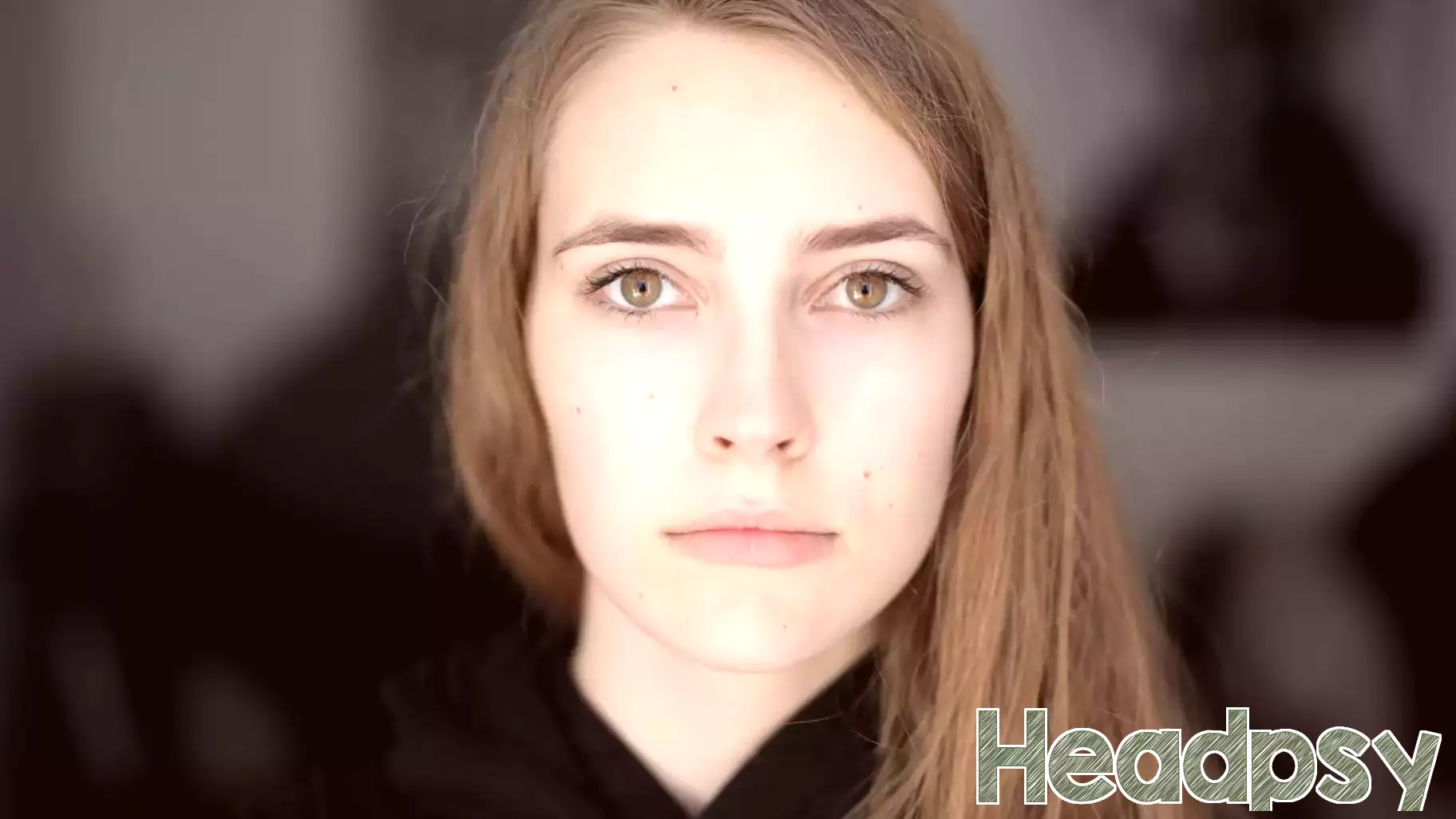
A new wave of research suggests that the human tendency to read emotions into neutral faces is causing more social friction than previously understood. While we often assume a resting face is a blank slate, studies in cognitive psychology indicate that observers frequently project anger, judgment, or coldness onto expressions that are simply at rest. This phenomenon, sometimes called "resting bitch face" in popular culture, has real consequences in workplaces, relationships, and casual interactions.
Dr. Elena Marchetti, a social neuroscientist, explains that the brain is wired to detect threats quickly. A face with lowered brows, relaxed lips, or a direct gaze can trigger an automatic defensive response in the viewer, even when the person is merely thinking or daydreaming. "We are constantly trying to infer intent," she notes. "But a face at rest is often just a face at rest. It is not sending a signal."
The problem is compounded by cultural expectations. In many social settings, a neutral expression is interpreted as disinterest or hostility, prompting others to ask "Are you okay?" or "What's wrong?" This can lead to misunderstandings and even conflict. The research suggests that we should consider the possibility that at least some occasions, faces do not convey currently useful information. Instead of assuming a mood, we might benefit from asking direct questions or simply accepting that a person's face is not a window into their inner state.
For those who feel their neutral face is frequently misread, experts recommend a conscious effort to soften the brow or offer a slight nod during conversations. But the larger takeaway is for the observer: pause before assigning an emotion. Not every silence or stillness is a threat. Sometimes, a face is just resting.
MORE NEWS

September 24, 2026 - 21:26
Why a Reverse Bucket List Can Boost Your Happiness TodayMost people treat happiness like a destination that sits somewhere in the future. They build bucket lists full of places to see and goals to chase, then wait years for the right moment to start. A...

September 24, 2026 - 06:04
Psychology explains why you check your ex’s profile even when you don't want them backThere is a strange little habit that can survive long after a relationship has ended. The relationship is over. There is no wish to reunite. Life has moved on, sometimes quite happily. Yet, almost...

September 23, 2026 - 23:48
Men with less modest self-views are more likely to feel victimized and support men's rights activismNew research points to a specific personality trait that helps explain why some men feel their gender is under attack. The study found that low trait modesty, meaning a tendency to view oneself as...

September 23, 2026 - 02:26
Why Interruptions Feel Like a Personal AttackUnexpected interruptions, even if brief, can severely disrupt an individual`s thought process and workflow. Studies demonstrate that even momentary distractions can lead to increased mistakes and...