2 ‘Gossipy’ Habits That Mean You’re Intelligent, By A Psychologist
August 24, 2026 - 17:38

New research is challenging the idea that gossiping is always a toxic or shallow behavior. A psychologist's recent findings suggest that certain types of gossip are actually linked to higher social intelligence, and that how you talk about others matters far more than whether you do it at all.
The first habit involves using gossip to learn social rules. Instead of simply mocking someone, intelligent gossipers pay close attention to stories about conflicts, breakups, or workplace drama. They use these stories to map out unspoken boundaries, understand group dynamics, and figure out who can be trusted. This is not idle chatter; it is a form of social learning that helps them navigate complex relationships without making the same mistakes themselves.
The second habit is more surprising: intelligent people often gossip to reinforce cooperation. They share positive or neutral information about others, highlighting acts of kindness, reliability, or fairness. This type of gossip builds a shared moral code within a group. By praising someone's good behavior, they encourage others to follow suit. Psychologists call this "prosocial gossip," and it serves a real purpose in maintaining group harmony.
The key difference, the research notes, is intent. Malicious gossip that aims to tear someone down for personal gain shows low emotional control. But gossip that seeks to understand, protect, or uplift others reflects a sharp mind that values social bonds. So the next time you find yourself discussing a friend's situation, ask yourself: are you learning, or just judging? The answer might say more about your intelligence than you think.
MORE NEWS

October 9, 2026 - 06:23
What Sunderland Can Learn From Elite Swimming PsychologySunderland`s season has shown how quickly momentum can shift in the Championship. One week the team looks unstoppable, the next it struggles to hold a lead. While tactics and fitness get most of...

October 8, 2026 - 19:48
Why Vacation Strangers Can Feel Like Instant FriendsMeeting someone on vacation and feeling an immediate bond is a common experience, and psychology offers clear reasons for it. Experts describe a phenomenon often called `strangers on a train,`...
October 8, 2026 - 12:28
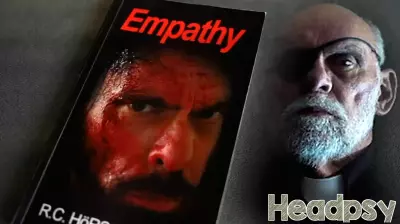
Forensic Psychologist Reviews R.C. Horsch Book for Clues in Missing Women InvestigationA forensic psychologist has examined a book written by R.C. Horsch, suggesting it may contain clues relevant to an ongoing investigation into missing women. Horsch has stated the work is a piece of...

October 7, 2026 - 21:29
Lack of Meaning Linked to Support for Political ViolencePeople who view the world as devoid of meaning are more likely to support political violence. A new study suggests that simple exercises to find everyday meaning could help reduce these violent...